


28/07/2026 18:20 - Politica
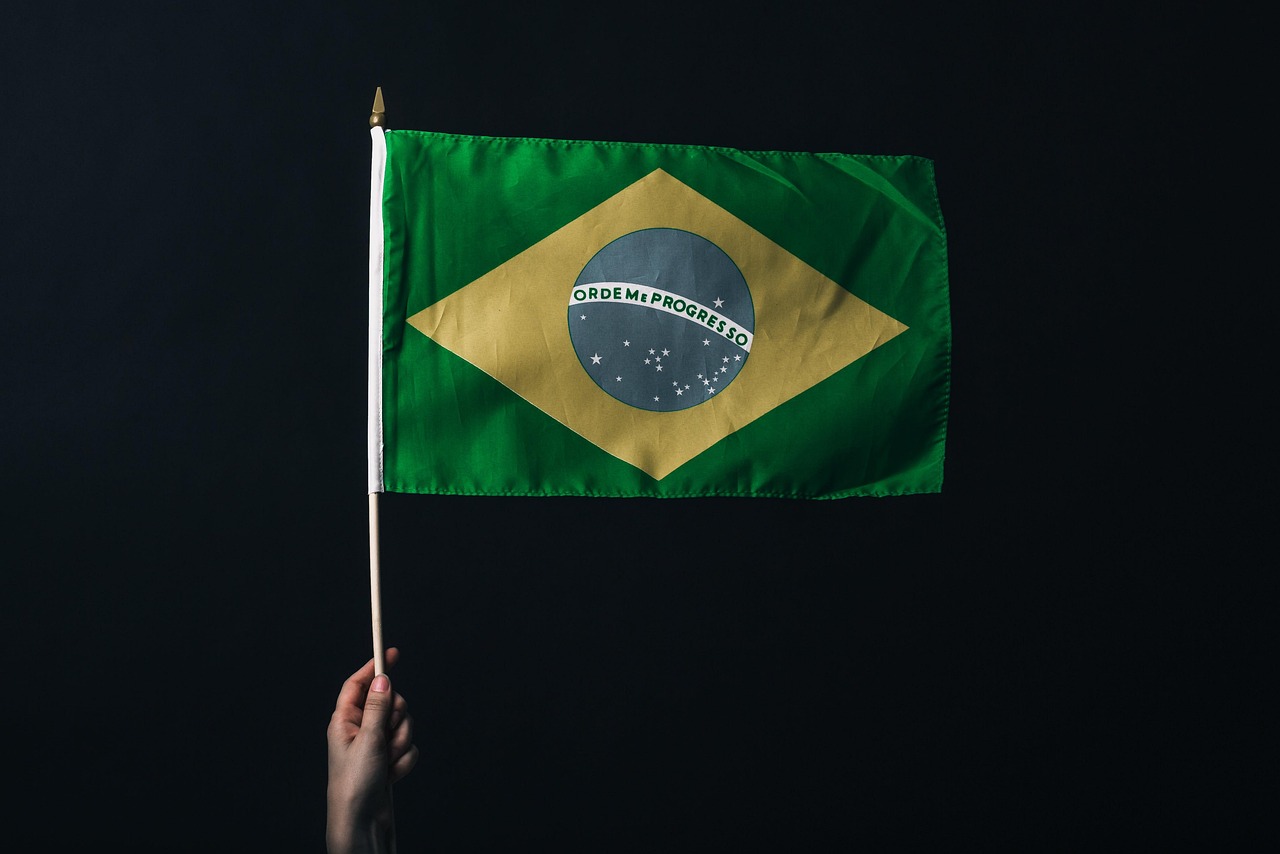
Tuesday, July 28, 2026. Argentina’s presidential spokesperson Adrián Ravier held a press conference at the Casa Rosada (the Argentine government house) to downplay the impact of President Javier Milei’s insults against his Brazilian counterpart, Luiz Inácio Lula da Silva. Ravier stated that diplomatic and commercial relations would not be affected, according to international agencies and local media.
Ravier, who did not offer a formal apology, said: “We do not believe this will impact the diplomatic side of the two countries, or at least from the Argentine side.” He added that the incident reflects “ideological and political differences” and stressed that Brazil remains a key trade partner for Argentina. The controversy erupted on Saturday, July 25, 2026, when Milei attended a rally of the Liberal Party in São Paulo supporting Flávio Bolsonaro (son of former President Jair Bolsonaro) and called Lula a “thief” and “convict”, also insulting Brazilian Supreme Court Justice Alexandre de Moraes.
The conflict escalated quickly. On July 27, 2026, Brazilian Foreign Minister Mauro Vieira summoned Argentine Ambassador Daniel Raimondi to convey the government’s repudiation. Lula responded with irony: “Who is that guy?” Brazil also recalled its ambassador to Buenos Aires, Julio Bitelli, for consultations.
According to La Nación, the Workers’ Party (PT) filed a complaint with Brazil’s electoral prosecutor, requesting an investigation into the legal nature of Milei’s trip and its financing. Sources at the Casa Rosada assured that the trip was fully funded by the Argentine government. The complaint also questions the awarding of the Order of Ipiranga to Milei by São Paulo Governor Tarcísio de Freitas hours before the party event.
During his speech and a subsequent interview, Milei accused Brazil, Mexico, and the U.S. Democratic Party of funding an “anti-Argentina campaign” on social media after the 2026 World Cup final. However, an analysis by Chequeado (a leading Argentine fact-checking organization) debunked these claims.
Milei based his statements on a report by Monitor Digital that analyzed 645 million social media posts. The study’s director, Diego Corbalán, clarified that the report only measured the volume of mentions (Brazil led with 22.1% due to its population size and football rivalry) but did not identify any orchestrated campaign. Consulting firms Inteligencia Analytica and Ad Hoc confirmed that while there was hostility on social media, it was organic and spontaneous, with no evidence of centralized coordination.
Despite the tension, the Argentine government trusts that the historic brotherhood and commercial ties between the two nations will prevail over political differences. Markets are watching with optimism as traditional diplomacy is expected to resume ahead of Brazil’s presidential elections in October 2026 and the strengthening of Mercosur (the Southern Common Market trade bloc). Infobae highlights that both countries remain each other’s main trading partners.

Alfredo S. Quiroga
