


23/07/2026 09:27 - Internacionales
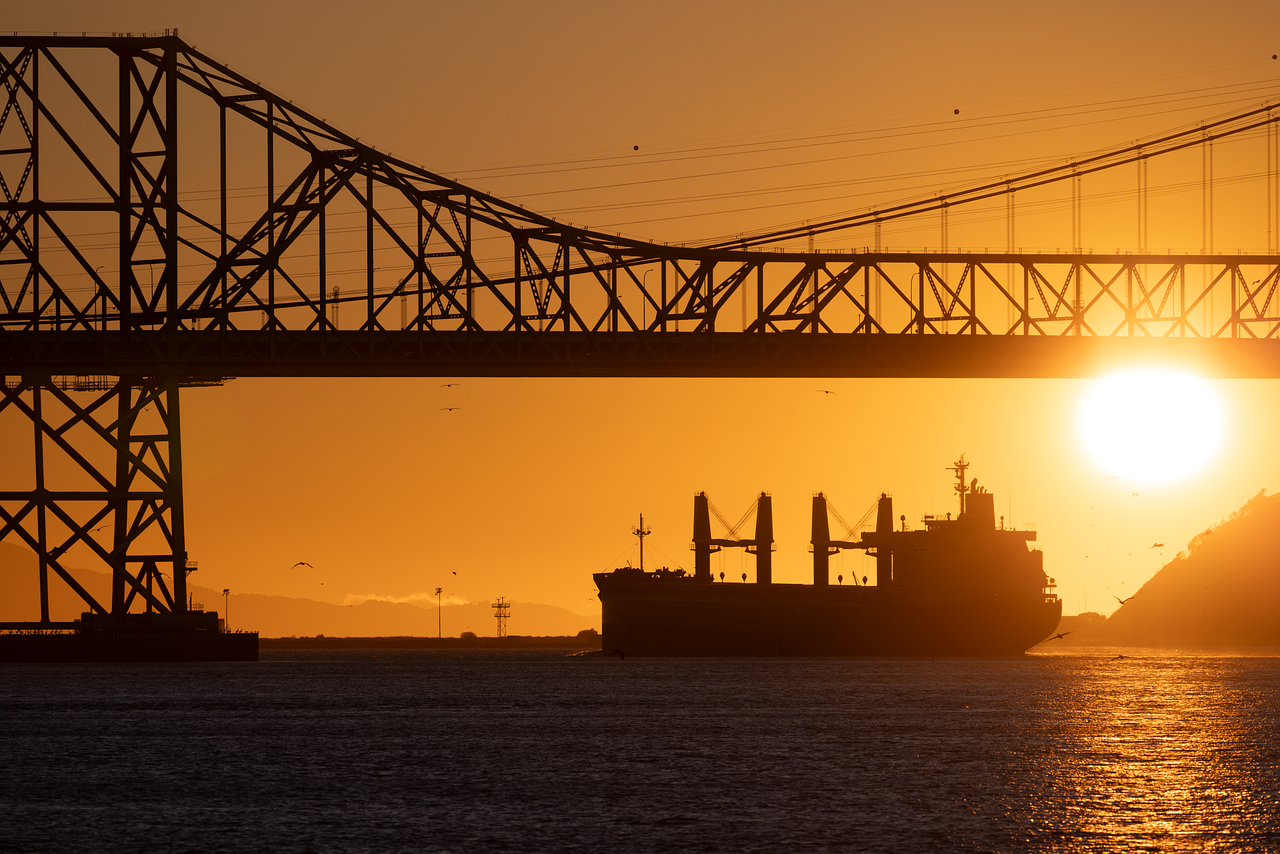
In the early hours of July 23, 2026, Houthi rebels attacked two Saudi oil tankers, Encelia and Layla, with drones and missiles as they sailed through the Red Sea. The attack caused fires aboard the vessels and represents the first military action since the Yemeni group declared a maritime blockade on July 21, 2026. Saudi Arabia's General Authority of Transport confirmed the incident via the official SPA news agency, detailing that the Encelia suffered a fire on its bow, though the crew is safe. Houthi military spokesman Yahya Sarea justified the action, arguing the ships ignored a ban on transiting the Bab el-Mandeb strait, a key passage only 29 kilometers wide connecting the Red Sea to the Indian Ocean.
The Houthi blockade directly hits the alternative route Saudi Arabia had been using after Iran closed the Strait of Hormuz in retaliation for U.S. strikes. The kingdom redirected more than 70% of its crude exports to the port of Yanbu on the Red Sea, shipping over four million barrels per day in recent weeks, according to consultancy Kpler. Facing the threat, traffic through Bab el-Mandeb fell 34% (to 29 ships), and through Hormuz 31% (only 9 vessels).
Oil prices reacted immediately to the instability. Brent crude surpassed $90.85 per barrel, approaching $97 according to market projections, while WTI hovered around $84. Experts warn that if disruptions persist in both maritime chokepoints, up to 25% of global oil supply routes could be compromised, also affecting other sensitive energy corridors like the pipeline connecting the Caspian basin to the Black Sea.
On July 22, 2026, the U.S. and Saudi Arabia signed the Agreement 123, a 30-year civil nuclear cooperation pact. Signed by U.S. Energy Secretary Chris Wright and his Saudi counterpart Abdulaziz bin Salman, the deal allows uranium enrichment for civilian reactors on Saudi soil. Although it requires congressional ratification, it opens a new dimension in the strategic alliance between the two nations amid regional conflict.
U.S. President Donald Trump warned he would take action if the Houthis move toward a total closure of the Red Sea. Riyadh, for its part, promised to protect its ships with all necessary measures in a conflict that has been ongoing since 2015.
The attack is part of a Houthi retaliation for tightened restrictions in areas under their control and for airstrikes that damaged runways at Sanaa airport last week, allegedly to prevent an Iranian plane from landing. The strategy of the rebel group, backed by Iran, aims to turn Saudi energy supply into a pressure lever as Riyadh strengthens strategic ties with Washington. Saudi Arabia currently exports about seven million barrels per day, with revenues reaching $187 billion by the end of 2025.

Alfredo S. Quiroga
