


31/07/2026 15:25 - Actualidad
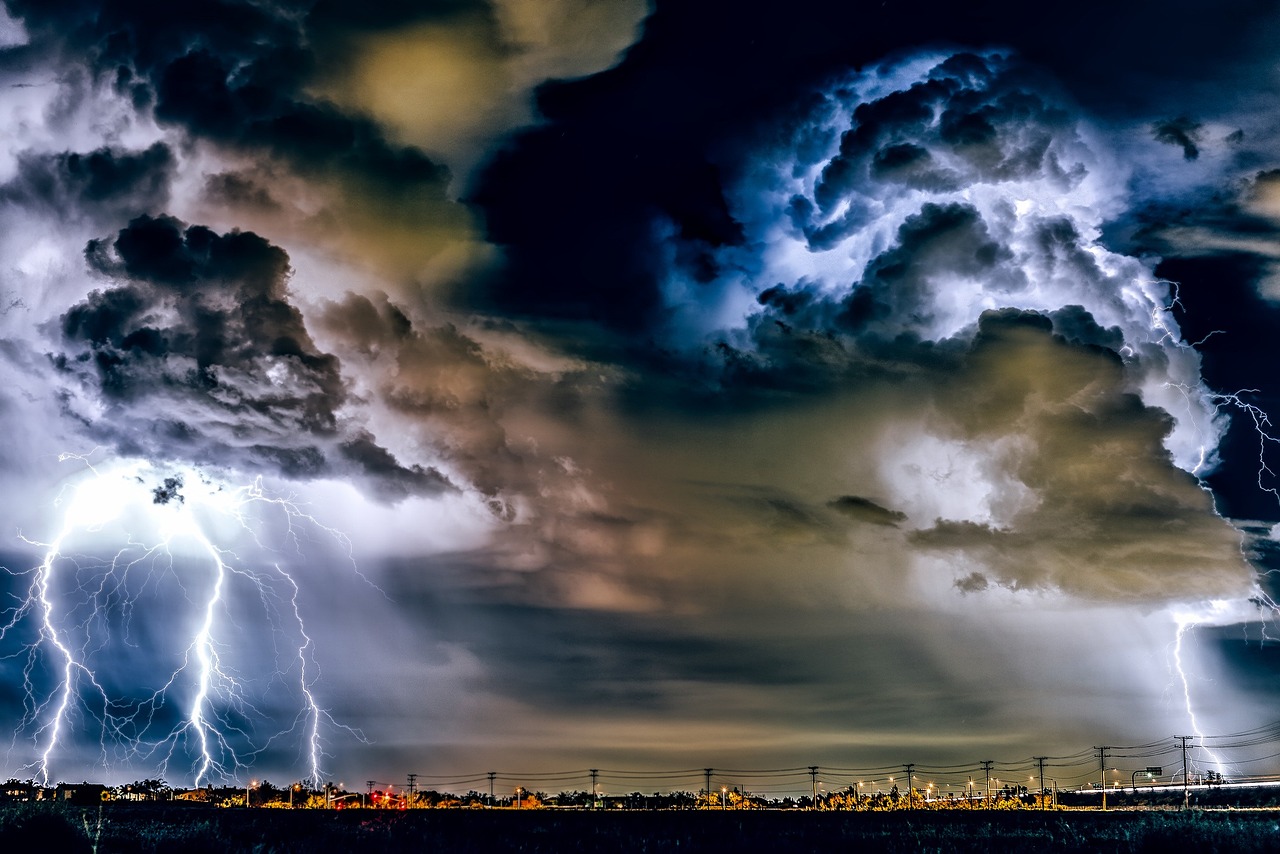
Friday, July 31, 2026, dawned with a much warmer and more humid air mass, setting the stage for a storm episode that could be strong or severe. According to Meteored, minimum temperatures rose sharply in Greater Buenos Aires, with an increase of 9.9 °C in Ezeiza compared to Thursday.
The National Meteorological Service (SMN) maintains an orange alert indicating the possibility of locally severe weather phenomena, with accumulated rainfall between 40 and 80 mm (values could be exceeded locally), hail, intense electrical activity, and gusts that could exceed 90 km/h.
What is AMBA? AMBA stands for Área Metropolitana de Buenos Aires, the metropolitan area that includes the city of Buenos Aires and 40 surrounding districts, home to over 15 million people. La Plata is the capital of Buenos Aires Province, located about 60 km southeast of the capital city.
The first storms entered the city of Buenos Aires as a line just minutes before 10:30 AM, leaving uneven accumulations that did not exceed 10 mm in the morning.
The SMN issues this alert when dangerous weather phenomena are expected for society, human life, property, and the environment. It is recommended to stay informed and follow authorities' instructions. The alert levels in Argentina are: green (no risk), yellow (possible risk), orange (dangerous), and red (extreme danger).
According to data from El Día, the La Plata region recorded the following rainfall accumulations in millimeters (mm):
| Location | Accumulated (mm) |
|---|---|
| Villa Elvira | 19.06 |
| San Carlos | 15.89 |
| San Lorenzo | 15.1 |
| Villa Elisa | 14.89 |
| City Bell | 14.78 |
| Plaza Moreno | 14.2 |
| Los Porteños | 12.4 |
| Parque Castelli | 10.1 |
| Los Hornos | 9.8 |
| Arturo Seguí | 8.45 |
The advance of the cold front will allow a gradual improvement in conditions throughout Saturday. Good news for the weekend! The sun will return during Saturday afternoon, marking the end of this instability episode.
Remember: in the Southern Hemisphere, August is winter. These temperatures are typical for the season in the Buenos Aires region.

Alfredo S. Quiroga
