


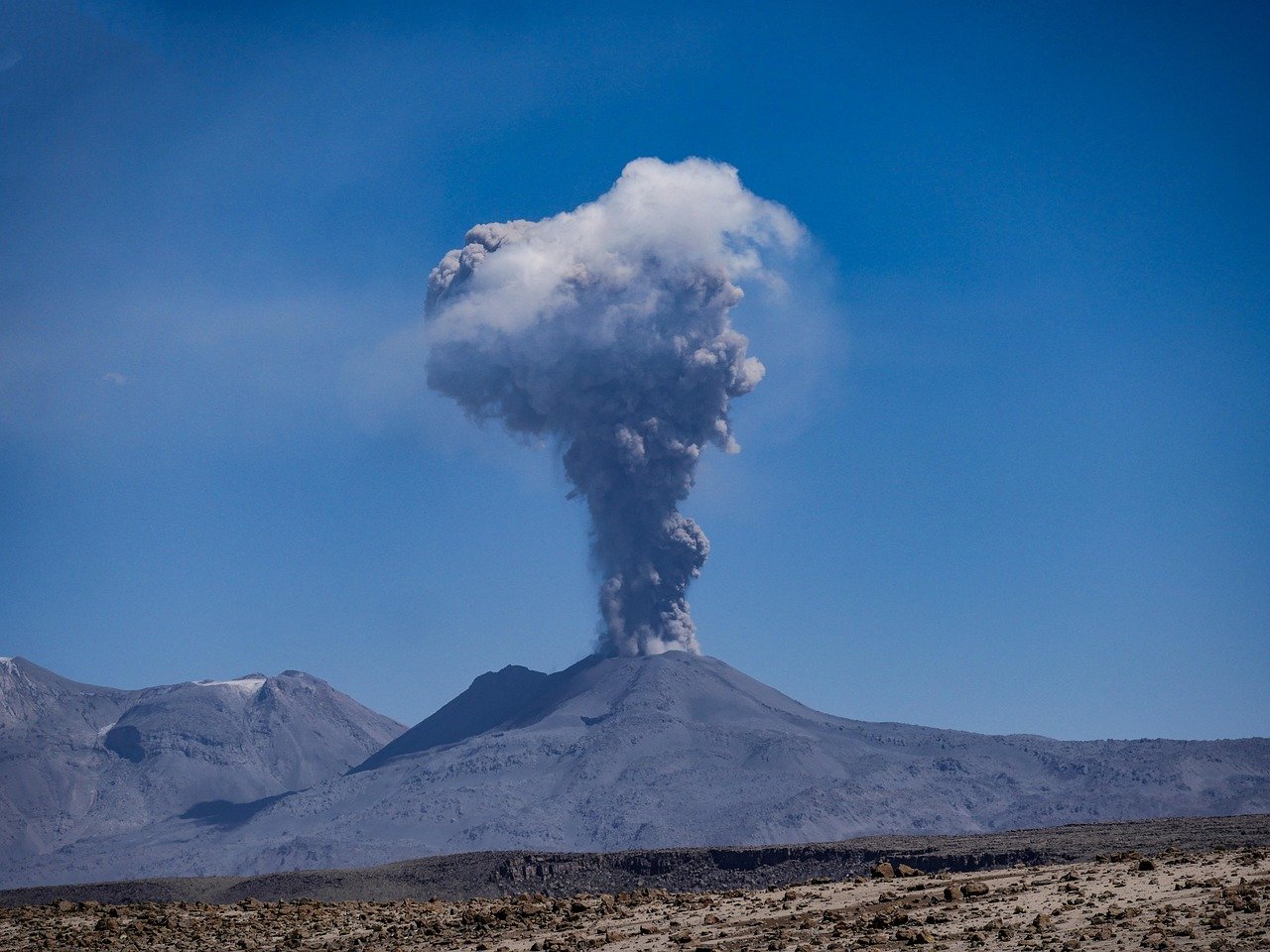
A Day of Resilience for Colombia
On August 10, 2026, Colombia experienced a day of great intensity. While the country faced the devastation of a 7.4 magnitude earthquake with an epicenter in San José del Palmar, Chocó —a municipality in Colombia's Pacific region— which left 111 fatalities, 87 injured, and 61 collapsed buildings, the Puracé volcano, located in the southwestern department of Cauca, recorded a significant emission of ash and gases reaching 300 meters in height.
What Does an "Orange Alert" Mean?
The Puracé volcano is currently on orange alert. In international geological monitoring protocols, this level indicates a considerable probability of an eruption occurring in terms of days or weeks. This status involves:
- Reinforced Monitoring: Intensified real-time data collection, measuring gases like sulfur dioxide and carbon dioxide, as well as ground deformation.
- Preventive Preparation: Automatic activation of contingency plans and review of evacuation routes, though it does not require immediate mass evacuation.
Impact on Aviation and Local Cities
The presence of volcanic ash posed a risk to aircraft, leading the Civil Aeronautics authority (Aerocivil) to suspend operations at the Guillermo León Valencia airport in Popayán, a historic colonial city known as the "White City". This closure added to the closure of seven other air terminals that suffered structural damage from the earthquake: Cali, Pereira, Manizales, Quibdó, Armenia, Cartago, and Buenaventura.
History and Characteristics of the Puracé Volcano
The Puracé volcano is an active stratovolcano that is part of the Central Cordillera of the Andes mountain range. It is located 27 kilometers from Popayán. It belongs to the Los Coconucos volcanic chain, which is composed of 15 volcanic cones. Its last major eruption occurred in March 1977, although since 2021 it has shown gradual changes in its activity, keeping authorities on permanent alert.
Colombian authorities continue to work with dedication and professionalism to ensure the safety of all citizens, maintaining constant 24-hour monitoring and reminding the population to stay calm and stay informed through official channels.
Sources: La Voz, TN, Diario de Cuyo and Rosario3.