


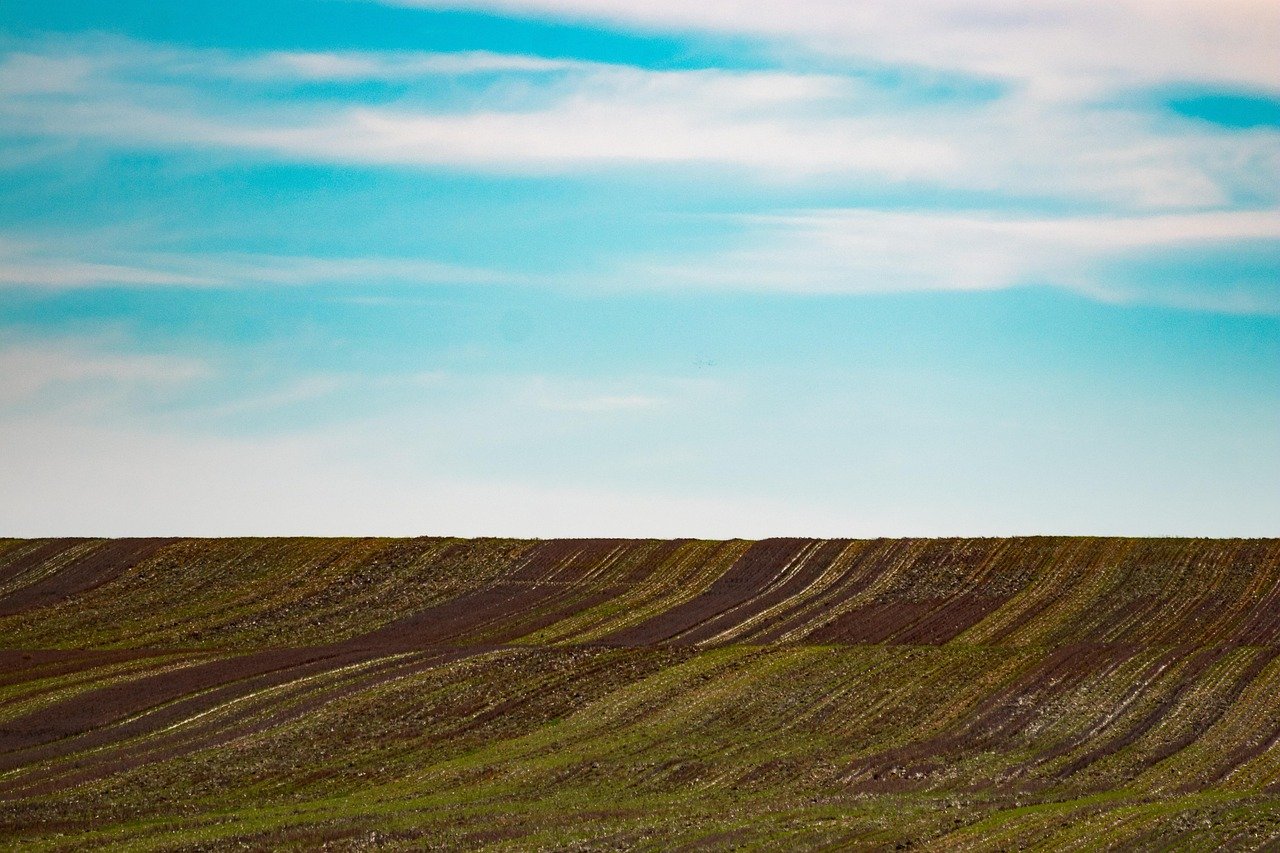
A Protected Argentine Landscape at Risk
Over the weekend of August 9–10, 2026, a disturbing event unfolded in the remote Pampa del Leoncito—a natural monument located in the Calingasta department of San Juan Province, western Argentina. A 46-year-old physician from Mendoza, identified as Agustín Añó, allegedly drove his Toyota Hilux into this ecologically sensitive area, leaving behind a trail of destruction that may take centuries to reverse.
Key Facts at a Glance
- Date: August 9–10, 2026
- Location: Pampa del Leoncito, Calingasta, San Juan, Argentina
- Vehicle: Toyota Hilux (registered to María del Carmen Valerio Barroso)
- Depth of tracks: Up to 25 cm
- Distance driven: Approximately 1.5 km into the plain, then reversed 200–300 m
- Estimated recovery time: Up to 100 years
- Legal status: Currently a contravention; mayor seeks criminal charges
The Incident and Immediate Aftermath
According to local media reports, Añó entered the restricted area despite signs indicating temporary closure due to recent rains and high soil humidity. The truck became embedded in the soft clay and silt ground after advancing about 1.5 kilometers. In an attempt to free the vehicle, the driver reversed for 200 to 300 meters, which only widened and deepened the ruts. Rescue efforts worsened the situation: a folding ladder was left buried, and a motorcycle reportedly drove over the area, adding more tracks.
The Pampa del Leoncito is a flat, arid expanse known for its fragile soil composition—a mix of clay and silt that compacts under weight and is extremely slow to recover. The region is protected as a natural monument due to its scientific value, including fossil records and unique ecological features. The deep grooves cut by the 4x4 will require natural erosion and vegetation regrowth to fade, a process that experts say could take up to 100 years based on similar incidents.
Authorities Respond: Vehicle Left in Place to Prevent Further Damage
The local judge, Andrés Troche, ordered that the truck remain exactly where it stopped, under the custody of Argentina's Gendarmería (national border police). Moving the vehicle would only worsen the damage, as the suction from the heavy machine could tear the already fragile ground. This decision reflects a growing awareness of the need to minimize further environmental impact even while enforcing the law.
The case is currently treated as a contravention—an administrative offense—with a maximum fine of approximately 1.5 million Argentine pesos (about $1,500 USD at mid-2026 exchange rates, though the amount is symbolic compared to the ecological cost). However, Sebastián Carbajal, the mayor of Calingasta, has formally requested that the case be escalated to the Criminal Justice system, arguing that the damage constitutes a serious environmental crime.
A Push for Stronger Environmental Protections
Mayor Carbajal did not stop at the legal request. He announced a project for a new provincial law aimed at protecting natural treasures like Pampa del Leoncito, the nearby Morrillos area, and the Arroyo El Fiero stream. The proposed legislation would introduce stiffer penalties, clearer regulations, and better enforcement mechanisms to prevent similar incidents in the future.
This incident is not isolated. In November 2025, a similar case left tracks of 10 to 15 cm deep, which authorities estimated would need 40 to 60 years to erase. The new case, with tracks up to 25 cm, is significantly worse. The comparison has galvanized environmental groups and local communities, who see this as an opportunity to enact meaningful change.
A Hopeful Outlook
While the damage is severe, the response has been overwhelmingly positive. The mayor's proactive stance, the public outcry, and the potential for stricter laws signal a turning point in how Argentina values its natural heritage. If the new legislation passes, it could set a precedent for other provinces and inspire a nationwide movement toward sustainable tourism and responsible access to protected areas.
As the legal process unfolds, the focus remains on education and prevention. The hope is that future visitors will understand the fragility of these landscapes and respect the rules designed to preserve them for generations to come.