


An Episode that Tarnishes the Continental Festival
The match between Rosario Central (a major club from Argentina's third-largest city) and Brazil's Corinthians ended in a 0-0 draw, but it was overshadowed by a serious complaint. Brazilian goalkeeper Hugo Souza stated he was the victim of racist abuse from the local fans throughout the game. The incident occurred at the Gigante de Arroyito, Rosario Central's iconic stadium, during the first leg of the round of 16 of the 2026 Copa Libertadores, South America's most prestigious club football tournament.
According to the player himself, the insults began during the warm-up and continued throughout the 90 minutes. They called me 'mono', 'macaco', and 'negro de mierda' all game long, Souza declared in the mixed zone, visibly affected by the situation. These terms are highly offensive racial slurs used in Latin America.
The Activation of the Anti-Racism Protocol
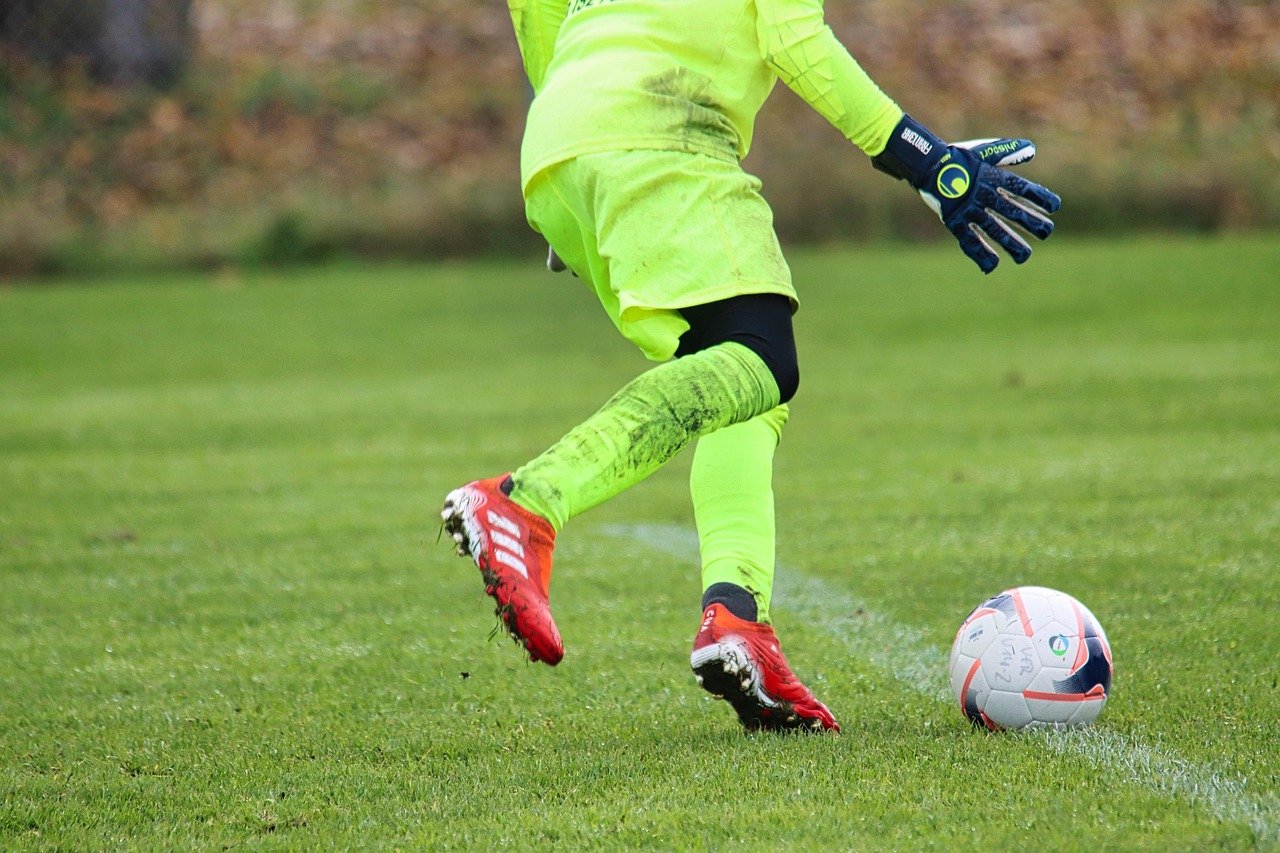
At the 21st minute of the second half, as he was preparing to take a goal kick, Souza called the Uruguayan referee Andrés Matonte to inform him of the situation. The referee activated FIFA's anti-racism protocol by making the 'X' sign with his arms crossed over his head, though the match continued without a prolonged interruption.
Notably, Ángel Di María, a global football superstar and captain of Rosario Central, approached the stands to ask the fans to stop the insults. The stadium's loudspeakers also issued a call to supporters to avoid discriminatory acts, showing a collective effort to combat the issue.
I do not know what goes through their heads. I do not know if they think they are more than us, that they are more human than us, that they are better than us, but I hope that someday this truly changes and they can examine their conscience.
The Player's Testimony and the Club's Repudiation
Souza, 27 years old, a former player for Flamengo and Portugal's Chaves, expanded on his testimony and clarified that the Rosario Central players were not responsible: The players even apologized to me for the fans' attitude. It was not an attitude of the Rosario players, it was an attitude of the fans, he pointed out.
The Sport Club Corinthians Paulista issued an official statement vehemently repudiating the event: The club vehemently repudiates and laments another episode of racism in football. It is outrageous to witness, once again, scenes like this that do not represent what football is. The institution demanded an investigation to identify and sanction those responsible.
Conmebol Analyzes the Videos
Conmebol (the South American Football Confederation) requested the match footage and will have the collaboration of Rosario Central to identify the fans who uttered the insults. Sanctions for this type of case are usually financial and include awareness campaigns, although the match result would not be modified.
Brazilian journalists present in Arroyito reported hearing racist expressions during the first half, and videos showing discriminatory gestures from some fans circulated on social media.
Background and Context
This is not the first time episodes of racism have been recorded in matches between Argentine and Brazilian clubs. Souza recalled that every time we come to play here, the same thing happens, referring to previous incidents in continental tournaments.
The Series Remains Open
In sporting terms, the 0-0 draw left the tie completely open. The return leg will be played on Thursday, August 20, 2026 at the Neo Química Arena in São Paulo, where the qualifier for the quarterfinals will be decided. The winner will face the victor of Estudiantes de La Plata (Argentina) and Universidad Católica de Chile.
However, the result took a backseat given the gravity of the complaint, which reignites the debate on the need to eradicate racism from South American football, hoping for a more inclusive and respectful future.