


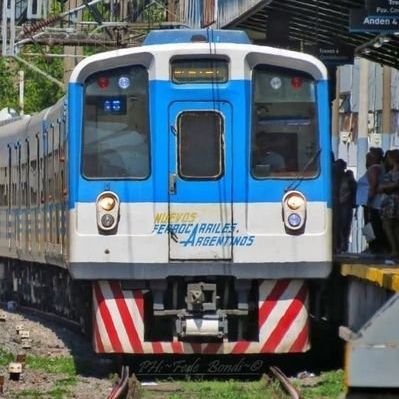
On Tuesday, August 18, 2026, the Mitre train line—one of the busiest commuter railways in Buenos Aires—saw its Retiro-Tigre branch hit with major service disruptions. According to an official update from Transporte AMBA at 9:31 AM, trains were running with delays and cancellations, triggering the orange alert status in the system's warning protocol.
🚨 Service Alert
Line: Mitre
Branch: Retiro - Tigre
Status: Orange (delays and cancellations)
Time of notice: 9:31 AM
What Does 'Orange Alert' Mean?
In the Buenos Aires metropolitan area (AMBA), the orange alert indicates a partial service interruption. Trains run less frequently, wait times increase, and some services may be canceled altogether. It's a middle ground between green (normal service) and red (complete shutdown). This system helps passengers quickly assess the severity of disruptions.
Impact on Passengers
The Retiro-Tigre branch is a vital artery for the northern suburbs of Buenos Aires, connecting the city center with neighborhoods like Olivos, Vicente López, San Isidro, San Fernando, and Tigre. Thousands of daily commuters rely on this line to reach jobs, schools, and universities. The disruption hit during the morning rush hour, a critical time when many are already pressed for time.
What Should Passengers Do?
- Check the service status before leaving home via official channels.
- Allow extra time for waiting at stations.
- Consider alternative transport: local buses (lines 21, 60, 168, 203) or a combination with the subway system.
- Follow Transporte AMBA on social media for real-time updates.
As of now, no estimated time for full service restoration has been provided, so delays are expected to persist for several hours. Authorities urge passengers to plan ahead and remain patient. This incident highlights the ongoing challenges of urban mobility in one of South America's largest metropolitan areas.