


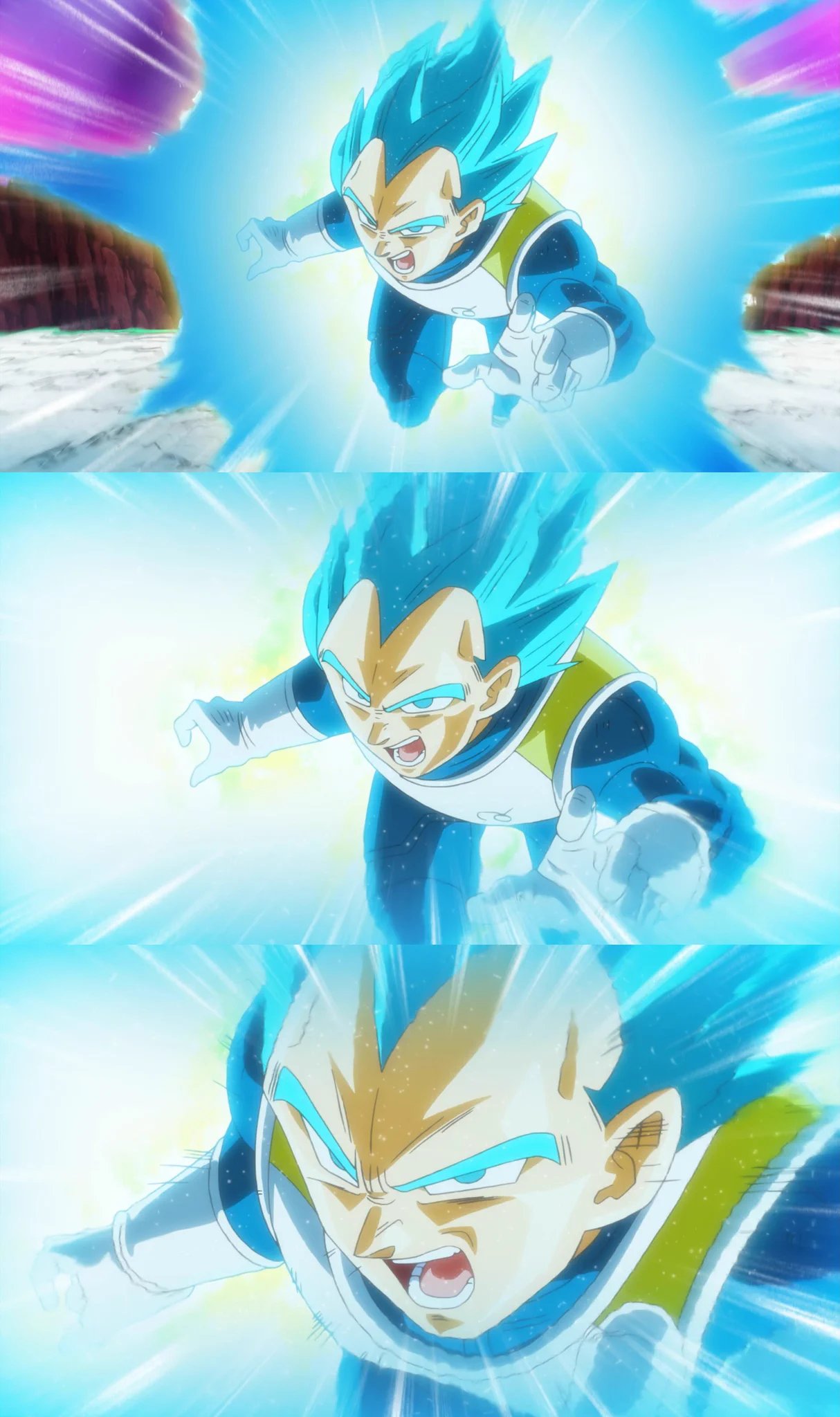
The Dragon Ball community is in an uproar after a video comparing the animation of Vegeta in Super Saiyan Blue (2016) with the most recent version of Beerus (2026) went viral. The footage, shared across social media, showcases the technical and aesthetic leap the franchise has made in a decade.
What is Super Saiyan Blue?
Super Saiyan Blue (SSJ Blue) is the transformation that combines the power of Super Saiyan God with the ki control of a Super Saiyan. It debuted in the film Dragon Ball Z: Resurrection 'F' (2015) and became the signature form for Goku and Vegeta during the Dragon Ball Super era. This form is achieved by a Super Saiyan God who has mastered godly ki, resulting in blue hair and aura, and it represents a significant power boost over previous transformations.
The Viral Comparison
The video contrasts two key moments: Vegeta's fight against Goku Black in the 2016 arc and Beerus's recent appearance in the series airing in 2026. Fans highlight the evolution in light effects, movement fluidity, and facial expression detail. The 2016 scenes, while iconic, featured simpler animation with occasional inconsistencies, whereas the 2026 footage shows more dynamic camera angles, intricate energy effects, and a polished aesthetic.
“The difference is abysmal. In 2016, the animation was more static; now every punch has an impressive visual impact,” commented a user on X (formerly Twitter).
Beerus: The God of Destruction
Beerus is the God of Destruction for Universe 7, introduced in the film Dragon Ball Z: Battle of Gods (2013). His role in the series has been crucial in raising the power ceiling for the protagonists. Over the years, his design has evolved, gaining more expressiveness and dynamism, reflecting the improved animation quality. Beerus's character is known for his cat-like appearance, which draws inspiration from the Siamese cat breed, and his immense power that initially dwarfed even Super Saiyan God Goku.
The Technical Evolution of Anime
This comparison not only reflects the passage of time for the franchise but also the broader advancement of the anime industry. In 2016, Dragon Ball Super faced criticism for animation inconsistencies, while in 2026, studios have adopted more sophisticated digital techniques and a more refined style. The shift includes better use of CGI for complex scenes, improved color grading, and more detailed character models, setting a new standard for long-running shonen series.
| Year | Character | Transformation/State | Characteristics |
|---|---|---|---|
| 2016 | Vegeta | Super Saiyan Blue | Simpler animation, bright colors, less fluid movements |
| 2026 | Beerus | God of Destruction | Greater detail, more complex energy effects, more realistic expressions |
Fan Reactions
Opinions are divided: some prefer the nostalgia of the 2016 era, while others celebrate the realism and spectacle of the 2026 version. The video has already surpassed one million views on platforms like YouTube and TikTok, with comment sections filled with debates about animation quality, character design, and the direction of the series. Some fans argue that the 2016 style had a certain charm and energy, while others praise the 2026 version for its cinematic quality.
The Dragon Ball franchise continues to expand with new movies, series, and video games, keeping the flame alive for one of the most beloved anime sagas. This comparison serves as a reminder that evolution never stops, and fans can look forward to even more impressive visuals in the future. As the series progresses, the bar for animation quality continues to rise, ensuring that Dragon Ball remains a visual spectacle for both new and old fans alike.