


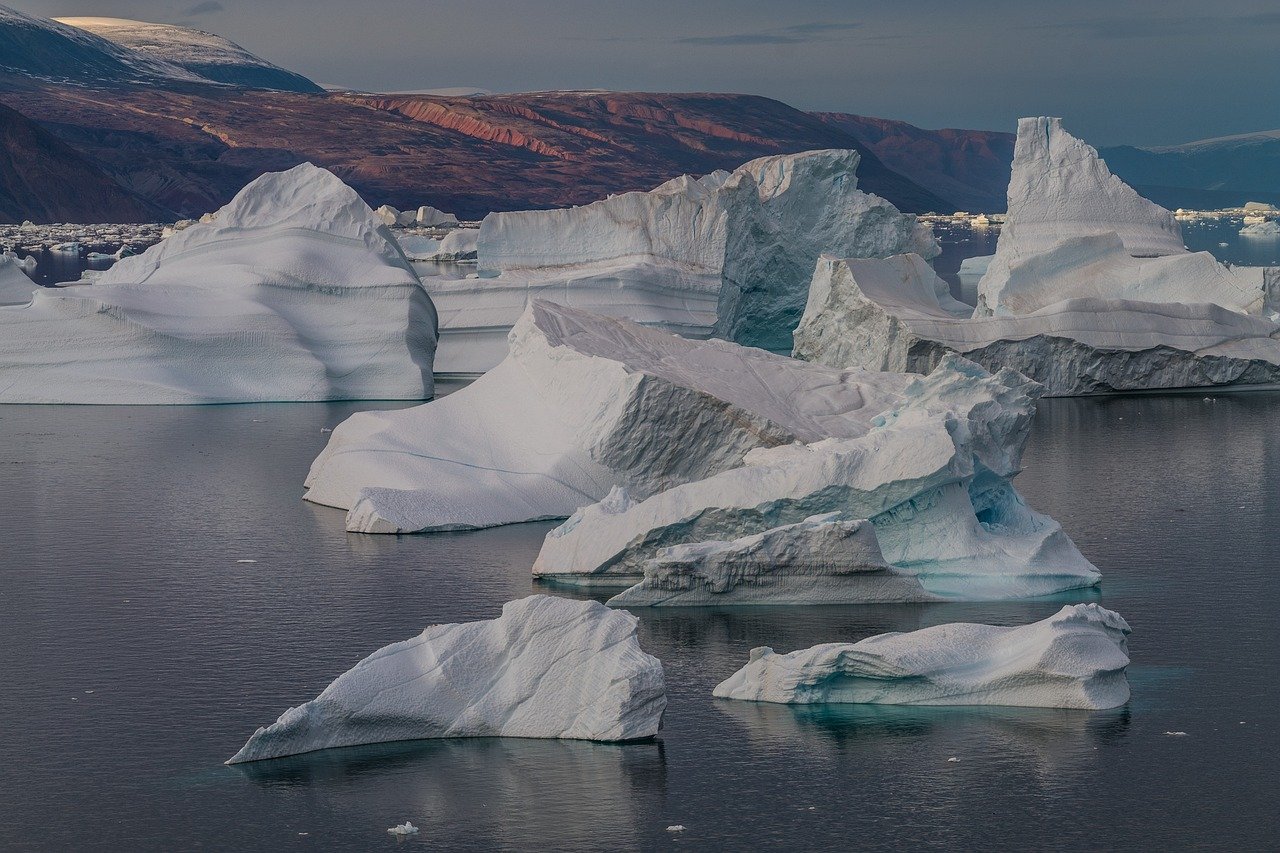
The Arctic Sentinel: A New Era of Security
According to reports from Politico, the administration of Donald Trump and Danish Prime Minister Mette Frederiksen have finalized a pact that fundamentally redefines military presence in Greenland. The official signing is expected to take place during the UN General Assembly.
🗺️ Understanding the Map
To put this into perspective, Greenland is an autonomous territory under the sovereignty of Denmark. Geographically, it acts as a strategic "plug" between North America and Eurasia.
As global warming leads to the melting of polar ice, the region is becoming a focal point for two reasons: newly accessible shipping routes and a treasure trove of critical minerals essential for modern technology.
🛡️ The Strategic Goal
The primary objective is to create a security perimeter that prevents Russia and China from expanding their footprint in the North Pole. By securing this territory, the USA ensures that the gateway to the Arctic remains under allied control.
What Exactly has Changed?
| Strategic Axis | Previous Agreement (1951) | New Agreement (2026) |
|---|---|---|
| Military Presence | Troop stationing was permitted. | Permanent security control and base expansion. |
| Third-Party Nations | Standard NATO regulations applied. | Total ban on Russian and Chinese bases. |
| Economy & Mining | Open investment policies. | Veto on non-allied investments in critical minerals. |
💡 The "Sentinel Effect" Explained
To simplify this geopolitical move: imagine a powerful neighbor installing advanced security cameras and private guards in a friend's backyard. The goal isn't to take over the house—Denmark maintains full sovereignty—but to ensure that a rival neighbor cannot sneak in through the back door. The USA becomes the exclusive security manager, effectively locking out Beijing and Moscow from the Arctic frontier.