


Economic Impact Overview
4.9%
Annual Rate - Sept 20263.1%
Year-on-Year (Adjusted)↑ Rising
7th Consecutive Month >3%Sept 2026
Latest Data ReleaseContext & Background
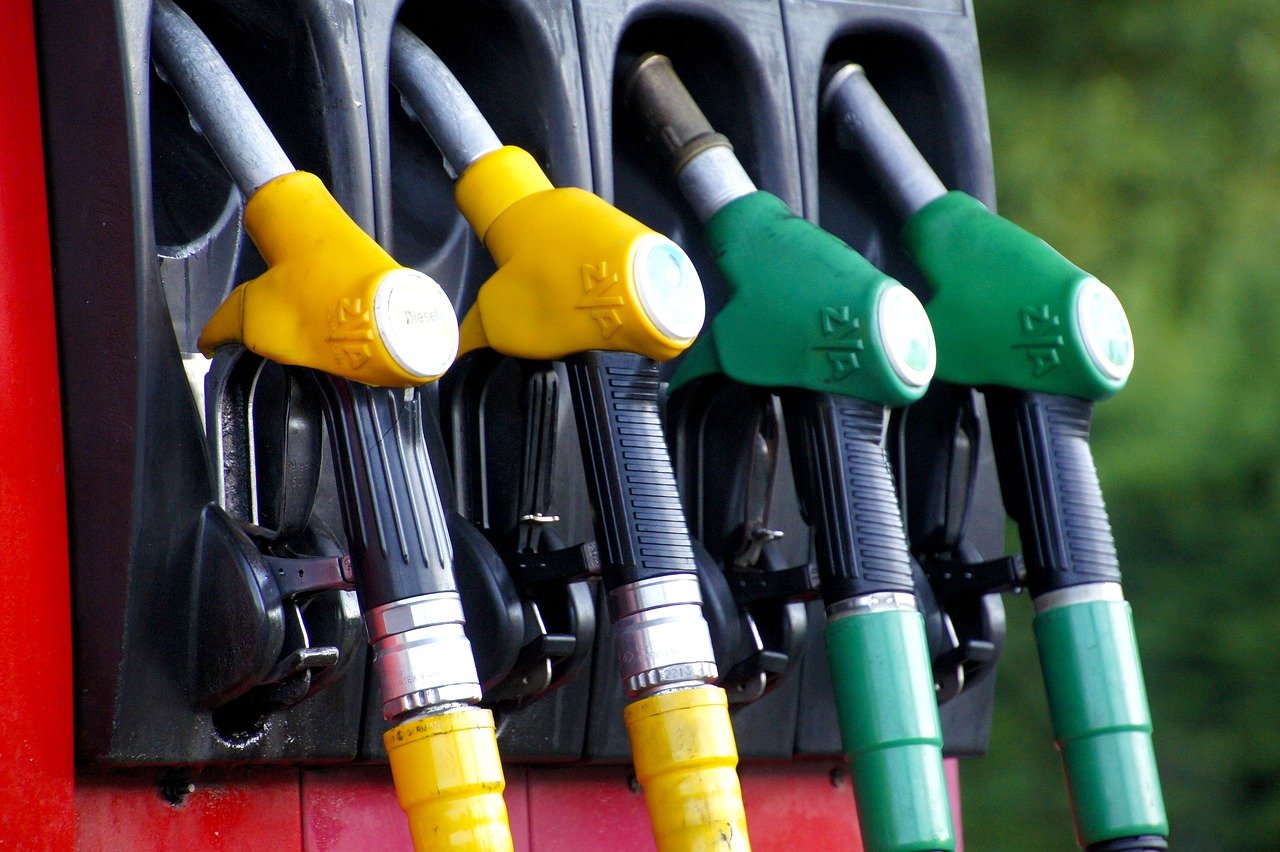
The persistently high inflation reflects ongoing global energy disruptions, specifically the conflict in Iran that has sent shockwaves through European fuel markets. Despite the Spanish government implementing fuel tax relief measures starting April 2026 to ease consumer pressure, these interventions have been insufficient to counteract the broader energy-driven price surge. Official data from the National Statistics Institute (INE) also revealed a 0.6% seasonal decline in food prices between March and August 2026, confirming the core inflationary pressure stems primarily from energy rather than food or services.
This latest figure follows a revised 4.3% rate recorded in August 2026, marking the second consecutive monthly acceleration. The spike contrasts sharply with pre-conflict expectations, as policymakers had anticipated stabilisation after temporary fuel subsidies were introduced to shield consumers from volatile global oil prices.
Why the Spike Matters
The 4.9% headline inflation rate signals a significant shift in Spain's economic trajectory. While headline figures capture fuel-driven volatility, the persistent rise in core inflation to 3.1% indicates that price increases are beginning to permeate deeper into the broader economy, affecting essential goods and services beyond energy.
INE data shows that energy-related costs have risen sharply this month due to disruptions in Iranian oil exports and heightened geopolitical tensions in the Strait of Hormuz. This has directly impacted gasoline and diesel prices, which recorded their sharpest monthly increase since August 2025.
Moreover, the latest data suggests that temporary tax reductions introduced in April 2026 may have prevented an even larger spike, potentially containing inflation above 5.5% in the absence of such measures. The government now faces mounting pressure to extend support while preparing for long-term energy diversification strategies.
Future Outlook
- Potential Stabilization: If diplomatic efforts restore stable oil flows through the Persian Gulf within the next quarter, Spain may see temporary relief, though structural inflation pressures remain.
- Interest Rate Implications: The European Central Bank is likely to consider tighter monetary policy if core inflation sustains its upward trend through late 2026.
- Policy Response: Finance Minister Carlos Cuerpo confirmed that the Cabinet will convene on Tuesday, September 29, 2026, to approve targeted subsidies for gas and butane distribution networks.
- Long-term Risks: Continued energy price volatility could jeopardize Spain's economic recovery, particularly affecting low-income households already grappling with cost-of-living adjustments.