


02/07/2026 21:17 - Economia
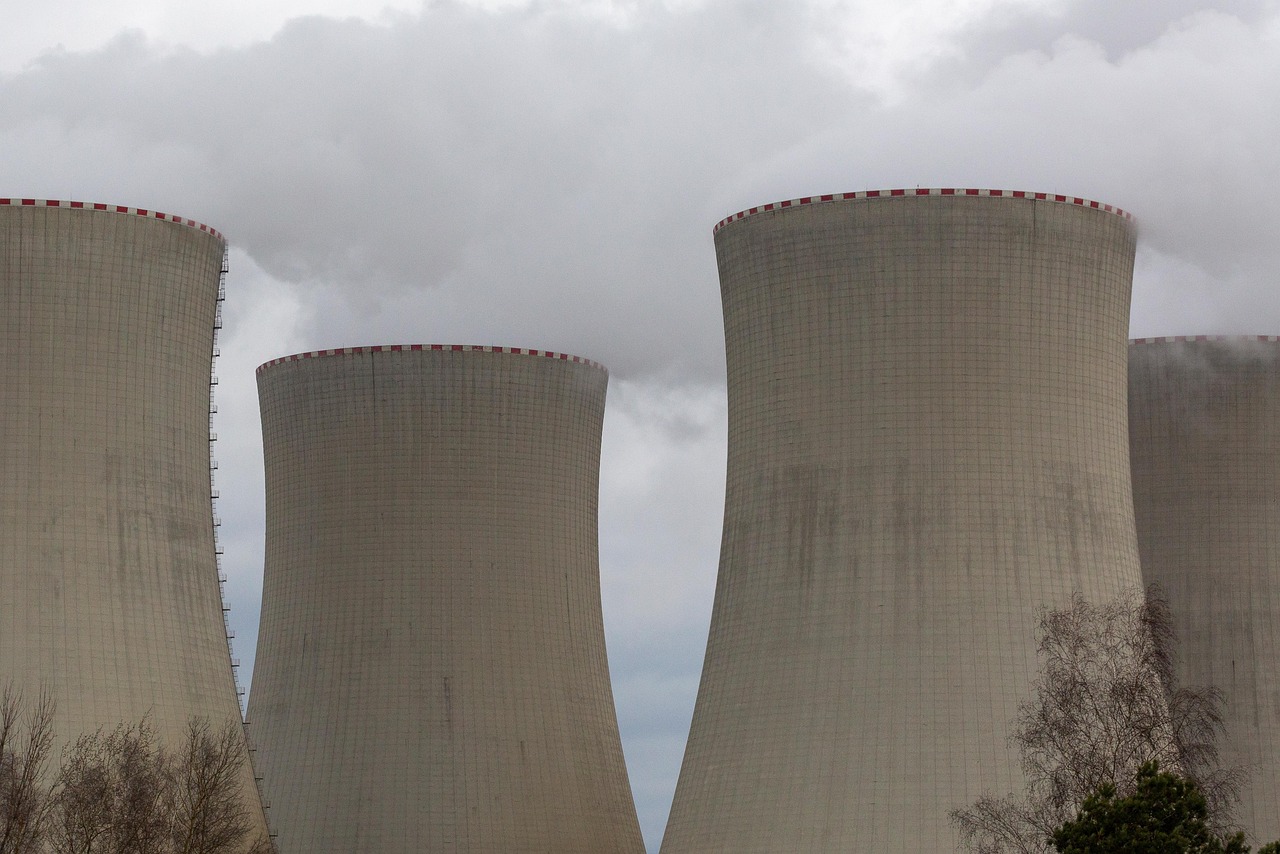
On July 2, 2026, Argentina's Minister of Economy, Luis Caputo, and the Secretary of Nuclear Affairs, Federico Ramos Nápoli, announced a private project to build a new nuclear power plant in the country. The initiative, led by Meitner Energy (part of the Ansari Group, with a 40% stake held by Argentina's state-owned technology company, INVAP), represents an investment of USD 1.2 billion entirely financed with private funds.
The facility will be located at the Atucha site of Nucleoeléctrica Argentina, in the district of Zárate (a major industrial hub in the Buenos Aires province). It is estimated to generate around 2,000 direct jobs throughout its development, construction, commissioning, and operation. Furthermore, due to its magnitude and technology, it could enter the Súper RIGI (Large Investment Incentive Regime), a new tax and regulatory incentive framework currently under debate in the Argentine Congress to attract major capital.
The project involves the construction of the ACR-300, a Generation III+ SMR (Small Modular Reactor)—a type of advanced nuclear reactor smaller than traditional ones, allowing for easier fabrication and assembly—using PWR (Pressurized Water Reactor) technology with an approximate capacity of 300 MWe. Its design was conceived by Argentine engineers and will be the first commercial project of its kind worldwide, known as First of a Kind (FOAK).
The agreement stipulates that Nucleoeléctrica Argentina will have the right to assume the operation and maintenance of the plant under market conditions. Meanwhile, Meitner Energy will pay a fee for the surface rights to the land where the plant will be located. The construction timeline is projected at five years, following approval from the Ministry of Economy and licensing by the Nuclear Regulatory Authority (ARN).
Secretary Ramos Nápoli highlighted that this model allows the State to create the conditions and guarantee predictability, while the private sector invests the capital and assumes the risk. This initiative comes in the context of a restructuring at the National Atomic Energy Commission (CNEA, for its Spanish acronym), where 61 contracted employees were recently dismissed. This sparked a debate about the agency's future and the fate of the CAREM project, a small reactor that CNEA had been developing and which was reportedly set aside in favor of this new, more efficient, and cost-effective private proposal.
Despite the adjustments in the sector, specialists are confident that the country has a massive opportunity to boost its nuclear industry, leveraging local talent trained at prestigious institutions like the Balseiro Institute (a renowned physics and engineering school in Argentina), thus consolidating Argentina as a regional benchmark in clean energy.

Alfredo S. Quiroga
