LATEST
El retorno del libro más paciente: devuelto a una biblioteca australiana 150 años tarde Hand Arthritis: Causes, Symptoms, and Treatments to Regain Mobility and Well-Being FIFA Charges Argentina Over World Cup Final Brawl and Falklands Flag Display Messi Returns to Miami: Countdown Begins for His Argentina National Team Future Marianela Núñez, the 'Messi of Ballet', Premieres Her First Own Show in London Grain Market: Soybean Leads a Dynamic Week in Rosario with Stable Prices and Future Opportunities Fed Holds Rates Steady Amid Global Uncertainty, Argentina Continues to Build Reserves Argentina's Investment Challenge in H1 2026: Hope from the RIGI Mega-Projects Fighting Human Trafficking: How Technology Transformed the Crime and What’s Being Done to Stop It UOM Steelworkers Reject Offer: August Salaries Unchanged as Negotiations Stall El retorno del libro más paciente: devuelto a una biblioteca australiana 150 años tarde Hand Arthritis: Causes, Symptoms, and Treatments to Regain Mobility and Well-Being FIFA Charges Argentina Over World Cup Final Brawl and Falklands Flag Display Messi Returns to Miami: Countdown Begins for His Argentina National Team Future Marianela Núñez, the 'Messi of Ballet', Premieres Her First Own Show in London Grain Market: Soybean Leads a Dynamic Week in Rosario with Stable Prices and Future Opportunities Fed Holds Rates Steady Amid Global Uncertainty, Argentina Continues to Build Reserves Argentina's Investment Challenge in H1 2026: Hope from the RIGI Mega-Projects Fighting Human Trafficking: How Technology Transformed the Crime and What’s Being Done to Stop It UOM Steelworkers Reject Offer: August Salaries Unchanged as Negotiations Stall
Español English 中文 Português Français Italiano Deutsch العربية Русский اردو

Family Debt in Argentina: Banks and Fintechs Seeking Solutions

15/07/2026 10:09 - Economia
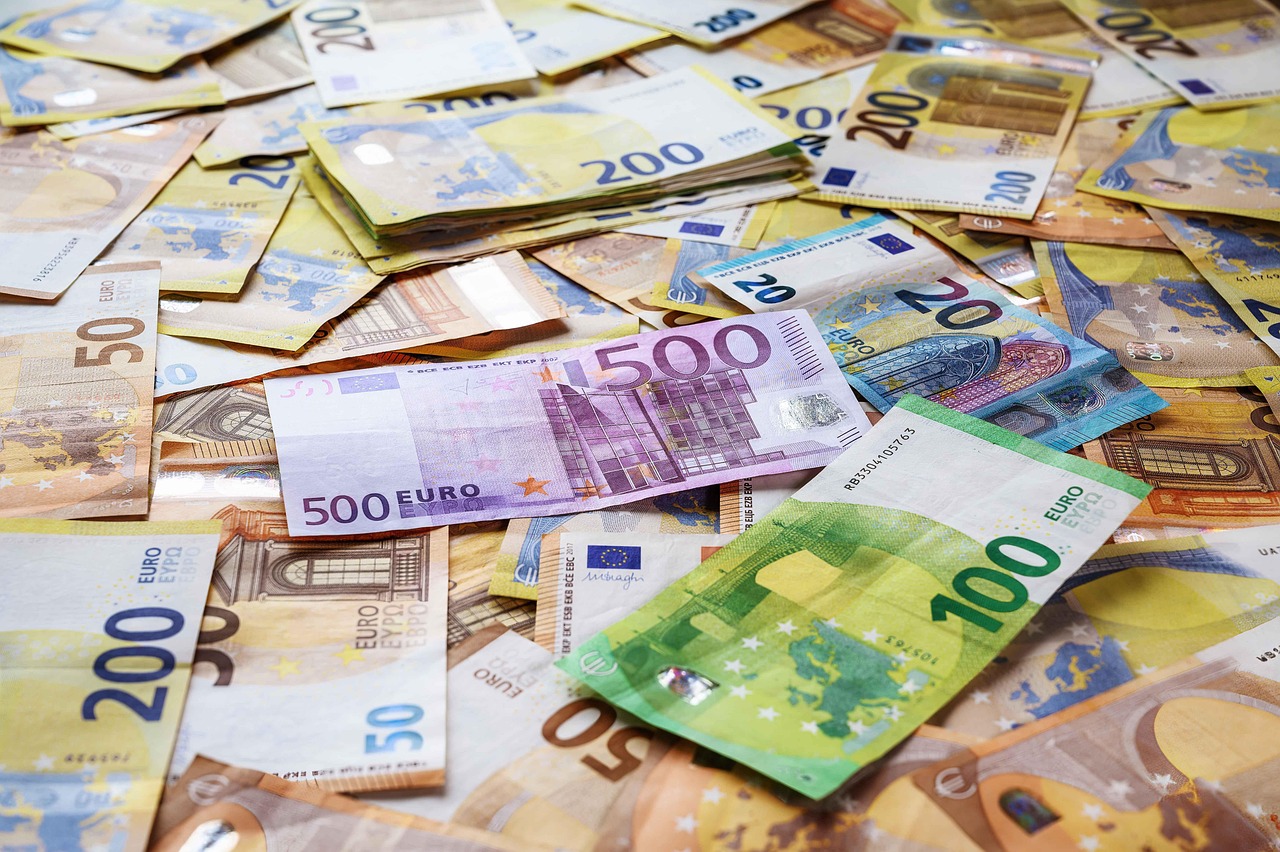
The Credit Map: Who Owns Argentina's Family Debt?

The credit situation in Argentina in 2026 presents a significant challenge: seven million people have payment delays exceeding 60 days on their loans. However, both the private sector and the State are implementing rescue and refinancing programs to ease the family burden and reactivate the economy.

According to a report by Letra P published on July 14, 2026, debtors range from young people in informal jobs who borrowed through delivery apps to state workers. The main creditors are large commercial banks and fintechs, which are adapting their strategies to avoid total losses and help clients regularize their situations.

Key Concepts to Understand Argentine Credit

  • Default (Mora): This is the delay in paying an installment or debt. In Argentina, a portfolio is considered irregular starting from level 3, when the delay exceeds 90 days.
  • CFT (Total Financial Cost): The final cost a client pays for a loan, including interest, commissions, and expenses. It is usually expressed as an annual rate.
  • Fintech: Companies that use technology to offer financial services, such as loans through mobile apps, without needing physical branches. They are very popular among informal workers in Argentina.

The Role of Traditional Banks

As of April 2026, the irregularity of bank loans to individuals averaged 12.1%, a jump from 3.7% the previous year. Banks are calling their clients one by one to offer tailored refinancing at rates around 25%, successfully reprogramming about 300,000 loans.

BankCurrent Default RatePrevious Year Default Rate
Galicia7.7%2.7%
Santander10.6%2.6%
BBVA9.75%2.43%
Macro6.92%1.81%

The Universe of Fintechs and Appliance Stores

In May 2026, the default rate at non-bank entities reached 28.7%. Naranja X leads with 36.6% of the non-bank loan market and a 25.1% default rate, while Mercado Pago holds 15.9% of the market and managed to reduce its irregularity to 17.3% thanks to proactive refinancing efforts.

Meanwhile, traditional appliance stores like Frávega (57%), Megatone (55.4%), and Cetrogar (54.3%) show the highest non-payment levels, though they move smaller amounts of money in systemic terms compared to banks.

Solutions Underway: The State to the Rescue

Faced with this scenario, national and local governments accelerated relief plans. On Monday, July 14, 2026, the Head of the Buenos Aires City Government, Jorge Macri, announced a refinancing program at Banco Ciudad (the city's public bank) with tax benefits and rates not exceeding 35% annually. Banco Provincia (the Buenos Aires province bank) offers rates between 30% and 50%, and Banco Nación (the national public bank) launched lines at a UVA rate plus 12%. The UVA (Unidad de Valor Adquisitivo) is a local inflation-adjusted unit. Refinancings grew almost 150% between October and May, showing that the system is actively working to protect Argentine families.

Today's News
Alfredo's Column Alfredo S. Quiroga

Alfredo S. Quiroga