


A Week of Two Halves for Argentina's Informal Currency
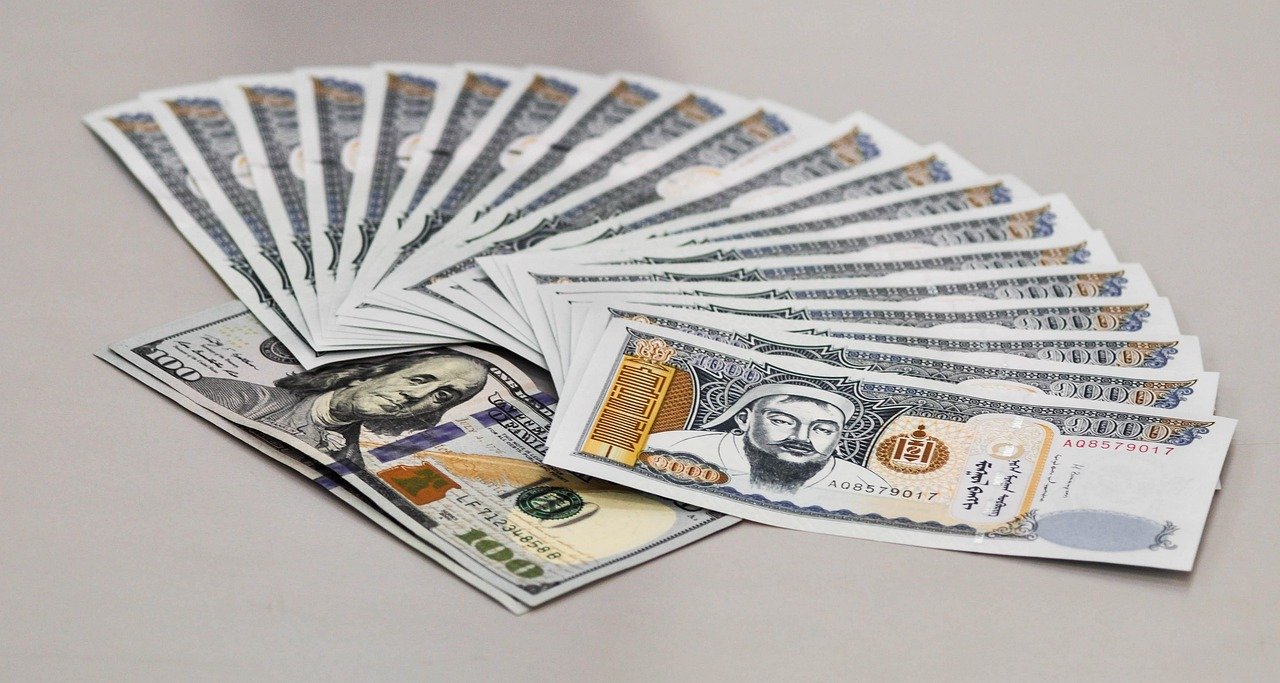
The dólar blue (Argentina's unofficial dollar exchange rate) took a breather this week after a turbulent period. On Thursday, August 20, the informal currency dropped by 15 pesos, closing at 1,530 pesos for buying and 1,550 pesos for selling in Buenos Aires, according to market operators consulted by Ámbito. This ended a streak of three consecutive daily increases that had pushed the rate up by a total of 30 pesos.
On Friday, August 21, the blue dollar remained stable, holding at those levels. In the weekly balance, it accumulated a gain of 5 pesos (rising from 1,545 pesos the previous Friday), marking its second consecutive weekly advance.
Regional Variations: A Look at San Juan
In the western province of San Juan, the blue dollar traded at slightly higher levels, closing the week at 1,480 pesos for buying and 1,580 pesos for selling, according to local outlet Diario de Cuyo. This highlights the regional differences in a country where the informal market can vary significantly from the capital.
📊 Argentina Exchange Rate Snapshot — August 21, 2026
| Exchange Rate Type | Buying (ARS) | Selling (ARS) |
|---|---|---|
| Official Dollar (with 30% PAIS tax) | 1,465 | 1,515 |
| Wholesale Dollar (for large corporations & banks) | — | 1,499 |
| Blue Dollar (informal market) | 1,530 | 1,550 |
| MEP Dollar (stocks & bonds) | 1,531.39 | 1,535.08 |
| CCL Dollar (for international transfers) | — | 1,590.31 |
| Tarjeta Dollar (credit card purchases abroad) | — | 1,969.50 |
| Crypto Dollar (USDT/USDC stablecoins) | — | 1,583.04 |
The Blue vs. MEP Gap: A Two-Month Anomaly
A notable trend: the blue dollar has been trading above the MEP dollar (a legal alternative using stock purchases) since early July. This unusual spread, persisting for nearly two months, suggests strong demand in the informal market despite relative stability in official rates.
Wholesale Rate in the Spotlight
The wholesale dollar closed at 1,499 pesos, its highest level since August 7, accumulating a 0.8% gain this month. This rate is crucial for foreign trade and large-volume transactions. Investors are now watching the Treasury's upcoming auction, which faces maturities of dollar-linked bonds worth approximately USD 3,968 million. A recent debt swap only captured 34% of that volume, leaving USD 2,614 million still needing refinancing—a potential source of pressure on the exchange rate.
Macro Context: What's Driving the Numbers?
This week's dynamics were shaped by several factors:
- 📈 Rising Country Risk: Argentina's sovereign risk index hit 532 basis points on Thursday, reflecting market nervousness.
- 🏦 Interest Rate Volatility: Overnight repo rates ('cauciones') spiked to nearly 29% TNA, as the Central Bank maintains its contractionary monetary policy.
- 💪 Record Reserves: International reserves hit a seven-year high, surpassing USD 50 billion, though the Central Bank's daily purchases have slowed in August.
Economist Salvador Di Stefano commented on a new possibility for USD-denominated loans to non-exporting companies, which could inject up to USD 6,000 million into the system. He believes this could boost investment and potentially push reserves to USD 60 billion by year-end.
Crypto Corner
The crypto dollar (USDT) closed at 1,583.04 pesos on Bitso, while Bitcoin traded around USD 77,058.
Sources: Ámbito Financiero, Diario de Cuyo. Original articles: Ámbito and Diario de Cuyo.