


04/07/2026 15:49 - Internacionales
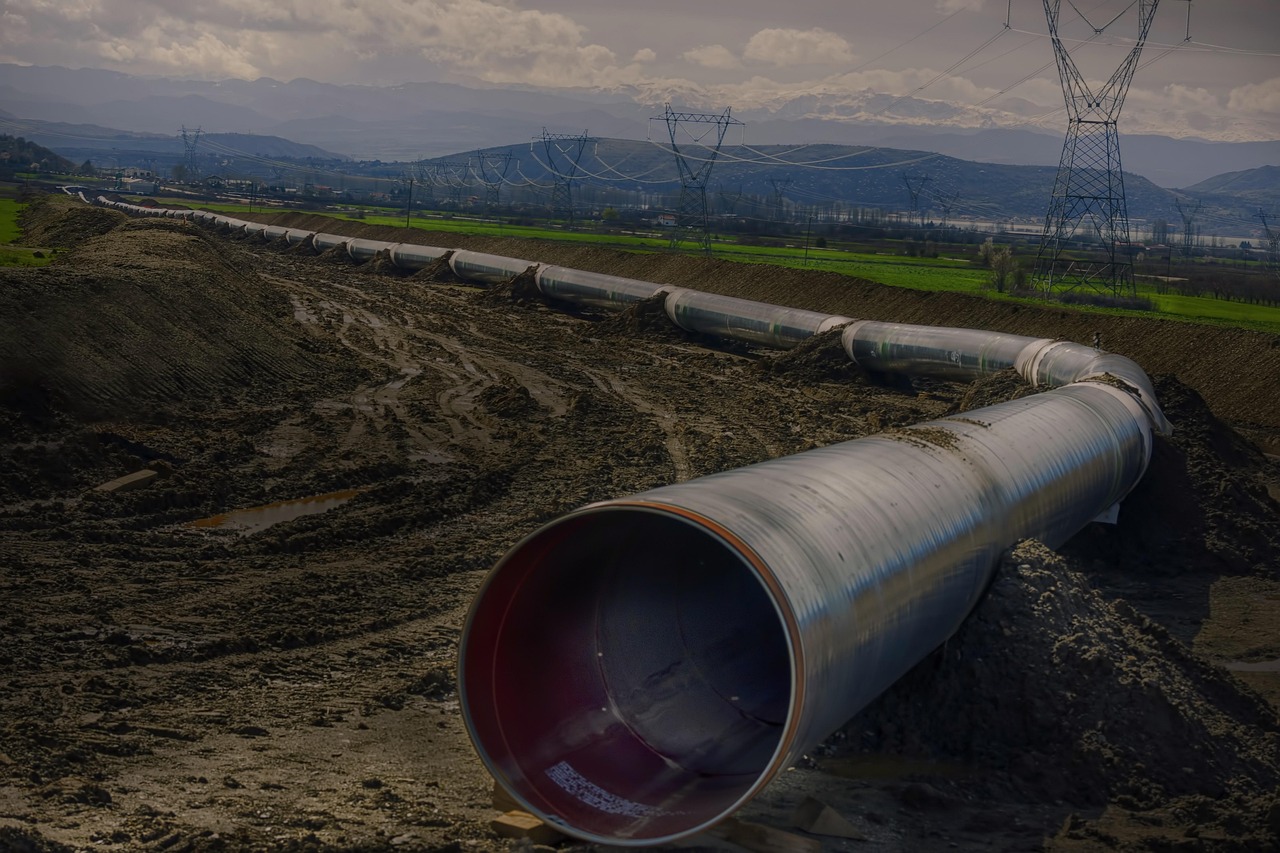
This project aims to expand the country's presence in foreign markets and reduce its heavy reliance on the United States for oil exports, a major issue for anyone following North American geopolitics.
On July 3, 2026, Canadian Prime Minister Mark Carney and Alberta Premier Danielle Smith announced the green light for a monumental new pipeline. Following intense negotiations between the province of Alberta and British Columbia (BC), the federal government reached a consensus by promising over C$150 billion in new investments for both provinces.
For international context, Alberta is Canada's energy heartland, landlocked and heavily dependent on US refineries. The main project is a new pipeline that will follow the route of the existing Trans Mountain system before branching off to a new terminal. According to the Alberta government, this infrastructure will have the capacity to transport 1 million barrels of oil per day to international markets, particularly Asia.
A key component of the agreement was Carney's decision to maintain the historic federal ban on oil tankers loading or unloading along BC's pristine northern coast. Marilyn Slett, president of the Coastal First Nations, described the announcement as a good day, emphasizing that there is currently no technology to clean up oil spills in such fragile marine environments.
BC Premier David Eby stated that his government will not fight the project after securing strong environmental safeguards and fair compensation for the environmental risks the province is assuming.
In November 2025, a preliminary agreement regarding this pipeline caused the resignation of then-Culture Minister Steven Guilbeault, a former environmental activist, who denounced the lack of consultation with Indigenous peoples. Consultations will now begin immediately to reverse this scenario.
However, the Climate Action Network criticized the continuous expansion of fossil fuels, arguing that climate change, not trade partners, is the greatest source of instability. Experts from the Pembina Institute also warned that taxpayers will assume 90% of the project's cost, which could rise to tens of billions of dollars, raising questions about the economic profitability of the initiative.
The Trans Mountain system (TMEP) is an oil pipeline network running between Edmonton, Alberta, and Burnaby, British Columbia. Its previous expansion was one of the largest infrastructure cost overruns in Canadian history. The new route will seek to avoid repeating those economic and environmental mistakes, although the debate over its viability remains open.

Alfredo S. Quiroga
