


08/07/2026 21:06 - Internacionales
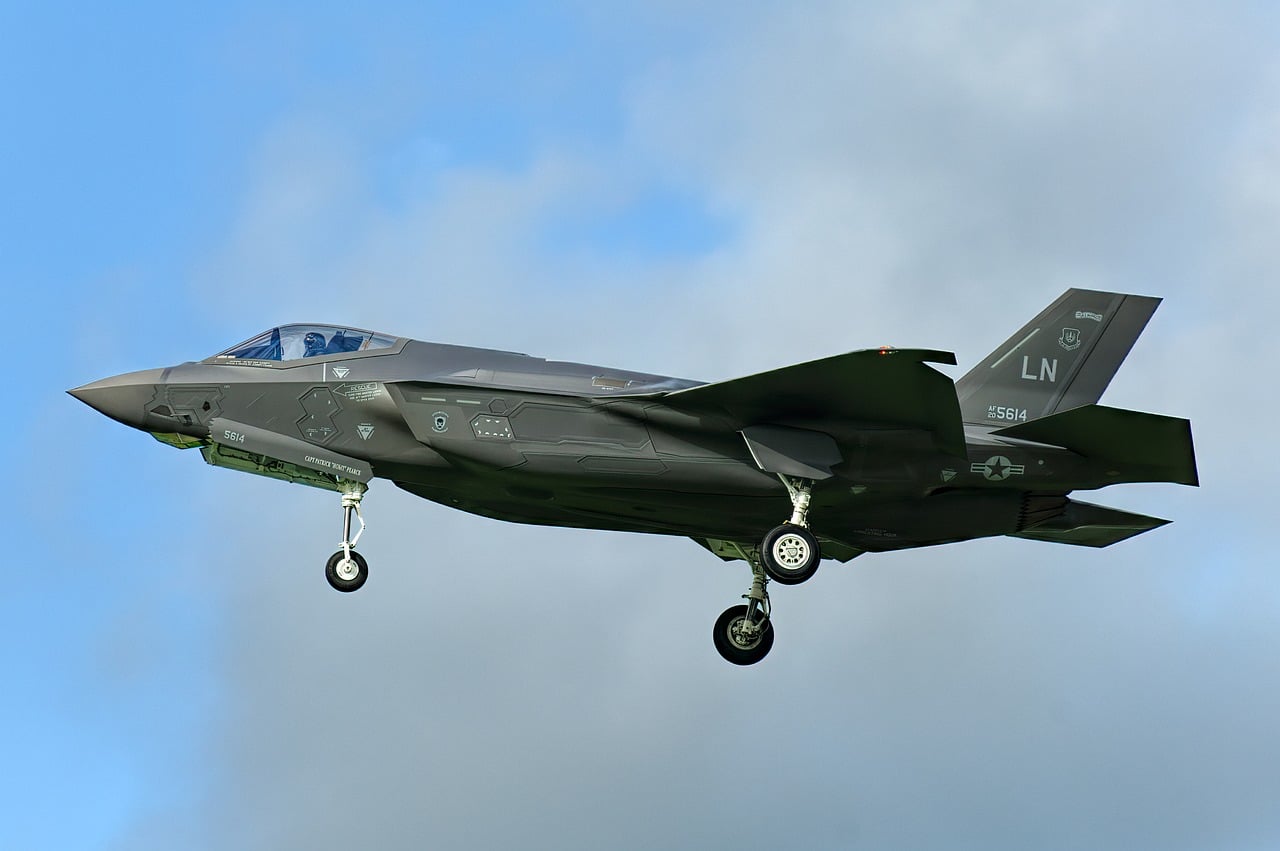
On July 8, 2026, US President Donald Trump declared the ceasefire with Iran over. This truce had been signed just weeks earlier, on June 17, 2026. According to a report by the Argentine media outlet El Día, the United States Central Command (Centcom) confirmed the initiation of additional attacks aimed at reducing Iran's capacity to threaten maritime navigation.
The US offensive was launched in retaliation for the Iranian bombing of at least three commercial vessels in the highly strategic Strait of Hormuz. To understand the gravity of this, it is important to note that the Strait of Hormuz is a narrow, strategically vital channel between the Persian Gulf and the Gulf of Oman, through which nearly a fifth of the world's oil supply passes. US forces targeted more than 80 objectives, including air defense systems, coastal radars, and 60 light vessels belonging to Iran's Revolutionary Guard. The Iranian state agency IRNA reported explosions in the port cities of Bandar Abbas, Konarak, and Chabahar.
The conflict has reignited fears in global markets. The price of a barrel of Brent crude from the North Sea jumped by 5.21%, settling at $78.02 USD, and even surpassed the $80 USD barrier during the trading session—a threshold not crossed in over two weeks.
Iran was quick to respond to the offensive. The Revolutionary Guards claimed to have launched attacks against US military installations in Kuwait and Bahrain. Fortunately, the international community is actively seeking peaceful pathways: UN Secretary-General António Guterres urged immediate measures to de-escalate the situation and resume dialogue. Additionally, mediators such as Pakistan and Qatar called for de-escalation, underscoring the critical importance of diplomatic channels.
The International Maritime Organization (IMO) reported that approximately 6,000 sailors are currently blocked in the Gulf due to the conflict. The Iranian government has been negotiating with Washington since June to find a lasting solution that will restore peace and tranquility to the region.
The armed conflict between the US and Iran originally began on February 28, 2026.

Alfredo S. Quiroga
