


29/07/2026 09:43 - Internacionales
Event date: July 28, 2026 | Sources: DW and Infobae
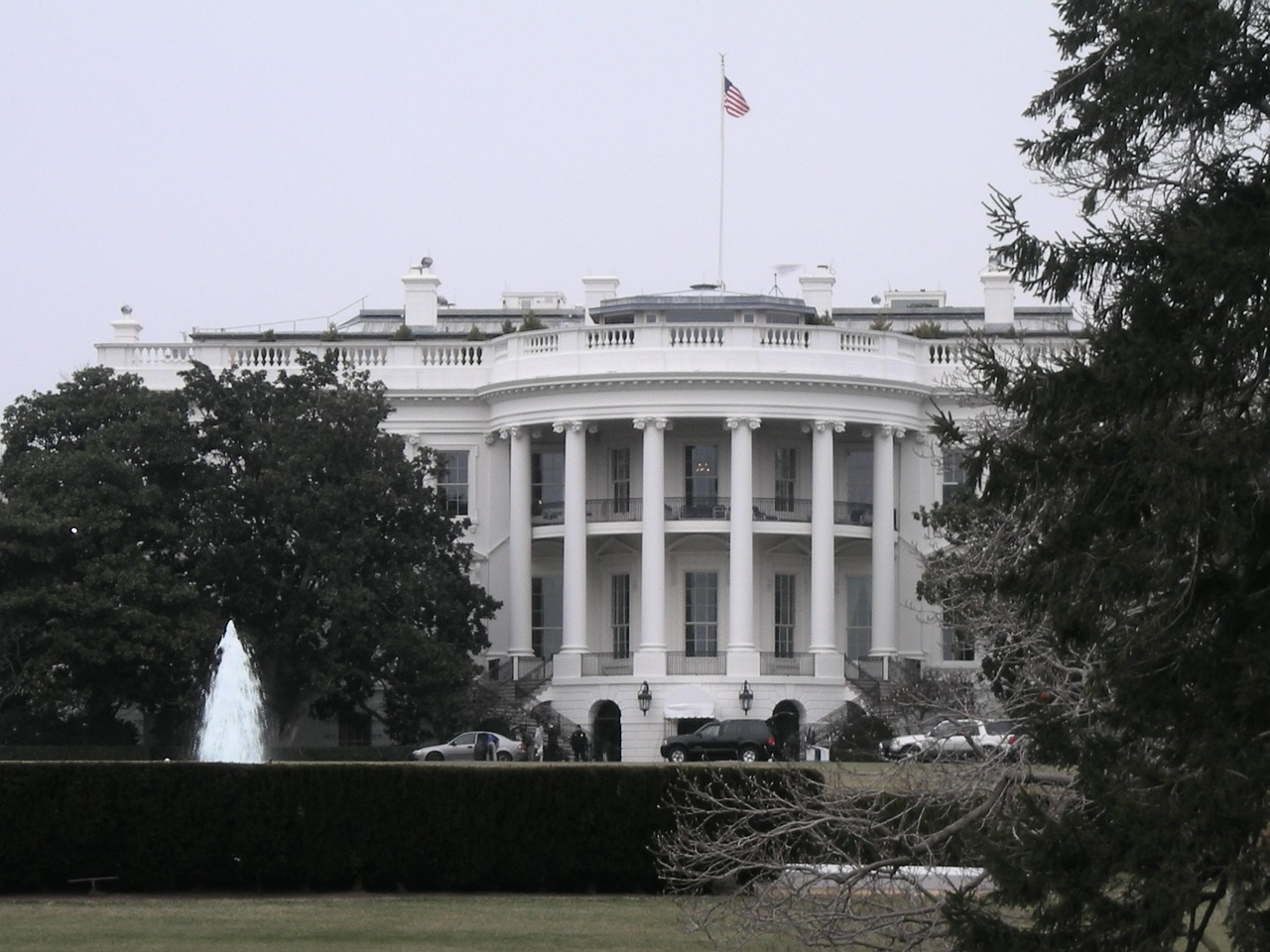
Israeli Prime Minister Benjamin Netanyahu arrived in Washington on July 27, 2026 for his eighth meeting with U.S. President Donald Trump since 2025. The closed-door session lasted nearly an hour and a half and marked the first face-to-face encounter between the two leaders since the start of the joint offensive against Iran on February 28, 2026.
Netanyahu called the meeting "great" and "one of the best" they have ever had, dismissing any cracks in the bilateral relationship. In an interview with Fox News, the Israeli leader described the alliance with Washington as a "granite wall", reaffirming that both governments share a top priority: preventing the Tehran regime from obtaining nuclear weapons, "whether through diplomatic means or other means."
Netanyahu's trip to the United States was not without geopolitical controversy. The official Israeli aircraft, which departed from the Nevatim airbase, overflew the airspace of Greece, Italy, France, and Canada — four states that are signatories to the Rome Statute, the founding treaty of the International Criminal Court (ICC).
This comes in the context of the arrest warrant issued in November 2024 by the ICC against Netanyahu for alleged war crimes and crimes against humanity. Although the ICC lacks direct enforcement mechanisms, signatory countries are theoretically obligated to detain individuals with an arrest warrant if they enter their territory or airspace — though in diplomatic practice this is rarely enforced for leaders in transit.
Tensions escalated locally in the U.S. when the mayor of New York, Zohran Mamdani, asked federal authorities to arrest the Israeli leader if he visited the city for the upcoming United Nations summit. However, Trump was categorical in dismissing any action on U.S. soil, stating that Netanyahu "will not be arrested" during his stay.
The main focus of the meeting was Iran. The encounter took place at a time of maximum tension following a recent exchange of missile attacks. According to the U.S. military, Iran launched multiple ballistic missiles against American forces deployed in the region, all of which were intercepted. Simultaneously, Iran's Revolutionary Guard claimed attacks on U.S. military installations in Jordan.
Trump said he knows exactly "what is happening at Pickaxe," referring to the alleged underground Iranian nuclear complex located in the mountains of Natanz. An Israeli official cited by the Associated Press indicated that Netanyahu reiterated Israel's readiness to respond to any direct attack from Iran, while trusting the U.S. judgment to manage any potential escalation.
Another point of friction discussed was the possible sale of F-35 fighter jets to Turkey, to which Israel objects. Additionally, the leaders discussed requests for the withdrawal of Israeli troops from Gaza, Syria, and Lebanon.
Netanyahu committed not to obstruct U.S.-led reconstruction and stabilization efforts. In southern Lebanon, Israel agreed to allow a limited deployment of the Lebanese army in villages where Hezbollah had operated. The next round of negotiations will take place in Rome.
After the meeting, Netanyahu, Trump, and Vice President JD Vance appeared together at the funeral of Senator Lindsey Graham, publicly demonstrating the strength of the alliance. The next elections in Israel are scheduled for October 2026.

Alfredo S. Quiroga
