


29/07/2026 18:46 - Internacionales
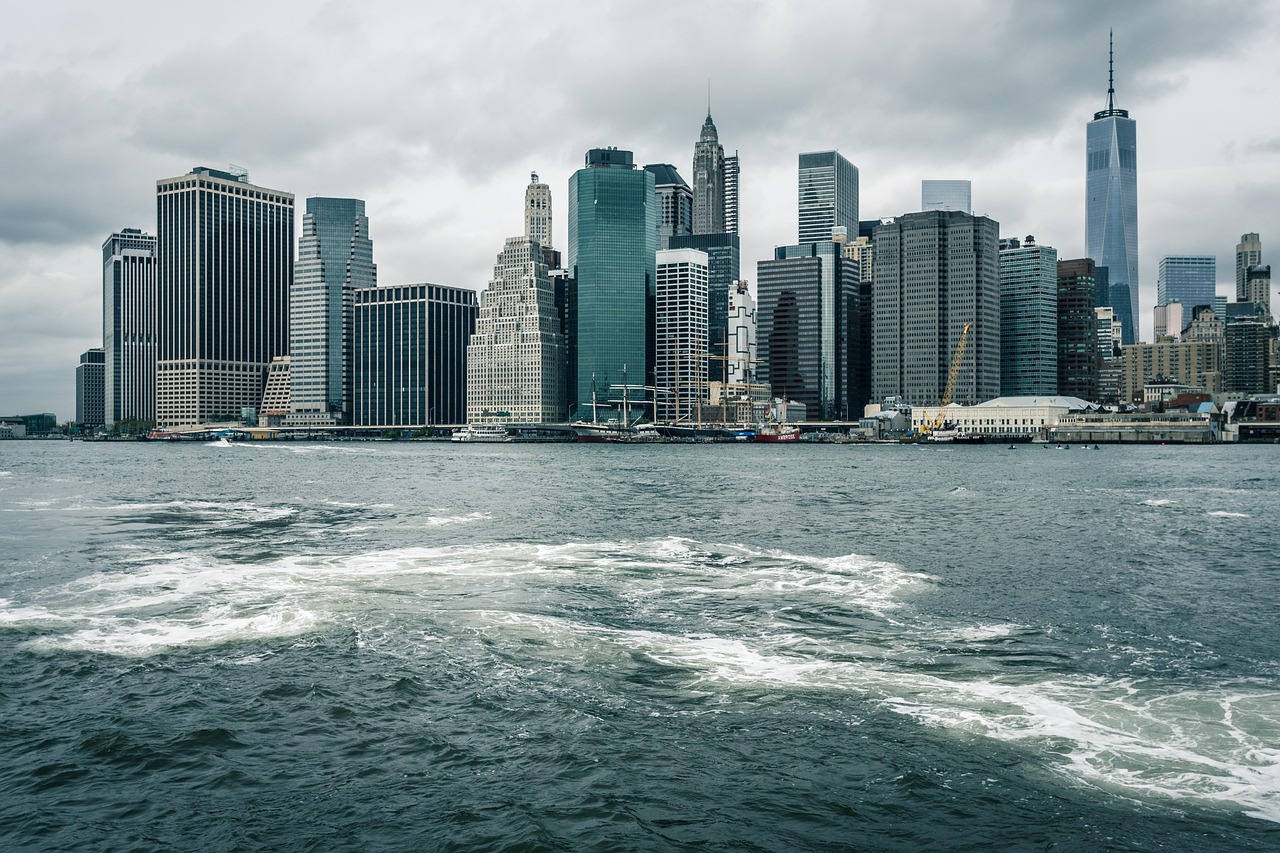
New York City Mayor Zohran Mamdani has implemented one of the most controversial fiscal measures in recent years: a new tax on second homes — known as the pied-à-terre tax — that levies properties valued at more than $5 million whose owners do not have New York as their primary residence. The tax took effect on July 1, 2026 and was approved with the backing of New York State Governor Kathy Hochul.
The city administration projects it will raise at least $500 million annually, though the city comptroller, Mark Levine, estimates the actual figure will be between $340 and $380 million and could decline over time. Funds are primarily earmarked for affordable housing programs and social policies.
The New York City Department of Finance published an online registry allowing searches for properties potentially subject to the new surcharge. The list includes the owner's full name, property address, and market valuation. Although authorities explained that the publication responds to a requirement of state law, the move ignited a heated debate about the balance between administrative transparency and personal data protection.
The registry contains more than 960,000 homes, far exceeding the 31,000 properties initially announced, and well above the 10,000 that Hochul's office estimates will ultimately be taxed. Many properties included do not fit the luxury profile: homes appear in working-class neighborhoods like Throggs Neck (Bronx) and Challenger Drive (Staten Island), with values between $500,000 and $800,000. Even the Breezy Point Shopping Center, a small outdoor mall in Queens, is listed.
The registry includes personalities from film, fashion, finance, and politics. Among the most notable names:
Also listed are more than a dozen apartments at Trump Park Avenue, an exclusive building where at various times Ivanka Trump, Jared Kushner and Michael Cohen, Donald Trump's former lawyer, resided.
A pied-à-terre (literally "foot on the ground" in French) is a second home used occasionally, typical of wealthy individuals who primarily live in another city or country. The tax specifically targets these high-value properties that are not the owner's primary residence. Depending on the property's price, the fiscal burden can increase the annual tax bill by tens or hundreds of thousands of dollars.
The publication of the registry drew backlash from multiple sectors. David Carr, the Republican minority leader in the City Council — whose own name appears on the list — called the measure "reckless and absurd." Democratic Councilmember Gale Brewer questioned its accuracy: "I have lived in my house 365 days a year since 1994. So this whole list must be wrong."
Staten Island Borough President Vito Fossella also appears in the database, though he did not receive a formal letter. He explained that the property is the house where he grew up and where his father still lives, and warned about the risk of creating an "enemies list" that stigmatizes homeownership.
Steven Fulop, president of Partnership for New York City, one of the most influential business organizations, stated that publishing names and addresses sets a dangerous precedent that could affect the safety of people who have committed no wrongdoing. James Whelan, president of the Real Estate Board of New York, argued that the database shows the tax is much broader than originally presented.
An 81-year-old woman living on the Upper East Side received a letter demanding she prove her primary residence by August 21, under threat of a $56,000 payment. She said she has lived in her townhouse full-time for three decades.
Eugen Dooley, a Staten Island homeowner, appears in the database but did not receive a notification. Retired, his only income is Social Security. "That's basically the money I get," he said.
The Curry family, from Annadale Street, was also included. Thomas Curry said: "I think it's ridiculous," while Debra Curry emphasized that the list includes working-class families, children, and grandchildren, disproving the notion that it only affects the super-rich.
Billionaire Ken Griffin, whose Forbes fortune is estimated at $50 billion, already had a public clash with Mamdani when the mayor filmed a video in front of Griffin's $238 million penthouse to promote the tax. Griffin called the video "creepy and weird" and warned it could put him in danger. In 2022, Griffin moved Citadel's global headquarters from Chicago to Miami after years of criticizing fiscal policies and crime, and warned that New York could face similar consequences.
City authorities reiterated their commitment to applying the tax "fairly and efficiently." The city set up a dedicated website and hired additional staff to answer questions and guide those who received letters. August 21 is the deadline for owners to submit documentation proving their primary residence and avoid the surcharge. A Department of Finance spokesperson clarified that not all owners included in the list will receive a notification.
The tax was approved this year by the state legislature following a campaign driven by Mamdani, a representative of the socialist wing of the Democratic Party. During his election campaign, he promised to improve housing access, strengthen public services, and reduce the cost of living, financing it with higher taxes on the wealthiest residents. Hochul rejected most of the tax increases proposed by Mamdani but did support this specific tax on luxury second homes. The debate reignites a central question: can New York ask more from its richest residents without weakening the tax base that sustains the city?
Sources: Clarín, Infobae, El Economista, Yahoo Noticias / New York Post, Fox News. Publication date: July 29, 2026.

Alfredo S. Quiroga
