


29/07/2026 18:52 - Internacionales
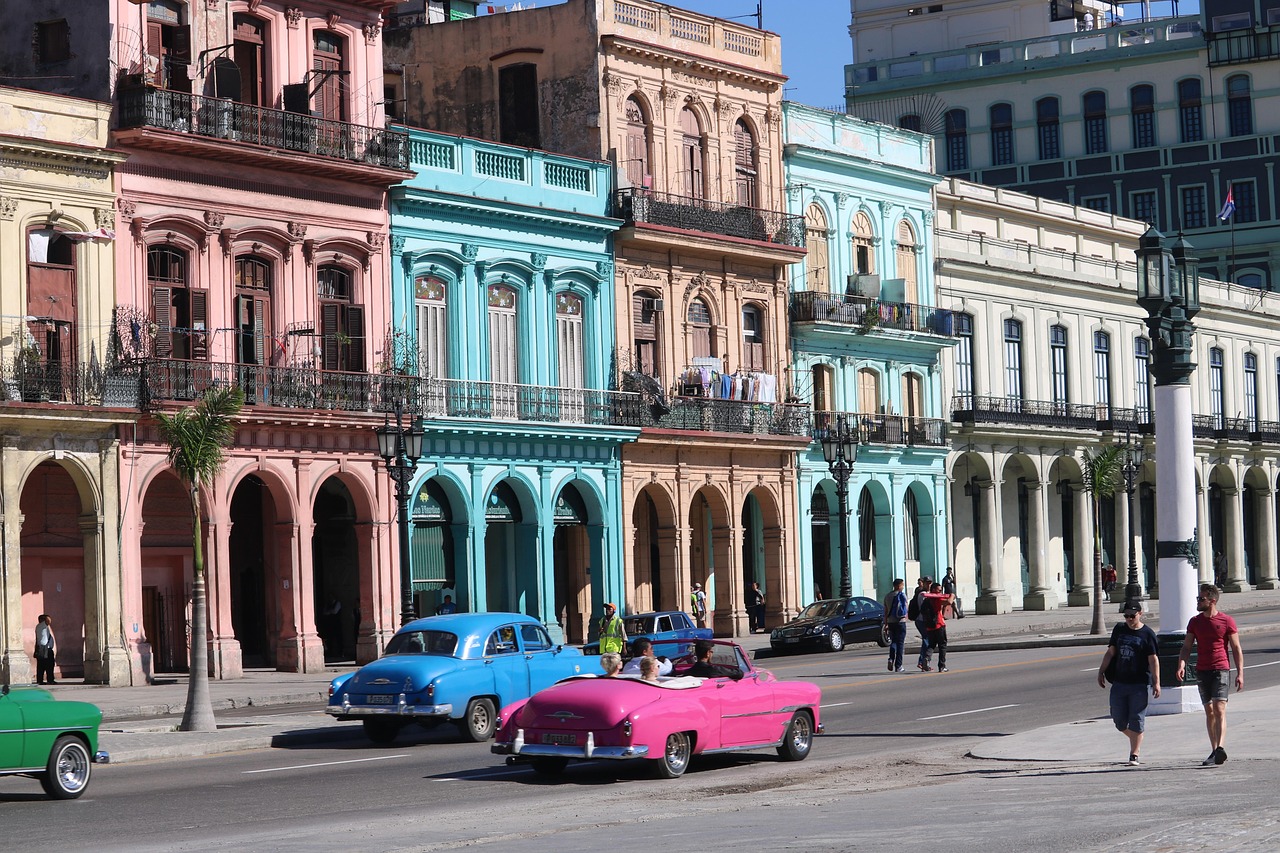
The Republic of Cuba published a sweeping package of 176 economic and social reforms in its Official Gazette on July 29, 2026, opening strategic sectors to private enterprise for the first time in decades. The reforms, approved by Parliament and the Communist Party in June 2026, aim to liberalize and decentralize the economy to combat an unprecedented crisis and the tightening of U.S. sanctions since January 2026.
For international readers: Cuba has maintained a state-controlled economy since the 1960s. Small private businesses were only legalized in 2021. Now, the government is allowing private micro, small, and medium enterprises (known as mipymes) and foreign investors to enter areas once reserved exclusively for the state.
Previously, a list of 125 activities were banned for the private sector. Under the new rules, 46 of those were completely removed and authorized without restrictions, while another 35 were relaxed to allow private participation. Only 44 activities remain fully prohibited.
Lázara Mercedes López Acea, president of the National Institute of Non-State Economic Actors, stated that these measures “are not heading toward privatization of the economy”, as the socialist state enterprise maintains its “fundamental role”. However, she acknowledged giving “more participation to non-state economic actors”.
Since 2021, Cuba has allowed the creation of small and medium enterprises. Today, more than 15,600 mipymes operate on the island, employing over a third of the active workforce. These businesses have become a lifeline for many Cubans.
Ana Diego, a 66-year-old Havana resident, expressed hope: “Everyone knows that right now we are surviving thanks to the mipymes. We have to find some solution, because the reality is that people are without medicine, without food.”
GDP contraction: 15% cumulative between 2020 and 2025.
Blackouts: 74% of the country was simultaneously without power at peak demand.
U.S. pressure: De facto oil blockade and additional sanctions since January 2026.
Despite this historic opening, the Cuban regime will keep exclusive control over sectors considered pillars of the Revolution and national sovereignty. Hospital medical care remains free and a state responsibility, as does formal education.
Other reserved sectors include:
As part of the reorganization, the government will reduce its administrative structure from 27 to 20 ministries. Prime Minister Manuel Marrero argued that a country in a complex situation cannot sustain such an extensive bureaucracy.
Additionally, a new Housing Law will allow citizens to own up to two properties and facilitate mortgages. In the agricultural sector, private producers will be formally recognized, and the state will expand land grants in usufruct, aiming to alleviate chronic food shortages.

Alfredo S. Quiroga
