


A Tragedy on the World's Largest Artificial Lake
At least 44 people have died following the capsizing of an overloaded ferry on Lake Kariba in Zimbabwe. The incident occurred on Tuesday, August 11, 2026, as the boat was sailing towards islands and fishing camps.
According to authorities, the death toll was updated throughout Wednesday. The Zimbabwe Civil Protection Unit (CPU) detailed that the vessel had a maximum capacity of 90 people, but was transporting 114 adult passengers, 5 crew members, and an undetermined number of children. A crew member told the national broadcaster ZBC that there were 153 people on board at the time of the accident.
Details of the Shipwreck
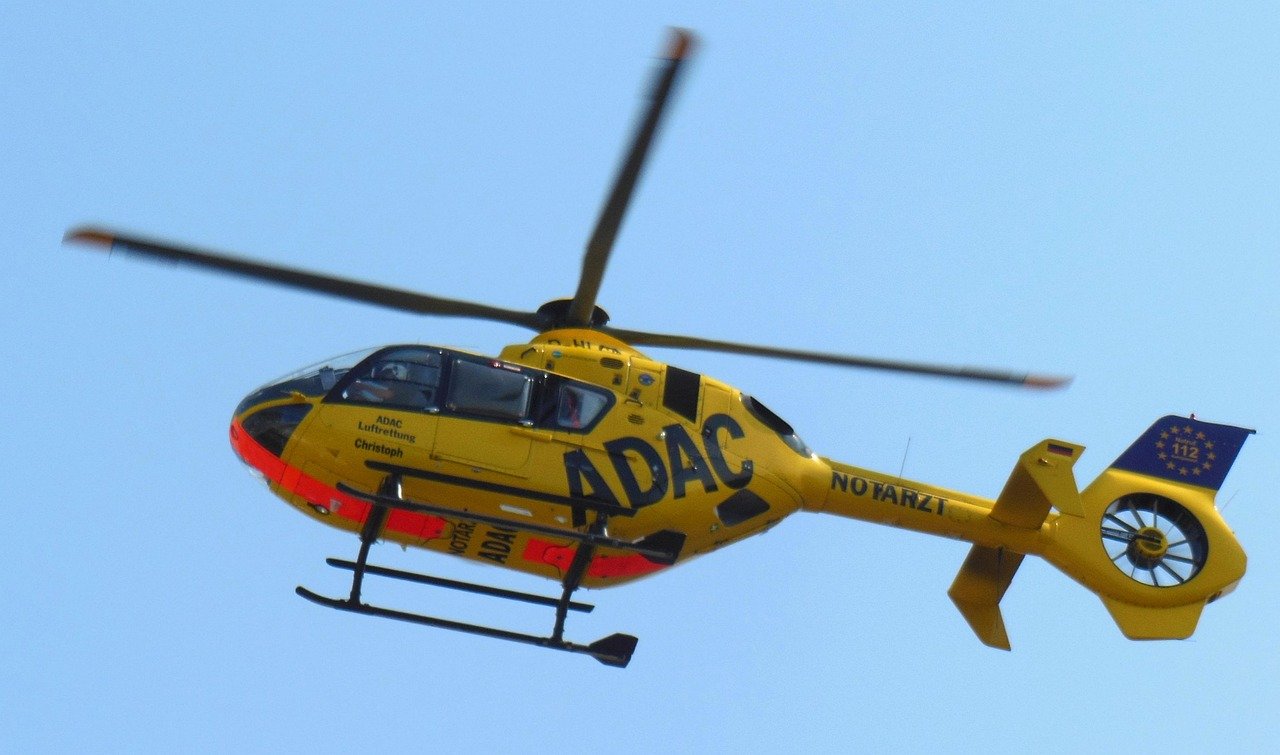
A passenger recounted that the boat began taking on water approximately 30 minutes after departing from the lakeside town of Kariba. The vessel capsized after hitting large waves. Videos shared on social media showed several survivors sitting on the overturned hull of the ferry, while rescue boats and a helicopter attempted to assist them. Search operations remain active with the assistance of a specialized diving team that was transported to the area.
What is Lake Kariba?
Lake Kariba is the world's largest artificial lake by volume, stretching about 240 kilometers (150 miles) along Zimbabwe's northern border with Zambia. It was created in the 1950s during British colonial rule by damming the Zambezi River, which required the displacement of around 57,000 people. Today, the Kariba Dam supplies at least one-third of the electricity for both countries.
History of Accidents
It is not uncommon for vessels to capsize on this lake. In 2014, 26 people (24 of them children) drowned in the Zambian part of the lake. On the Zimbabwean side, five people died in 2021 and three were pronounced dead in October 2023 in similar incidents.
Source: The Guardian