


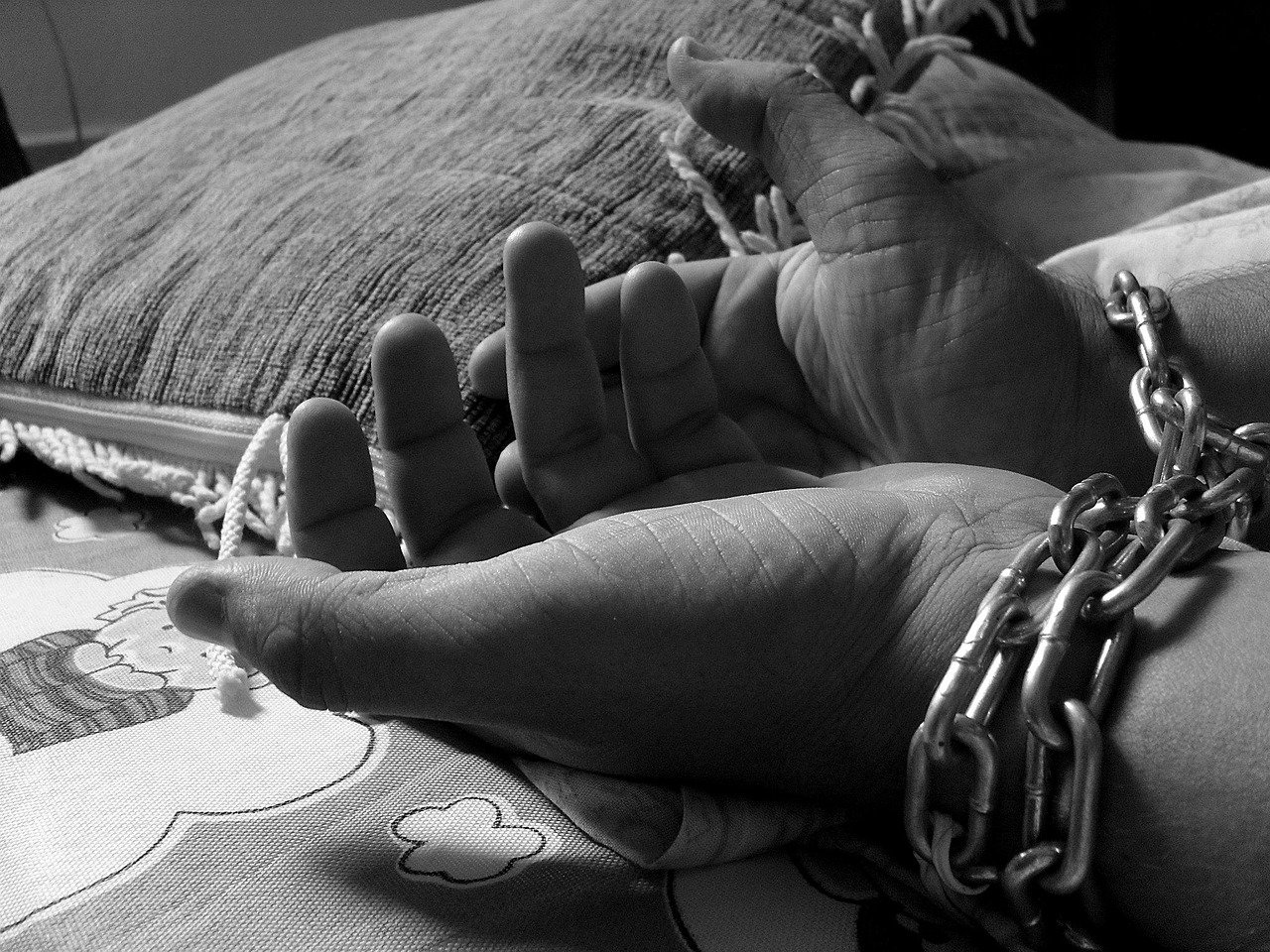
A Historic Step Toward Reconciliation
On August 14, 2026, the government of Venezuela, led by acting president Delcy Rodríguez, announced the release of 131 political prisoners through alternative measures to imprisonment. This decision, made by the country's courts at the request of the Public Ministry, follows the first round of dialogue between the chavista government and a sector of the opposition, a process promoted by the United States. The releases are part of the Program for Peace and Democratic Coexistence, created to evaluate the legal situation of individuals processed or convicted for crimes related to 'attacks against democratic institutions, peace, and the development of the Republic.'
'The Program ratifies that it will continue decisively supporting the initiatives of the national government and organized civil society aimed at fostering the reencounter among Venezuelans,' reads the official statement.
The Case of Emirlendris Benítez: A Symbol of Resistance
Among those released is Emirlendris Benítez, one of the most emblematic cases of political persecution in recent years. Benítez was arrested in August 2018 while four months pregnant, after being linked to the drone attack that targeted then-president Nicolás Maduro during a military event in Caracas. She was sentenced to 30 years in prison for charges including terrorism, treason, and attempted aggravated homicide.
During her imprisonment, Benítez suffered torture that caused severe physical damage: she lost her pregnancy and developed mobility issues that later required the use of a wheelchair. Her case drew international attention: the Inter-American Commission on Human Rights (IACHR) granted precautionary measures in her favor in 2020, and in 2022 the United Nations Working Group on Arbitrary Detention called for her immediate release.
Other Releases and Reactions
Benítez was released alongside five other women. The NGO Foro Penal confirmed at least 64 releases during the day, noting that the process was ongoing. 'It is important that the process of releases has restarted, but it is more important that it does not end until there is not a single political prisoner behind bars,' said Gonzalo Himiob, director of Foro Penal.
Also freed were Juan Carlos Marrufo, an Italian-Venezuelan electrical engineer arrested in 2019 and sentenced to 30 years, and his wife María Auxiliadora Delgado Tabosky. Additionally, a group involved in the Plaza Venezuela case—where hundreds were detained for allegedly placing an explosive in a public site in Caracas—were released from the Rodeo I prison.
U.S. Secretary of State Marco Rubio celebrated the releases as 'a crucial step for the country's reconciliation process' and noted that 1,046 Venezuelans have been freed since January 3, 2026.
Context: The Amnesty Law and Its Impact
These releases are framed under the Amnesty and Democratic Coexistence Law, promulgated on February 19, 2026, with the goal of consolidating reconciliation and social peace. According to official figures, more than 12,000 people had requested amnesty by May, with nearly 9,000 benefiting. A later balance after 200 days of management reported that 8,740 individuals had been granted benefits under the law.
The law promotes the civil reintegration of individuals processed for political reasons and is part of a comprehensive reform of the judicial system. However, human rights organizations caution that release under precautionary measures does not necessarily imply recognition of innocence, and many who leave prison remain subject to judicial restrictions.
The Committee for the Freedom of Political Prisoners especially celebrated Benítez's release but reminded that there are still people deprived of liberty for political reasons: 'The struggle does not end here,' the organization stated.