


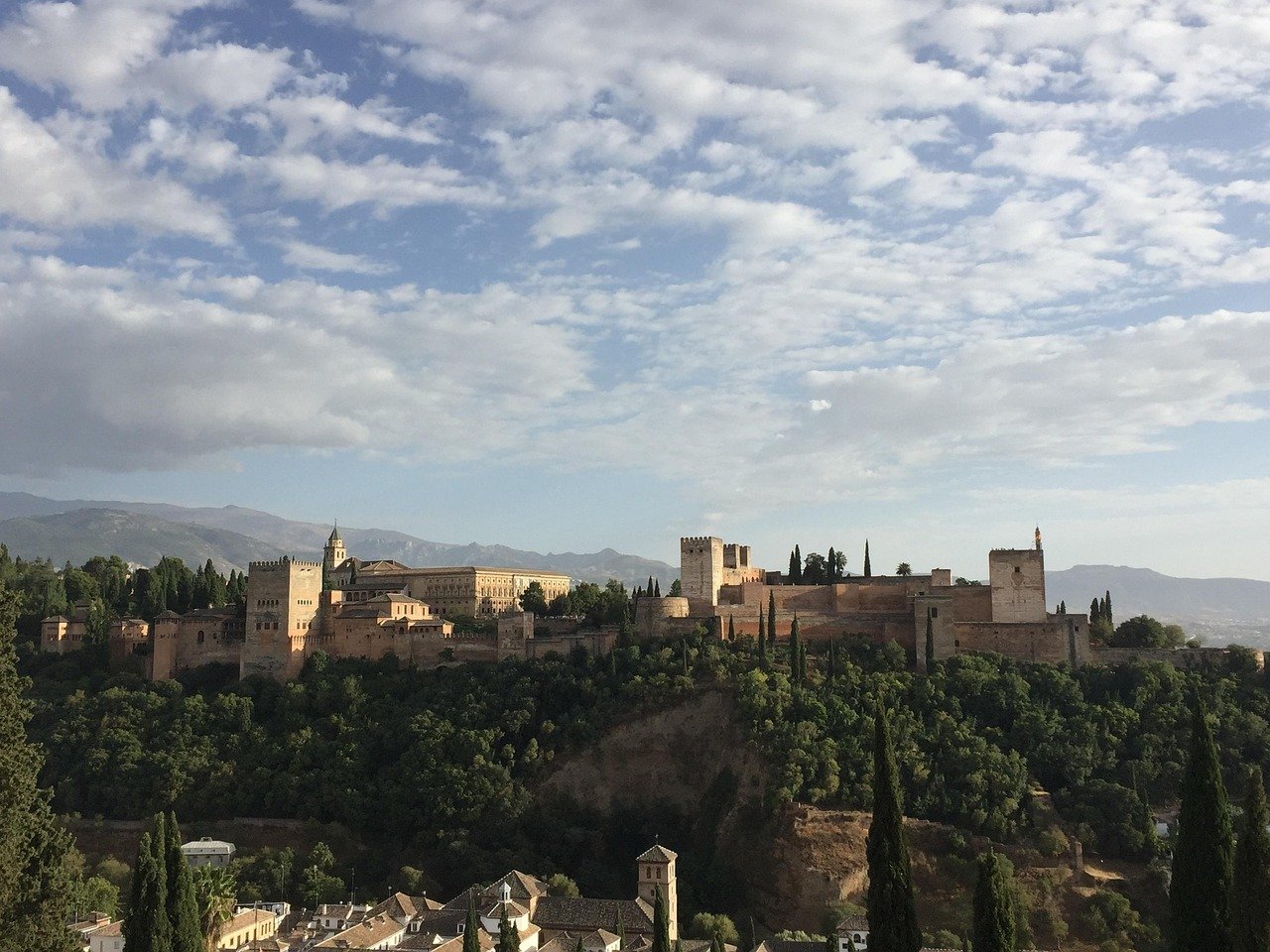
A Tremor That Woke Up Half of Andalusia
The earth roared again in southern Spain. At 1:04 AM on Saturday, August 15, 2026, an earthquake of magnitude 4.8 (according to the National Geographic Institute, IGN) shook the province of Granada, with its epicenter located 2 kilometers from Alhendín and at a depth of 10 kilometers. The movement was clearly felt by the population, who experienced moments of panic in the middle of the night.
The quake, which some sources raised to magnitude 5, was felt with special intensity in towns such as Las Gabias, Villa de Otura, and Churriana de la Vega, where falling objects and moving furniture were reported. But its reach was much greater: the tremor was noticeable in all Andalusian provinces except Huelva and Cádiz, including the coast of Almería (Roquetas, El Ejido, Adra), the coast of Málaga (from Fuengirola to Vélez-Málaga), and points in Jaén such as Alcalá la Real, Linares, or Jódar. It was even perceived, with lower intensity, in Ciudad Real, Albacete, and Madrid.
Key Data of the Earthquake
- Magnitude: 4.8 (IGN) / 5 (other sources)
- Epicenter: Alhendín, Granada
- Depth: 10 km (IGN) / 2 km (other sources)
- Time: 01:04 (early Saturday morning)
- Calls to 112: more than 80
- Damage: rockfalls, falling facades and roofs
Material Damage and Activation of Emergency
The 112 emergency service of Andalusia received more than 80 calls from residents alerting about the tremor. Rockfalls, falling elements of facades and roofs were confirmed in various points of the metropolitan area of Granada, especially in Armilla, where material damage was most evident.
Given the magnitude of the quake, the Junta de Andalucía (regional government) activated the emergency phase, operational situation 1, of the Seismic Risk Plan. The Minister of the Presidency, Health and Emergencies, Antonio Sanz, announced the measure and asked the population to remain calm, avoid entering and leaving buildings, and stay away from facades, cornices, balconies, or walls due to the risk of falling debris.
Aftershocks and Seismic Activity in the Area
The main earthquake did not come alone. Six minutes later, a second quake of magnitude 2.6 with epicenter in Gójar (only 1 km deep) was felt again. During Friday, three smaller tremors had already been recorded in the same area of the metropolitan area of Granada.
According to the IGN, in the last week 12 earthquakes have occurred in the area, adding up to 32 so far in August. This Saturday's quake is the strongest recorded in recent times, surpassing the one on July 26, which reached magnitude 3.7. This seismic activity is common in the region, located near the contact between the Eurasian and African plates.
How to Report and What to Do
The IGN has made available to citizens a macroseismic questionnaire so that those who felt the tremor can report their experience (whether they were asleep, if objects moved, etc.). This data is essential to calculate the real intensity of the quake and its possible damage. This tradition dates back to the 1755 Lisbon earthquake, when King Ferdinand VI promoted the first questionnaires of this type.
Authorities recommend, in case of aftershocks: remain calm, take shelter in safe places (under sturdy tables or door frames), and avoid using elevators during the movement. The Junta de Andalucía continues to monitor the situation and assess damage in the most affected areas.