


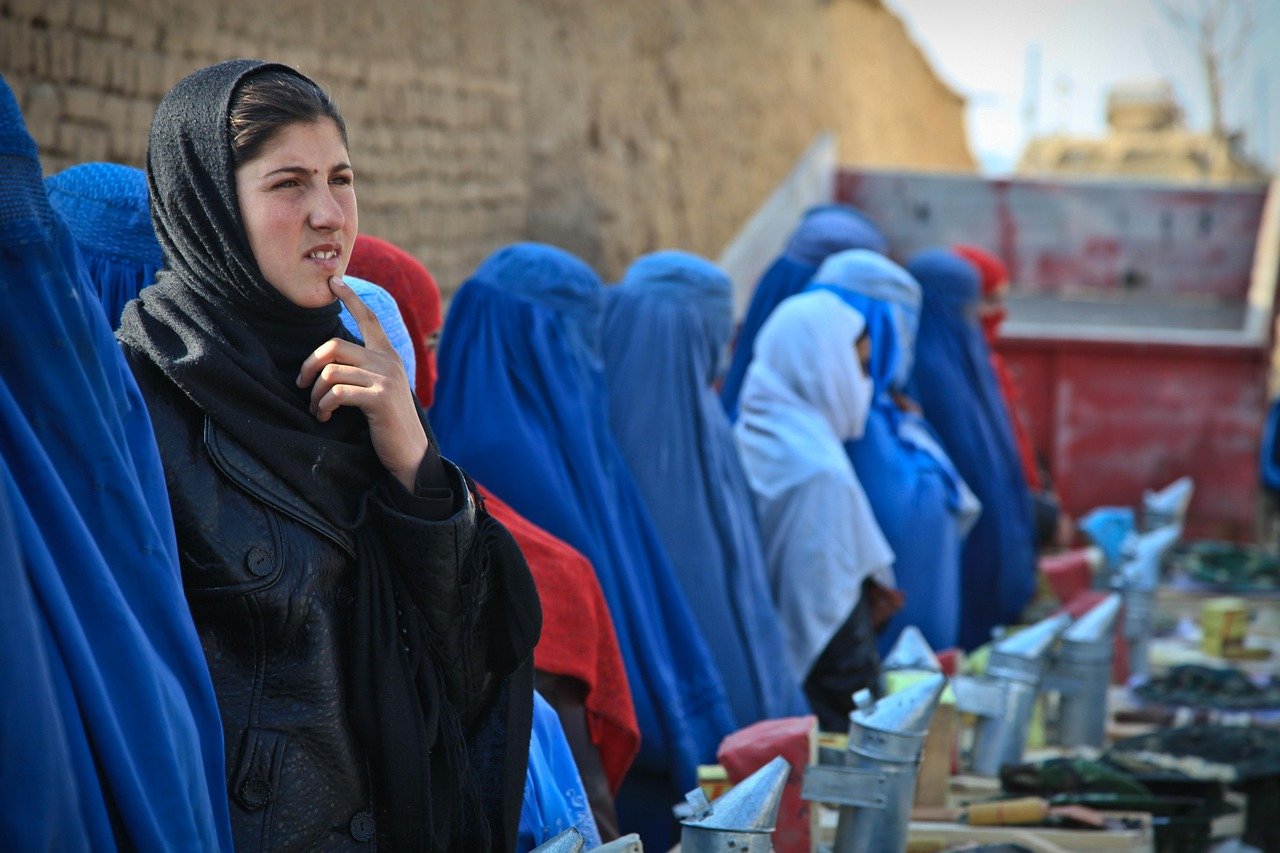
A Somber Anniversary Marked by Pain and Resistance
On August 15, 2026, exactly five years have passed since the Taliban seized control of Afghanistan, a takeover that radically transformed the lives of millions, especially women and girls. The international community watches with concern as the regime consolidates power while the country sinks deeper into a humanitarian, economic, and security crisis.
BBC's chief international correspondent, Lyse Doucet, described in a special video the daily 'battles' Afghans face: from food shortages to systematic repression of women. The cost of living has skyrocketed, and drought exacerbates an already critical situation.
Women Erased from Public Life
According to UN Women, 80% of Afghan women are now excluded from the workforce and education. Since 2021, the Taliban have issued more than 130 edicts that dangerously curtail their rights. Girls over 12 are banned from attending school, and women cannot travel without a male guardian (mahram) or work in most sectors.
UN Special Rapporteur Richard Bennett has called this situation a 'gender apartheid' that constitutes a 'crime against humanity'.
Heartbreaking Testimonies
The Spanish newspaper El País published the stories of three young Afghan women: Soobabeh (23), Mitra (21), and Motahara (18). Soobabeh, who was studying medicine, confesses: 'The person I was until August 15, 2021, no longer exists. I was alive, and now it's almost as if I had died.' Motahara, from Herat, describes the constant fear of being detained: 'If I went out today, I'd have to go with my father or brother, cover myself entirely, hide my face, and even wear gloves. It's 45 degrees, and I suffocate.'
Mitra, in Kabul, says even buying clothes has become painful: 'We can no longer choose how we dress; you don't feel pretty, and that hurts when you're young.' All three suffer from insomnia, migraines, and anxiety attacks.
The Conflict with Pakistan: A Ticking Time Bomb
While the Taliban regime seeks to consolidate internationally, 2026 marked the definitive explosion of the conflict with Pakistan. In February of this year, the Pakistani government bombed Kabul, the Afghan capital, in an operation that Defense Minister Khawaja Asif described as an 'open war' against the Taliban.
Chinese mediation achieved a truce, but hostilities continue. Pakistan accuses the Afghan Taliban of harboring and funding the Tehrik-e-Taliban Pakistan (TTP), responsible for serious cross-border attacks. Each skirmish causes temporary closures of vital border crossings for Afghanistan's economy, such as Torkham.
According to the Pakistan Institute for Conflict and Security Studies (PICSS), 2025 was the deadliest year since tracking began: 3,413 deaths, a 124% increase from the 1,950 in 2024.
Mass Deportations and Humanitarian Crisis
Pakistan has been running a mass deportation campaign of Afghans since October 2023. More than 2.5 million have returned from Pakistan, a figure that rises to nearly 6 million when including returns from Iran. The Norwegian Refugee Council warns these returns will be the main challenge for Afghanistan in the future.
The UN estimates that two-thirds of the population needs humanitarian assistance, and drought worsens food insecurity.
Partial International Consolidation
Despite the conflicts, the Taliban regime has made diplomatic strides. In June 2026, a Taliban delegation visited the European Union for the first time since their return to power, a gesture confirming de facto acceptance by the international community. Russia is the only country that has openly resumed full diplomatic relations, but China, Iran, Uzbekistan, India, United Arab Emirates, Qatar, Saudi Arabia, and Turkey have strengthened ties for economic, migratory, and humanitarian reasons to avoid a total collapse.
However, the diplomatic victory is incomplete: the conflict with Pakistan remains a thorn in the regime's side and a threat to regional stability.