


Colombia's Deadliest Earthquake in Recent Memory: Update on Fatalities and Destruction
The National Unit for Disaster Risk Management (UNGRD) has released an updated official toll for the devastating earthquake of magnitude 7.4 that shook Colombia on August 10, 2026. Nine days after the disaster, the number of confirmed deaths has reached 312 people, while injuries total 4,611 and at least 290 individuals remain missing.
In a glimmer of hope, authorities report that 358 people were pulled alive from the rubble during search-and-rescue operations, which are still concentrated in the municipalities hardest hit in the western part of the country.
Understanding the Earthquake
An earthquake of magnitude 7.4 is classified as strong and can cause severe damage to populated areas near its epicenter. The tremor originated near San José del Palmar in the department of Chocó, on Colombia's Pacific coast—a seismically active region where the Nazca and South American tectonic plates collide. This plate boundary is responsible for many of the largest quakes in South America's history.
Massive Destruction: Homes, Hospitals, and Infrastructure
The UNGRD report reveals staggering numbers: 27,000 homes were completely destroyed and another 134,124 suffered partial damage. Additionally, 277 buildings collapsed in the affected area.
- Health: 335 health centers damaged
- Education: 3,421 educational institutions damaged
- Community: 4,028 community centers affected
- Roads: 432 roads, 97 aqueducts, and 52 vehicular bridges damaged
- Aviation: 5 airports closed indefinitely
Fatalities by Region
According to authorities, the city of Cali has seen the highest number of casualties with 144 deaths, followed by Pereira with 107 deaths. Other municipalities with reported fatalities include Quibdó, Buenaventura, Buga, Roldanillo, and Manizales. Among the 312 dead, 306 have been identified and their bodies have been handed over to families. Tragically, 24 children are among the victims.
Humanitarian Impact
In total, the quake has affected 294,278 individuals within 143,470 families, according to official reports. Emergency shelters have been set up in parks and squares in the most stricken cities.
Relentless Search for the Missing
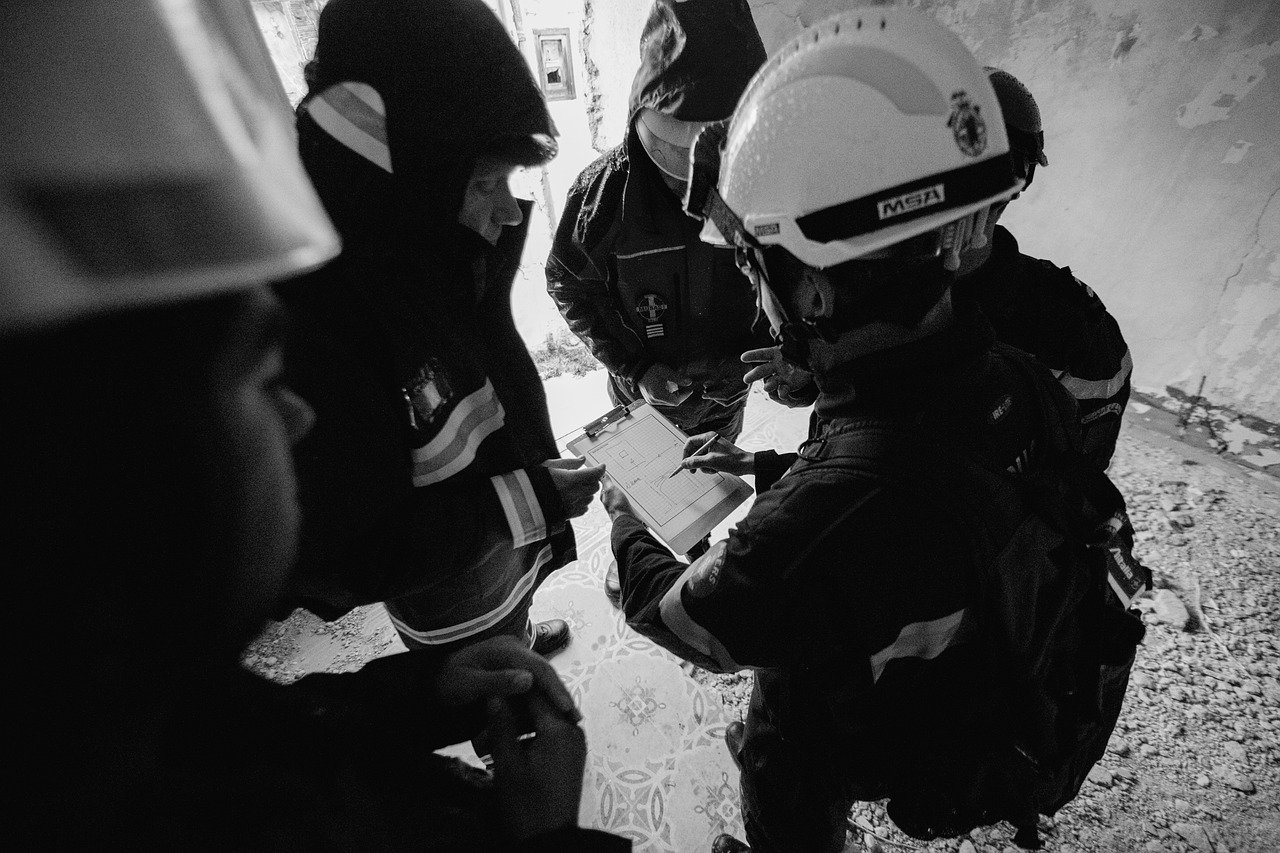
Rescue teams—both national and international—continue to work through the debris, using sniffer dogs, geophones, and careful manual digging. The UNGRD has deployed additional brigades to critical points where structures remain unstable.
International teams have contributed 144 specialized rescuers to the operations, and the Colombian Foreign Ministry reports that more than 220 tons of humanitarian aid have arrived from around the world.
Global Support and Argentina's Mission
Solidarity from the global community is tangible. The United Nations released $30.5 million in immediate aid, the European Union contributed €2 million, and the World Bank disbursed $200 million for basic infrastructure reconstruction.
Within bilateral cooperation, Argentina has activated Operation Colombia, sending a contingent of 32 Argentine Army personnel along with two aircraft: a C-130 Hercules and an Embraer RJ-140. The Argentine Defense Minister, Carlos Presti, oversaw the deployment from El Palomar Air Base. The team is carrying a water purification plant, a field kitchen, 4,000 food rations, and communication equipment. The operation will be based in Quibdó, capital of Chocó—the hardest-hit region, whose jungle terrain makes access difficult.
Celebrity Support: Shakira and Howard Graham Buffett
Colombian superstar Shakira visited the destroyed areas over the weekend and pledged to raise $1 million to rebuild schools. Her roots lie in Chocó—her father was born there—so her gesture has touched hearts across the country. Additionally, businessman Howard Graham Buffett committed to building 10 schools.
Reconstruction Costs Estimated at $9.5 Billion
President Abelardo de la Espriella declared an economic and social emergency to accelerate resource allocation. The reconstruction plan will focus on four key areas: housing, health, education, and roads—the most affected sectors. The estimated cost: $9.5 billion.
While the country mourns, stories of survival and solidarity fuel hope. The 358 people pulled alive from the debris are proof that, even in the darkest moments, hope prevails.