


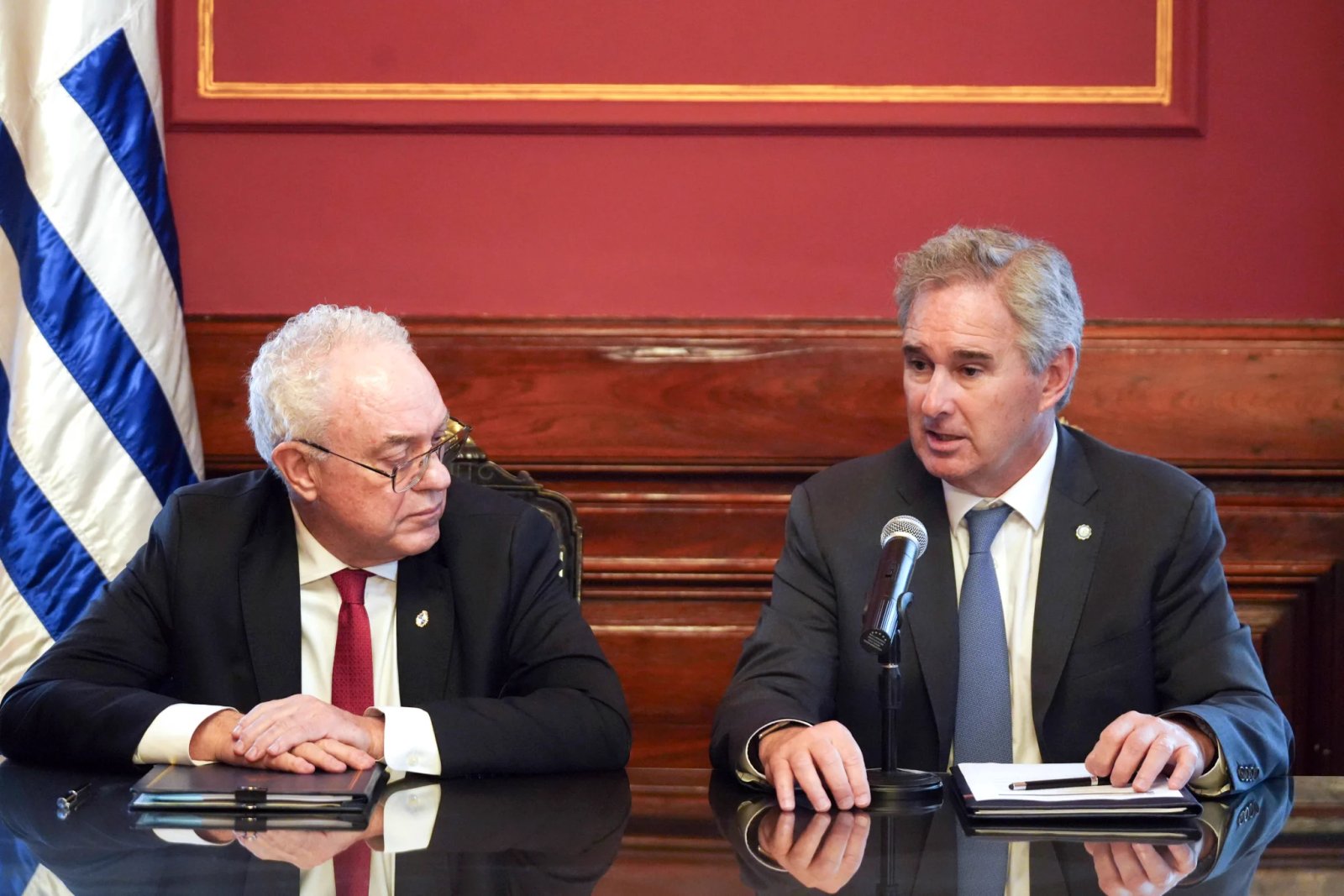
In a move that underscores the power of dialogue over discord, Uruguay has officially announced the relocation of the green hydrogen plant originally slated for the city of Paysandú. The decision, reached after months of diplomatic negotiations, has been celebrated as a triumph of diplomacy and a model for resolving cross-border energy disputes in Latin America.
The announcement, made on September 3, 2026, brings an end to a period of uncertainty and tension between Uruguay and Argentina, particularly with the neighboring province of Entre Ríos. While the exact new location and technical details have not yet been fully disclosed, official sources confirm that the decision was the result of an unprecedented bilateral agreement.
What is Green Hydrogen and Why Does It Matter?
To understand the significance of this announcement, it's essential to grasp what green hydrogen is. It's a clean fuel produced through a process called electrolysis, which uses electricity from renewable sources (like solar or wind) to split water into hydrogen and oxygen. Unlike gray hydrogen (produced with fossil fuels), its production emits no carbon dioxide (CO2), making it a cornerstone of the global decarbonization effort.
The Paysandú project had generated high hopes for turning Uruguay into a regional hub for clean energy. However, it also raised concerns in Argentina, particularly in Entre Ríos, due to its proximity to the border and potential environmental and safety impacts. The relocation addresses these concerns while keeping Uruguay's green energy ambitions on track.
Dialogue as a Tool
Sources close to the negotiations indicate that the announcement is the result of joint working groups and an exchange of diplomatic notes that intensified in recent weeks. The willingness to find a balance between energy development and territorial sovereignty was key to breaking the deadlock.
A Regional Precedent
This agreement sets a precedent in the region for resolving conflicts over cross-border infrastructure projects. Cooperation and mutual respect prevailed over confrontation, demonstrating that regional integration is possible even on highly sensitive issues.
Next Steps and Expectations
In the coming days, Uruguayan authorities are expected to hold a press conference to detail the new location, construction timelines, and associated investments. Meanwhile, the news is being celebrated as a diplomatic victory and proof that with political will, bilateral challenges can become opportunities for joint growth.
The relocation does not mean the project is canceled; rather, it's a strategic repositioning that allows the energy transition to proceed without unnecessary friction. This announcement reinforces Uruguay's leadership in the global race for renewable energy and opens the door to future collaborations in the region.