


A World Divided: The Berlin-Moscow Split
The Flash: Total Rupture
What was once a strategic partnership built on cheap gas and diplomatic pragmatism has reached a "freezing point."
The invasion of Ukraine in 2022 triggered the Zeitenwende (a German term meaning "turning point" or "change of era"). This pivotal shift has led Germany to sever almost all commercial and cultural ties with Vladimir Putin's Russia.
Critical Escalation
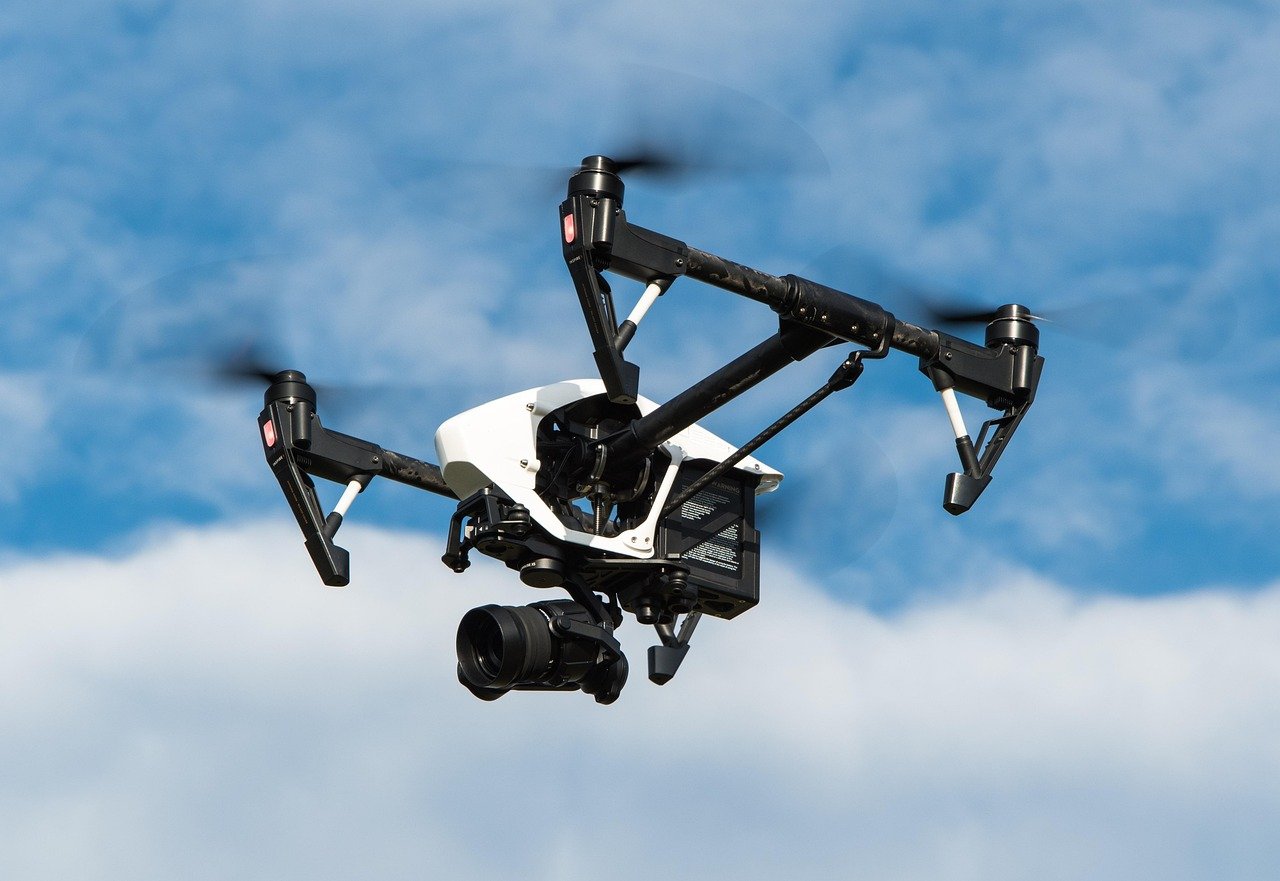
The conflict has evolved from diplomatic disputes to operational hostility. According to reports, the discovery of an explosive drone at the Leipzig airport in August 2026—a vital hub for military supplies heading to Ukraine—marks a dangerous transition toward physical attacks on German soil.
The Strategic Shift: From Gas to Guns
To understand the scale of this transformation, one must look at the 180-degree turn in Berlin's foreign policy. Germany has moved from being Russia's primary energy partner in Europe to one of its fiercest opponents.
| Strategic Pillar | Merkel/Schröder Era (Pre-2022) | Current Era (2026) |
|---|---|---|
| Energy | Total dependence via Nord Stream 2 | Cut-off of Russian supply; diversification |
| Defense | Limited budget; diplomatic focus | Massive rearmament of the Bundeswehr |
| Diplomacy | Scientific and cultural cooperation | Closure of Consulates and the Russian House |
The Internal Front: A Divided Society
While Chancellor Friedrich Merz maintains that Russia must face total economic exhaustion, German society is showing significant cracks. Much like political debates in other parts of the world where economic hardship clashes with geopolitical ideology, the cost of living is starting to outweigh foreign policy goals for many citizens.
The AfD (Far Right)
This political faction is pressuring the government to normalize trade with Russia to lower fuel prices and energy costs.
Public Opinion
According to ARD data, 42% of the population believes military aid to Ukraine is excessive due to fears of a wider escalation.
The Invisible War: Hybrid Warfare
The confrontation has mutated into what experts call "Hybrid Warfare." This refers to a blend of conventional military force and non-traditional tools like cyberattacks, disinformation, and economic sabotage.
Berlin has denounced multiple cyberattacks on critical infrastructure and the use of a "shadow fleet" of Russian vessels used for espionage and sabotage in European waters. The current relationship is no longer about seeking normalization, but about containing an adversary that views the heart of Europe as its primary strategic target.