


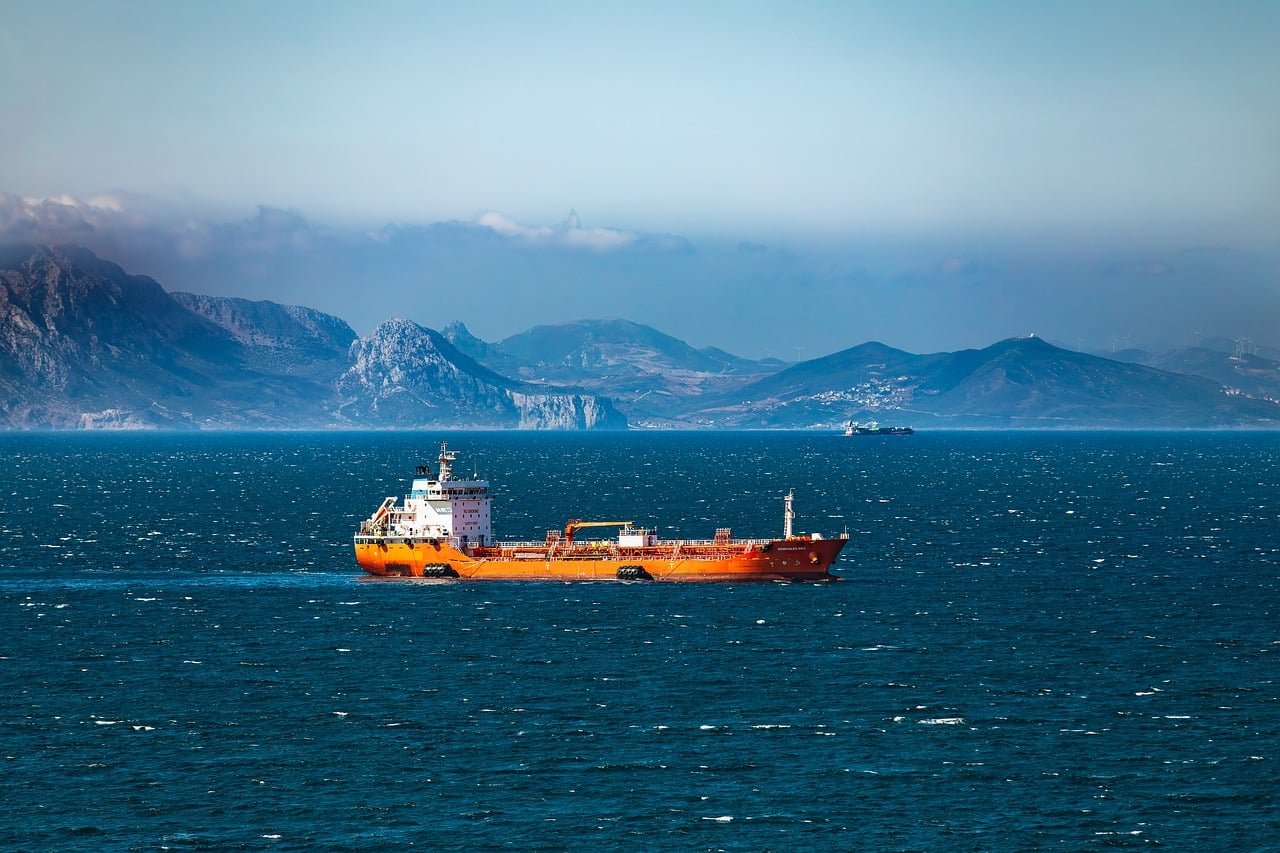
The Red Sea Crisis: A Global Bottleneck
According to international reports, Houthi militias in Yemen have seized control of approximately 130 km of the Yemeni coastline, including the critical port of Mocha and the Bab al-Mandab Strait. This move has effectively disabled Saudi Arabia's East-West pipeline and threatens roughly 15% of all global maritime trade.
Understanding the Geography
The Bab al-Mandab Strait (Arabic for "Gate of Tears") is a narrow passage connecting the Red Sea to the Gulf of Aden. It is one of the world's most critical "chokepoints."
Why it matters: Controlling this point allows a power to dictate the flow of oil and gas between Asia and Europe, creating immense economic leverage on a global scale.
Strategic Response & Market Impact
| Key Player | Action Taken | Impact |
|---|---|---|
| Houthi Militias | Captured Mocha & Strait | Traffic Control |
| Saudi Arabia | Buying 48 F-35s from US | $24.3 Billion investment |
| USA (Trump Adm.) | Advanced weaponry sales | Strategic support to Riyadh |
| Energy Market | Brent Crude surge | Price: $108 USD |
The Bottom Line: How this affects you
This is not merely a regional territorial dispute; it is a direct catalyst for global inflation. If shipping routes remain blocked, vessels must divert around the entire continent of Africa. This detour significantly increases freight costs and fuel consumption.
For the average consumer, a sustained oil price of $108 USD puts upward pressure on transport and logistics costs, which eventually translates into higher prices for imported goods and domestic energy bills worldwide.