


Understanding the Context: Why This Matters
For those unfamiliar with these institutions, the International Criminal Court (ICC) is a permanent tribunal to prosecute individuals for genocide, crimes against humanity, and war crimes. The U.S. is not a member of the Rome Statute (the treaty that created the ICC) and has historically clashed with the court over investigations into U.S. personnel.
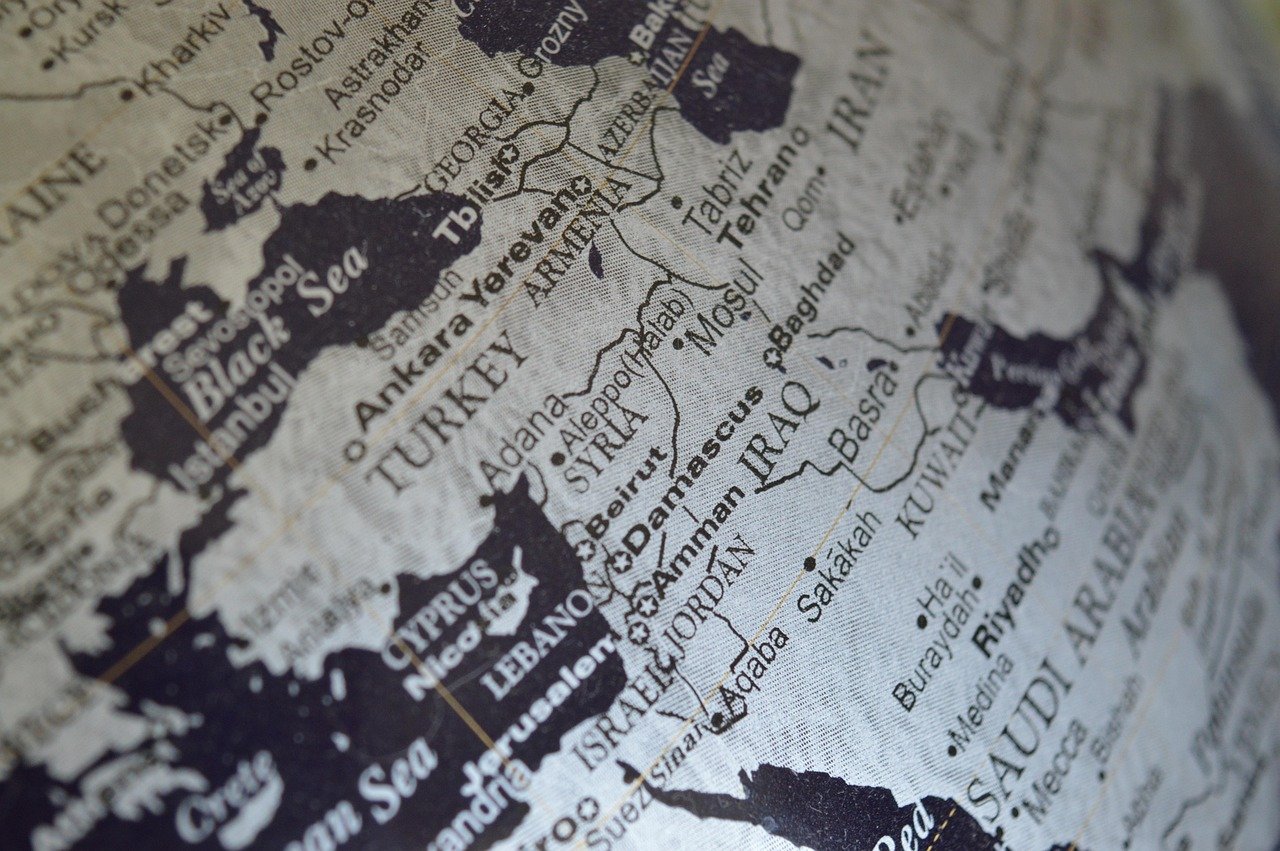
Meanwhile, the tension with Iran has reached a boiling point. Since early 2026, the geopolitical landscape has been destabilized by the death of Khamenei and subsequent offensives by Houthi rebels in Yemen. This has led to a blockade of the Strait of Hormuz—a critical chokepoint for global oil—pushing oil prices above 100 USD per barrel.
Current Geopolitical Indicators
| Factor | Current Status | Impact |
|---|---|---|
| Oil Prices | Above $100 USD | Global energy inflation |
| Strait of Hormuz | Blocked | Supply chain disruption |
| US Policy | Bilateral focus | Rejection of multilateralism |
What to Expect Next?
- 🚀 Military Escalation: If no deal is mediated by figures like Witkoff or Kushner, the U.S. might launch aggressive strikes against Iranian infrastructure after November.
- ⚖️ Judicial Split: The pressure to leave the ICC could fracture the European Union, splitting nations between U.S. loyalty and judicial autonomy.
- ⛽ Energy Crisis: Uncertainty may keep crude oil at record highs, forcing Europe to accelerate its transition to LNG.
- 🚩 Tehran's Response: Iran may intensify "hybrid warfare" via proxies in Yemen and Lebanon to force better terms before the U.S. Midterms.