


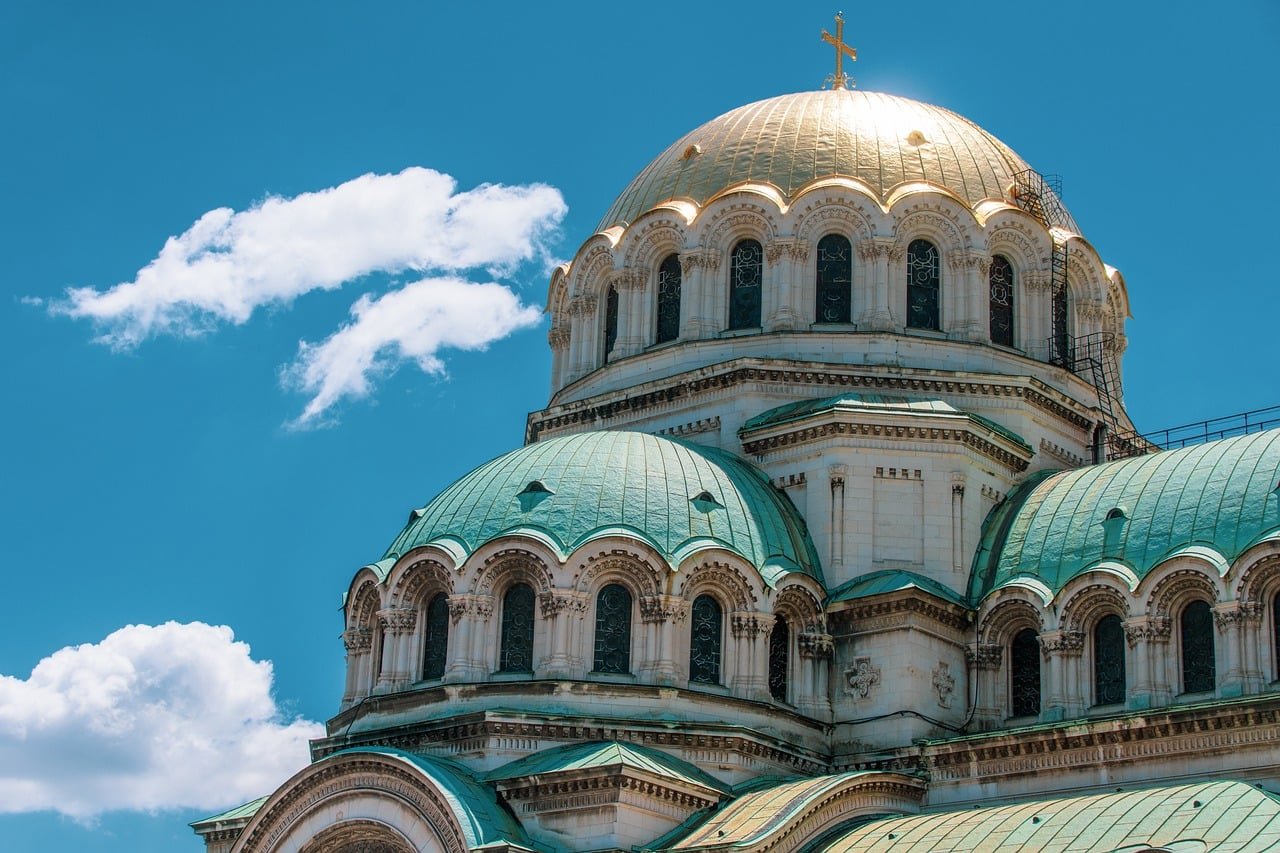
The Bulgarian capital, Sofia, experienced a day filled with profound symbolism and patriotic fervor. The remains of Tsar Samuel, a pivotal figure in the medieval history of the Balkans, were finally interred in Bulgarian soil following a prolonged process of international diplomacy.
A Display of Honor
This transfer was far from a routine administrative procedure. To emphasize the geopolitical and cultural significance of the event, the remains were escorted from the border with Greece by Bulgarian fighter jets, turning the journey into a high-profile military tribute.
The Diplomacy Behind the Return
The repatriation of the remains was the result of a sophisticated diplomatic exchange between Bulgaria and Greece, resolving long-standing disputes over historical heritage.
Key Terms of the Agreement
To finalize this historic accord, both nations agreed on the following essential points:
- ✨ The official restitution of the medieval ruler's remains to Bulgaria.
- ✨ The return of precious religious artifacts from Bulgaria to Greece.
- ✨ The formal closure of a historical dispute that had persisted for decades.
| Actor | Role in the Agreement | Contribution / Action |
|---|---|---|
| Bulgaria | Recipient | Return of religious artifacts |
| Greece | Grantor | Delivery of Tsar Samuel's remains |
This event brings an end to an era of uncertainty regarding the fate of the Tsar's remains, transforming a historical conflict of identity into a bridge of bilateral cooperation between Athens and Sofia.
Source: IMAGO