


A Historic Event in the Northern Hemisphere
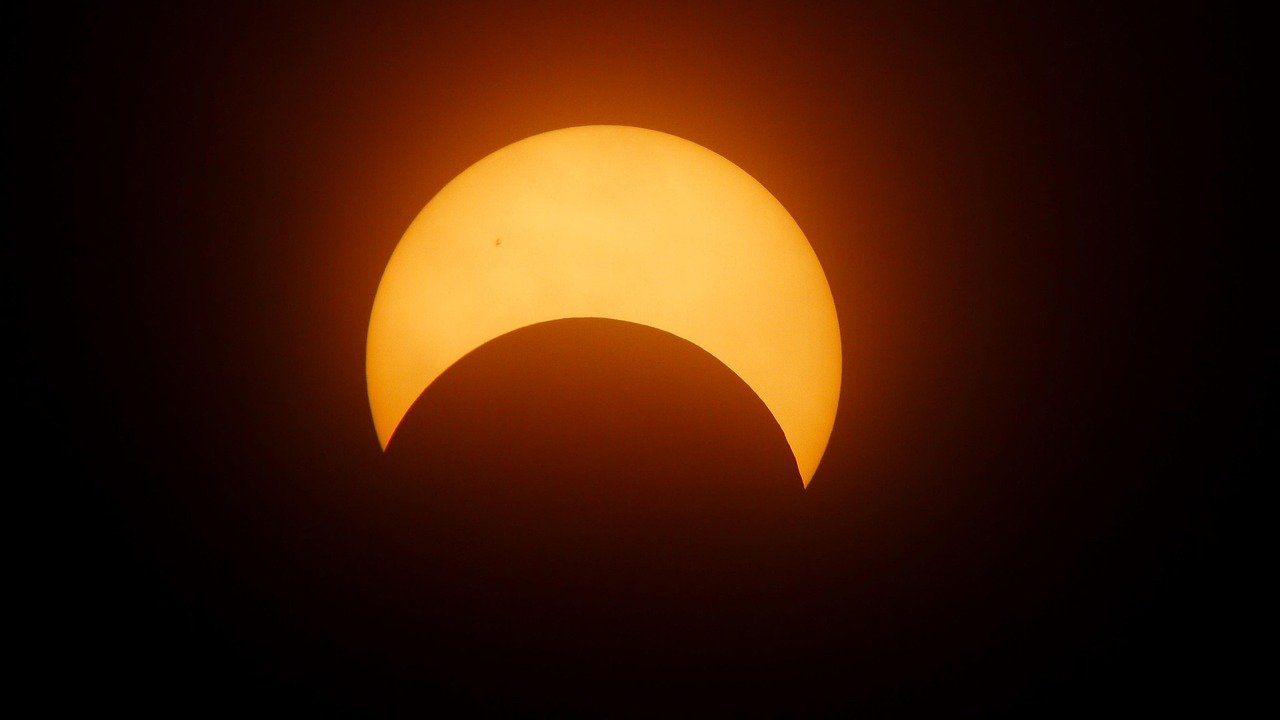
On Wednesday, August 12, 2026, the sky over the northern hemisphere will experience one of the most remarkable astronomical phenomena of the century: a total solar eclipse. The path of totality will cross territories including Greenland, Iceland, northern Spain (Galicia, Asturias, Castilla y León, Basque Country, and Navarre), northeastern Portugal, and northern Russia, according to various international media reports.
This eclipse marks the beginning of a unique sequence, as 2027 and 2028 will bring other notable solar events to Spain. The difference between seeing a total eclipse and a partial one is immense: only within the path of totality can you experience 'night in the middle of the day' and observe the solar corona.
The Remote Possibility of Seeing Auroras
The main attraction is the Moon covering the Sun's disk, but the scientific community holds cautious expectations about an additional phenomenon: the possible visibility of auroras borealis during the brief minutes of total darkness. Experts like eclipse cartographer Michael Zeiler have noted that the penumbra generated by the eclipse could be enough to detect auroras in Iceland and high-latitude Russia, if a strong geomagnetic storm occurs.
Although specialists warn that this is an extremely unlikely scenario requiring perfect synchronization between solar activity and the brevity of the darkness, the expectation has sparked interest among researchers at NASA and the European Space Agency (ESA). These institutions have already prepared high-altitude balloon deployments and aerial missions to study the atmosphere's response to the sudden temperature drop.
A Starry Sky in Broad Daylight
The astronomical event of August 12 will coincide with the peak of the Perseid meteor shower. During totality, which will last between one and two and a half minutes depending on location, the sky will darken enough to reveal planets like Venus and Jupiter with the naked eye, adding a unique celestial spectacle.
Additionally, observers can see the diamond ring and Baily's beads, phenomena visible only in the seconds just before and after totality.
What About Argentina?
This solar phenomenon will not be visible from Argentina. However, from the Astronomical Observatory of Córdoba (Bosque Alegre), astronomer Román explained that solar and lunar eclipses often occur in close succession. 'About 15 days before or after a solar eclipse, a lunar eclipse occurs,' the specialist noted.
In this regard, there will be a great opportunity for Argentine observers: the next lunar eclipse will be visible from Argentina and much of the American continent during the night of August 27 and the early hours of August 28, 2026. The Bosque Alegre Observatory, inaugurated in 1942 and one of the country's main astronomical centers, offers daytime visits (Saturdays, Sundays, and holidays for ARS 4,000) and nighttime visits (ARS 5,000) to bring science closer to the public.
Eye Safety: A Top Priority
NASA insists that observing a solar eclipse requires proper protection. You must use certified glasses under the ISO 12312-2 standard with authentic CE marking. Homemade filters, X-rays, and conventional sunglasses offer no protection and can cause irreversible eye damage. Only during totality is it safe to remove the glasses and look directly at the Sun; as soon as the slightest flash reappears, they must be put back on.