


A Discovery Frozen in Time
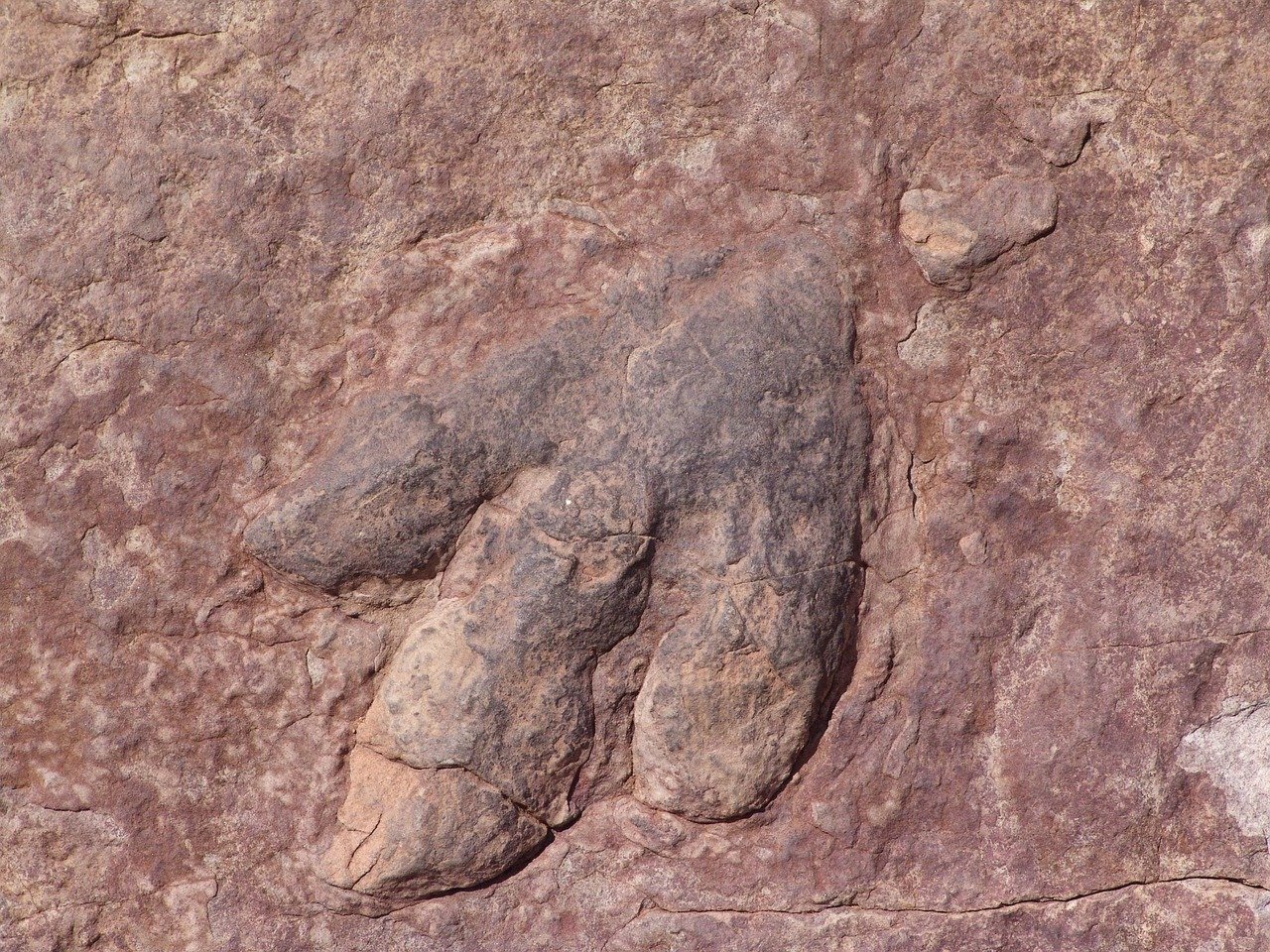
In 1988, geoscientist Guy Plint found fossilized footprints in a rock formation near Tumbler Ridge, in northeastern British Columbia, Canada. The site, so remote that it is only accessible by helicopter, remained unstudied for over three decades. It was not until 2022 that Plint returned alongside paleontologist Charles Helm to measure, mold, and date the tracks. The result: footprints approximately 88 million years old, belonging to the Coniacian period, a substage of the Late Cretaceous (89.7 to 86.5 million years ago).
The First Record in Canada
This is the first record of terrestrial dinosaur footprints from the Coniacian in Canada, filling an important gap in the country's fossil record. Until now, little was known about the dinosaurs that inhabited this region during that period, and this discovery allows us to reconstruct a lost ecosystem.
'It's like opening a window to a world we didn't know,' the researchers stated.
Geological Context: A World Without Ice
During the Coniacian, sea levels were about 100 meters higher than today. The climate was one of extreme greenhouse effect, with high temperatures and no polar ice caps. In the Marshybank Formation, an ancient river delta has been preserved, where these dinosaurs roamed millions of years ago.
| Period | Time Range |
|---|---|
| Coniacian | 89.7 – 86.5 million years ago |
| Late Cretaceous | 100.5 – 66 million years ago |
What Tracks Were Found?
The footprints measure between 30 and 50 centimeters and feature three blunt toes. Most belong to ornithopods, duck-billed dinosaurs; there are also traces of carnivorous theropods and armored ankylosaurs. The site also shows an ecological transition: ornithopods dominate over ankylosaurs, driven by the expansion of flowering plants (angiosperms), which were more nutritious than the conifers and ferns that dominated earlier.
Excavation and Future
Between 2022, 2023, and 2025, five key specimens were extracted and transported to the Tumbler Ridge Museum for conservation and 3D digitization. The site is part of the UNESCO Global Geoparks network, ensuring its protection and long-term study.
In addition to the footprints, fossilized roots and trunks from a plain dominated by ferns, conifers, and flowering plants were preserved, providing a complete picture of the Cretaceous landscape.
In summary: a discovery that took more than three decades to reveal itself now offers us a unique window into the past, thanks to the perseverance of scientists.