


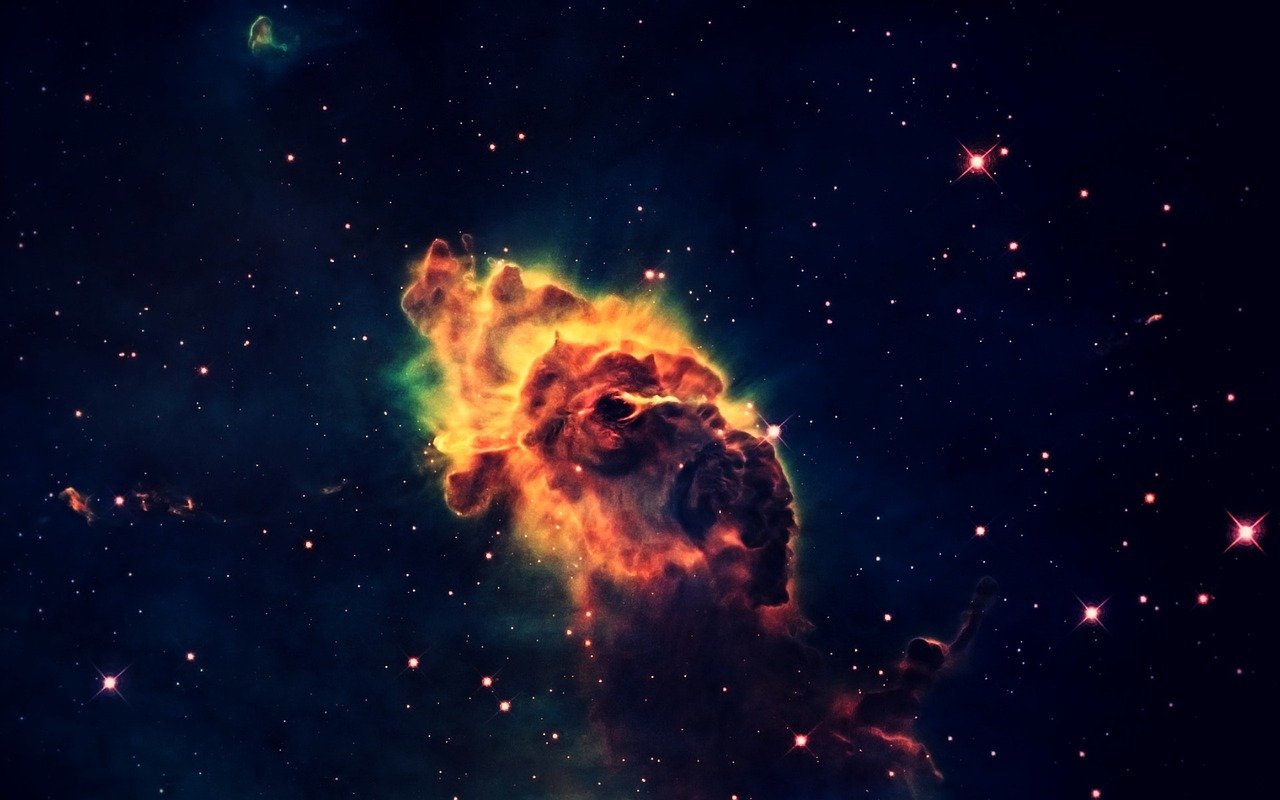
A Month of Cosmic Spectacles
The night sky in October is set to become a dynamic stage for space enthusiasts. According to data from NASA's Jet Propulsion Laboratory (JPL), the month will be defined by planetary alignments and the passage of cometary debris that will light up the darkness.
For those unfamiliar with the terms, an Opposition occurs when a planet is on the opposite side of the Earth from the Sun, making it appear larger and brighter in our sky—the perfect time for observation!
🪐 Saturn in the Spotlight
On October 4th, Saturn will reach its opposition. This positioning will allow observers to see the ringed planet with exceptional clarity throughout most of the night.
Did you know? The Hubble Space Telescope recently revealed a fascinating find: a ten-sided atmospheric wave surrounding Saturn's south pole, adding to the famous hexagonal jet stream found at its north pole.
🌙 Lunar Encounters
The moon will play a starring role this month in two poetic meetings:
- 🚀 October 6th: A stunning visual proximity between the waxing crescent Moon and Jupiter, visible just before dawn.
- ✨ October 27th & 28th: The Moon will glide close to the Pleiades (also known as the Seven Sisters), a brilliant star cluster visible toward the east.
☄️ The Main Event: The Orionids
Get ready for the shooting stars! The peak of the Orionid meteor shower will take place on October 21st and 22nd.
What are they? These meteors are created by debris from the legendary Halley's Comet. As Earth passes through this trail of dust and ice, particles burn up in our atmosphere, creating streaks of light.
Pro Tip: Experts recommend observing before dawn, once the waxing gibbous Moon has set, to avoid light pollution and see the stars in their full glory.
Source: NASA (Jet Propulsion Laboratory)