


22/07/2026 21:04 - Politica
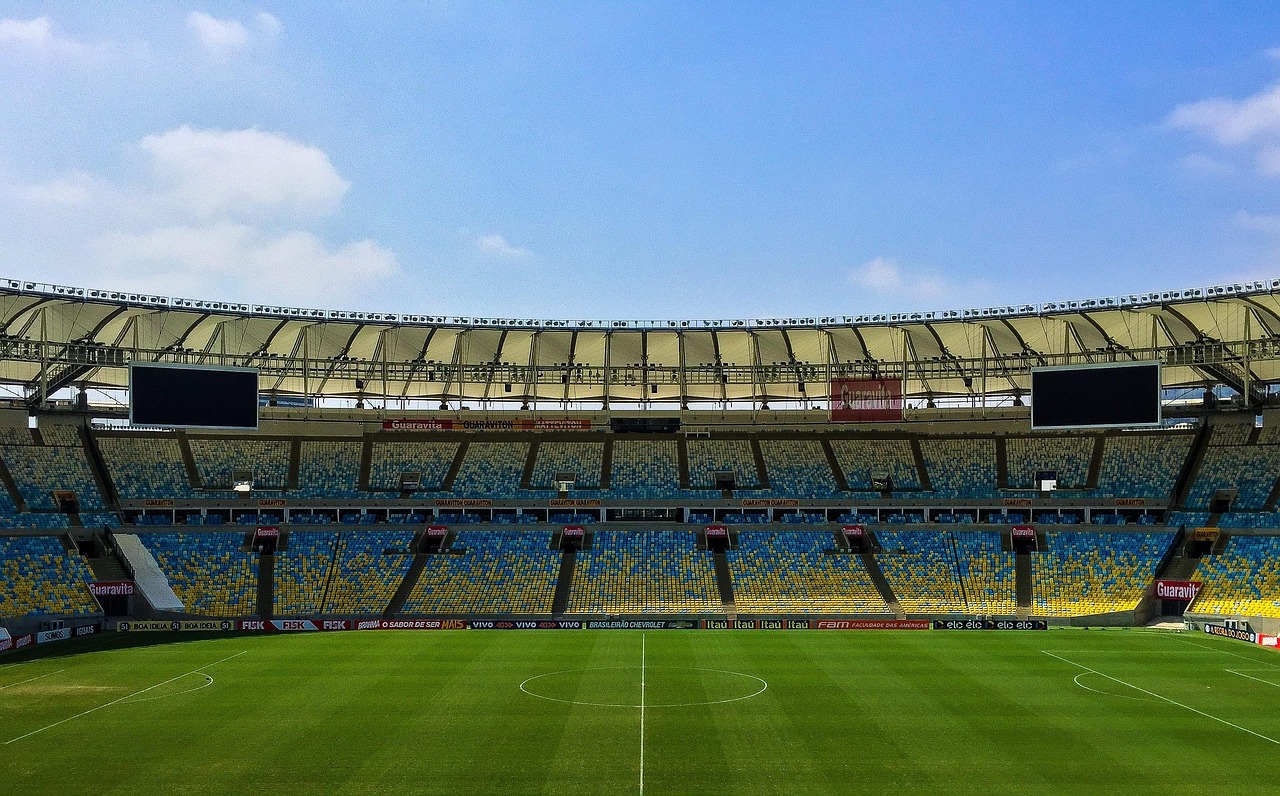
The 2026 World Cup final, held on July 19, 2026, left Argentina as the runner-up after a 1-0 defeat against Spain. However, the debate extended far beyond the soccer pitch, transforming into an intense global exchange on social media. In response to this situation, President Javier Milei decided to speak out on July 22, 2026.
Amidst a wave of criticism accusing the country of racism and biased refereeing, the president posted a quote on his X (formerly Twitter) account that he attributed to former British Prime Minister Winston Churchill: 'Do you have enemies? Good. That means you have defended something, at some point in your life.'. In the same message, Milei added a clarification: 'Some argue the quote belongs to Victor Hugo and that Churchill merely updated it.'
According to a detailed analysis by the fact-checking site Chequeado, there is no evidence that Churchill ever spoke or wrote this phrase. The International Churchill Society expressly includes it among quotes erroneously attributed to him. The original idea belongs to French writer Victor Hugo, in his text Villemain from 1845, which reads: 'Do you have enemies? Well, it is the story of every man who has achieved a great feat or created a new idea.'
A measurement by the consulting firm Ad Hoc Digital monitored conversations between June 11 and July 20, 2026, detecting around 2.7 million negative mentions linked to Argentina. These were divided into four main narratives:
As reported by Infobae, international figures with large audiences, such as actor Samuel L. Jackson and singer Rosalía, amplified some of these conversations, taking the topic beyond the strictly sporting sphere.
The libertarian sector interpreted this phenomenon as part of a global 'cultural battle' and a 'hybrid war' against the country, supposedly driven by progressive sectors that reject Milei's political and economic direction. Intellectuals aligned with the government, such as Agustín Laje, argued that the local opposition (Kirchnerism) had validated these narratives from within Argentina. For the ruling party, the team coached by Lionel Scaloni didn't just play for a Cup; the country fought a battle for its international reputation in front of the whole world.

Alfredo S. Quiroga
