



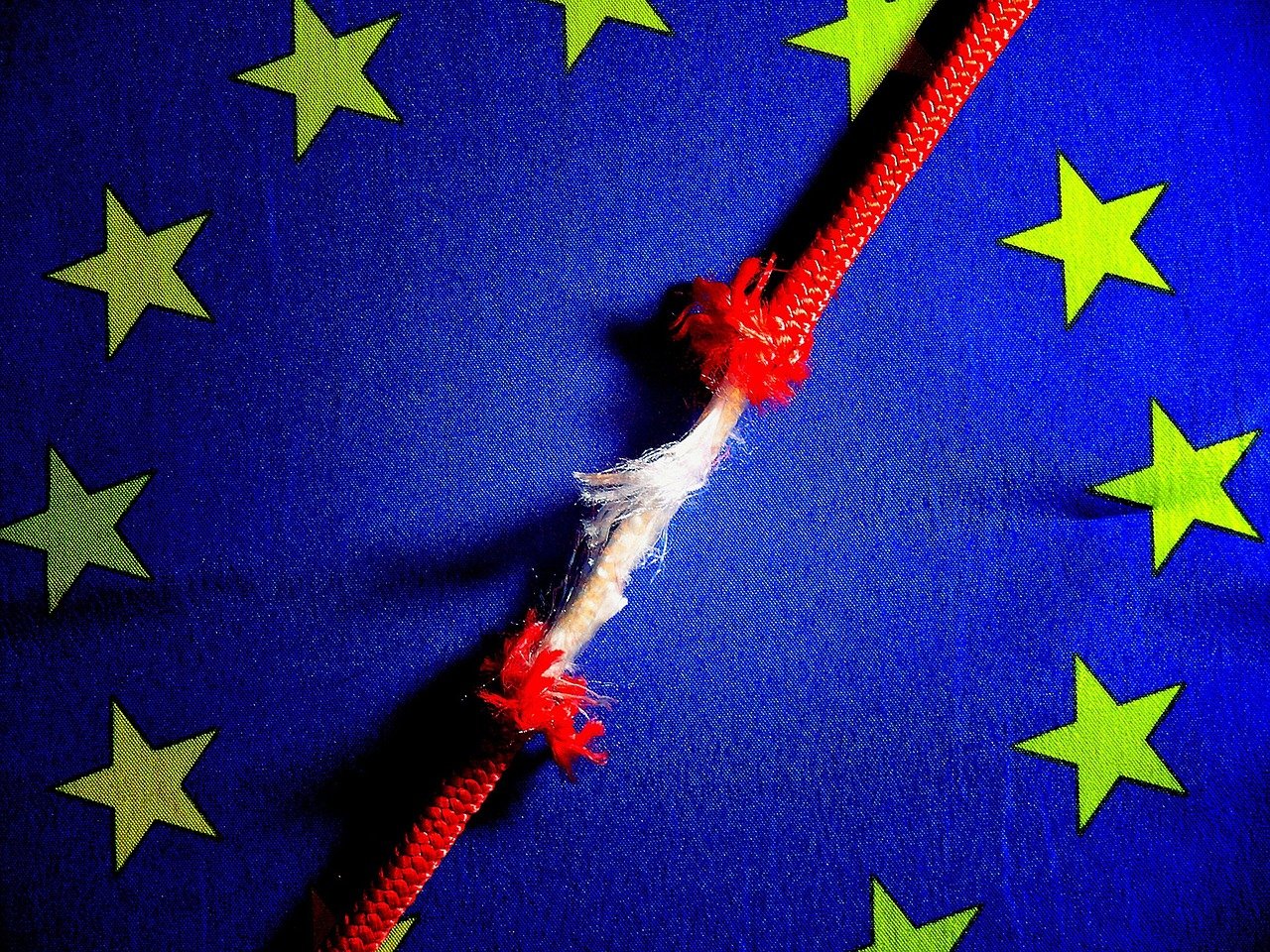
Tension escalated in Brussels during a meeting of European Union leaders that lasted three hours longer than planned. The reason: a fierce dispute over the implementation of the ETS2 Law, the regulation that will establish a carbon price for heating and transport starting in 2028.
The conflict was not only technical, but deeply political. Right-wing governments, concerned about energy costs and social pressure, attempted to steer the block's environmental agenda in a different direction.
Italy and Poland led a front seeking to weaken climate restrictions. The current state of the positions is as follows:
| Position | Member Countries | Main Objective |
|---|---|---|
| Opposition/Delay | Italy, Poland, Czech Republic, Hungary, Slovakia, Greece | Postpone ETS2 until 2030 or cancel it. |
| Firm Defense | Nordic Countries, Netherlands, France, Germany | Maintain the launch schedule for 2028. |
Although the proposal to delay the law was rejected by the majority, the internal climate is volatile. The rise of the far-right in Europe is transforming the technical debate into an electoral tool:
- In Germany, the Alternative für Deutschland party has gained ground in regional elections by criticizing climate bureaucracy.
- In France, Marine Le Pen and Jordan Bardella use the rejection of the ETS to capitalize on social discontent before the 2027 elections.
The geopolitical context also plays a key role. The group led by Warsaw and Rome has intensified its protests since United States and Israel bombed Iran in March, seeking to soften industrial restrictions to protect the local economy.
Source: Imago