


11/07/2026 04:53 - Salud
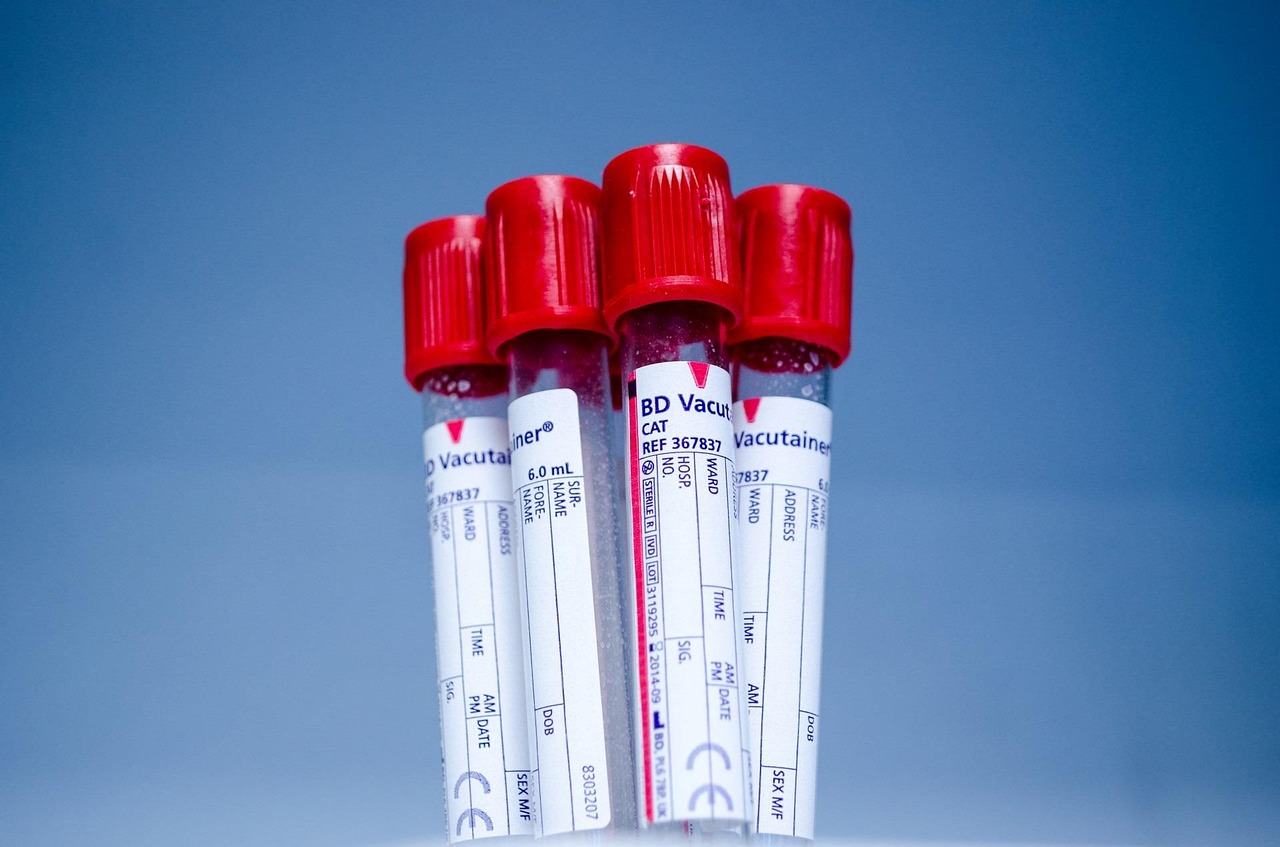
Alzheimer's disease is the most common form of dementia worldwide, but medical advances continue to search for ways to detect it earlier. A recent study published on July 9, 2026, funded by the National Institutes of Health (NIH)—the primary US government agency for biomedical research—opens a hopeful door for millions of people around the world.
According to experts, the brain alterations that lead to Alzheimer's begin to appear 20 to 30 years before the first memory problems arise. This means that what happens in our brains at 40 or 50 years old could be laying the groundwork for the disease, even if we feel perfectly healthy.
Traditionally, to detect the two hallmark signs of Alzheimer's—amyloid beta protein plaques and tau protein tangles—experts had to rely on brain scans or cerebrospinal fluid tests. While effective, these methods are costly and highly invasive for patients.
The new study proposes analyzing these markers through blood tests, a much cheaper, more accessible, and less invasive alternative. Until now, these tests were primarily used in older adults or those with a confirmed diagnosis, but this new approach focused on middle age.
The research team analyzed blood samples from 1,350 participants who were monitored between 2020 and 2022. These individuals were between 50 and 60 years old and showed no signs of dementia.
When evaluating cognitive tests, these individuals scored lower in mental processing speed and executive function. Furthermore, when compared with tests from five years prior, a more noticeable cognitive decline was observed in their ability to retain words long-term.
Dr. Yaffe, part of the research team, explained that detecting the disease early allows patients to focus on modifiable risk factors and seek care that delays the onset of symptoms. This finding represents a transcendent step for neurodegenerative pathology medicine, demonstrating that brain alterations can be visible through a simple blood test.
Source: Ecoportal / Infobae

Alfredo S. Quiroga
