


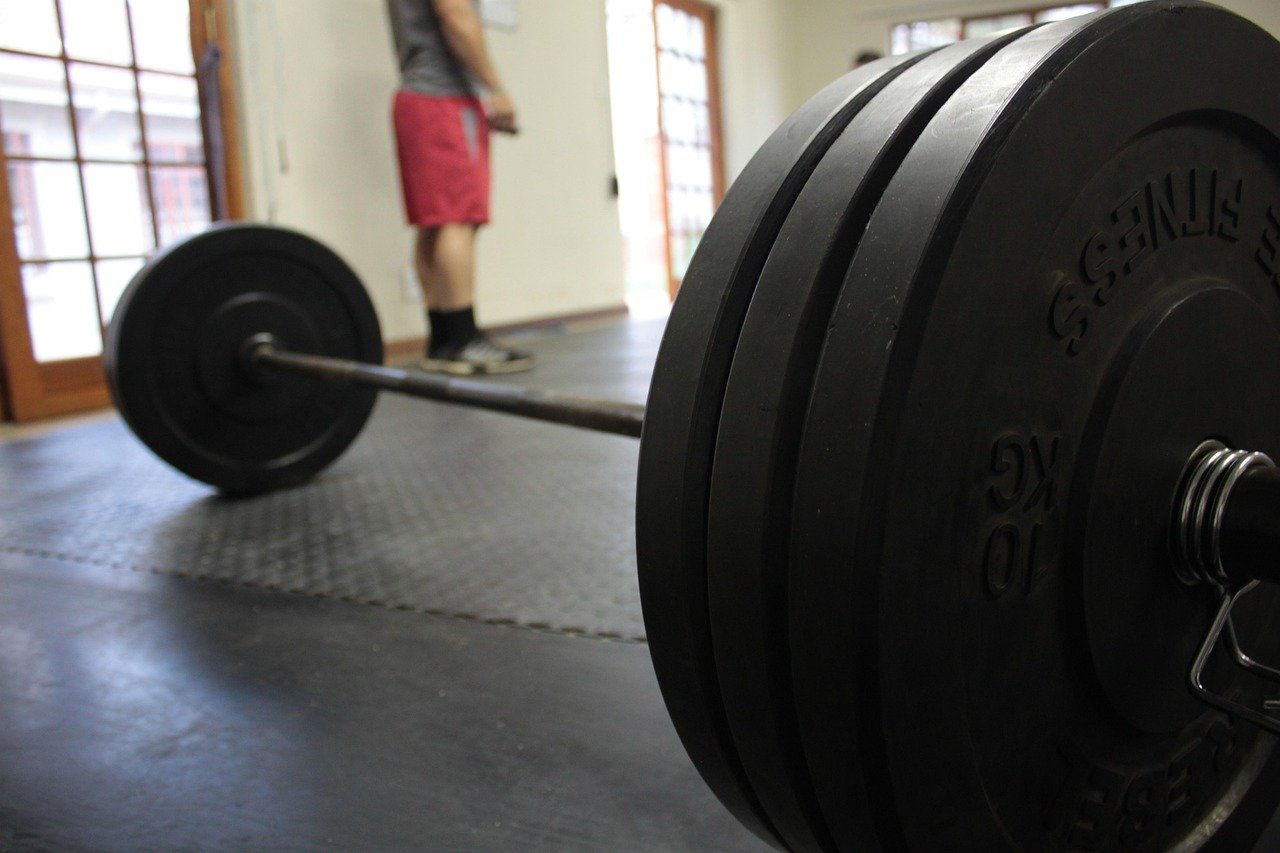
Going to the gym isn't just about lifting weights—it's also about sharing space, time, and resources with others. A recent analysis by The Guardian compiled the behaviors that annoy gym-goers the most, along with recommendations from certified trainers to avoid conflicts. Most problems, experts agree, stem not from ill will but from habits many repeat without realizing their impact on others.
What behaviors cause the most friction?
The specialists cited by The Guardian point out that leaving dumbbells, plates, or bars out of place is one of the most common and risky mistakes. Amanda Katz, a personal trainer in New York, warns that this forces others to clear the area and can be dangerous, especially with heavy loads. “Anyone who can't move those weights is left in an awkward and even unsafe situation,” she explains.
Hygiene is another critical issue. Wiping down benches or machines after use is a basic rule that many forget. Mathew Forzaglia told The Guardian that “nobody wants to lie on someone else's sweat,” and cleaning takes only seconds.
Hoarding equipment: a classic tension-maker
Circuit routines require multiple machines or weights at once, but this often disrupts gym dynamics. Laura Girard, certified trainer and founder of The Energy Academy, says that “hoarding equipment makes it hard for others to train, especially during peak hours.” The recommendation is to adjust your routine so you don't block others' access.
Noise and phone: the distractions that bother
Among the most repeated complaints are noisy behaviors: playing music without headphones, talking on speaker, shouting before each set, or exaggerating vocal expressions. Girard explained that these interruptions affect the collective experience in an already demanding environment.
Regarding phone use, resting between sets is part of training, but it shouldn't mean spending a long time on a machine checking messages or social media. Forzaglia recommends that if a call can't wait, it's best to leave the exercise area.
The 10 tips for training without bothering others
- 1. Put equipment back after using it. Returning plates, bars, and dumbbells to their places frees up space and reduces risks.
- 2. Wipe down surfaces. Benches, mats, and machines should be left in good condition for the next person.
- 3. Use only the equipment you need. If your routine requires multiple stations, adjust it so you don't block access.
- 4. Keep noise levels moderate. Headphones and short conversations help maintain a shared environment.
- 5. Avoid sitting on a machine while staring at your phone. Rest between sets is fine, but prolonged idle time limits equipment availability.
- 6. Show up on time for group classes. Entering late disrupts the flow and misses safety or technique instructions.
- 7. Politely ask if you need help or want to alternate on a machine. Direct communication usually resolves waits and misunderstandings.
- 8. Take rest periods without feeling out of place. Rest is part of strength and high-intensity training.
- 9. Use equipment even if you're a beginner. Girard emphasized that everyone has the right to use a rack or bar, even with light weights.
- 10. Film your workout without exposing others. Recording your technique is acceptable, as long as you don't intentionally capture other people.
These guidelines—based on principles of coexistence, hygiene, and efficient use of resources—aim to ensure that all gym-goers enjoy an orderly and respectful environment, minimizing conflicts and making it easier for newcomers to integrate.