


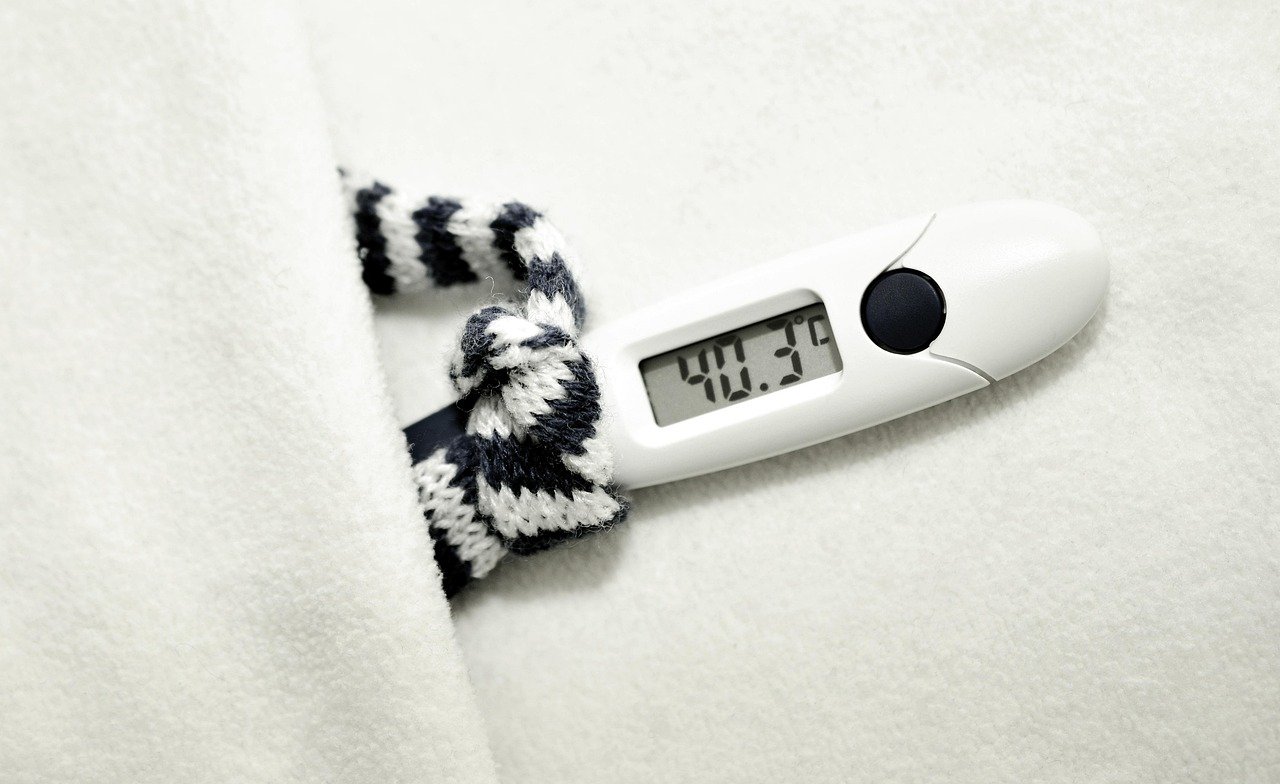
Argentina is experiencing an unprecedented flu season, breaking records not seen in the last ten years. According to the country's Ministry of Health, 790,523 cases of influenza were registered in the first 30 weeks of 2026, surpassing the previous record from 2025 (788,328) and 2024 (779,592). This surge is driven by the subclade K of the influenza A (H3N2) virus, a variant that gained international attention in 2025 and has now become the dominant strain in Argentina.
What is the 'Super Flu' and why does it matter?
The subclade K, dubbed 'super flu' by local media, is a mutation of the H3N2 virus. According to Argentina's Instituto Malbrán, 96% of sequenced samples in 2026 correspond to this variant. The season started early: detections began increasing from week 10 and peaked between weeks 21 and 22. This early onset put unusual pressure on outpatient clinics and pediatric services.
“The concentration of infections in such a young pediatric population clearly shows that the virus arrived early and caused an outbreak,” said Eduardo López, head of the Department of Medicine at the Ricardo Gutiérrez Children's Hospital.
Children are the most affected
The age distribution reveals a disproportionate impact on kids:
- Under 10 years: 48% of cases (35% are under 2).
- 10 to 19 years: 18%.
- 60 and older: 11%.
López noted that the high rate in young children indicates intense viral circulation, and this year the flu has largely displaced the respiratory syncytial virus (RSV), which typically affects infants more.
Vaccination: the debate over pediatric coverage
The specialist emphasized that this year's vaccination campaign started earlier than usual, allowing better coverage by the time the peak hit. However, Argentina's mandatory pediatric flu vaccination only extends up to 24 months of age, while other Latin American countries cover children up to 6 or 8 years old. “School-age children play a central role in community transmission,” he said, and supported expanding coverage.
For those still unvaccinated, López recommends getting the shot: “The flu virus is still circulating, and within about ten days the vaccine generates antibodies.” This is especially important for high-risk groups and households with infants.
Has the peak passed? The situation is changing
The latest National Epidemiological Bulletin (week 31) shows that flu and pneumonia cases are declining, and respiratory virus circulation is within expected levels. But the focus is shifting: RSV has become the main agent detected in patients hospitalized with severe acute respiratory infections, especially in children under two. In the last four weeks, there were 200 RSV detections versus 76 for influenza.
Bronchiolitis in children under two is trending upward, though still below the five-year average.
Key figures at a glance
| Indicator | Data |
|---|---|
| Accumulated cases (week 30) | 790,523 |
| Previous record (2025) | 788,328 |
| Third highest (2024) | 779,592 |
| Dominant strain | Subclade K of A(H3N2) – 96% of samples |
| Peak circulation | Weeks 21 and 22 |
| Under 10 years | 48% of cases |
| Under 2 years | 35% of the pediatric group |
Sources: La Voz, Radio Mitre, Carlos Paz Vivo.
Note: Argentina is in the Southern Hemisphere, so the flu season peaks during its winter months (June-August). The data comes from the national surveillance system.