


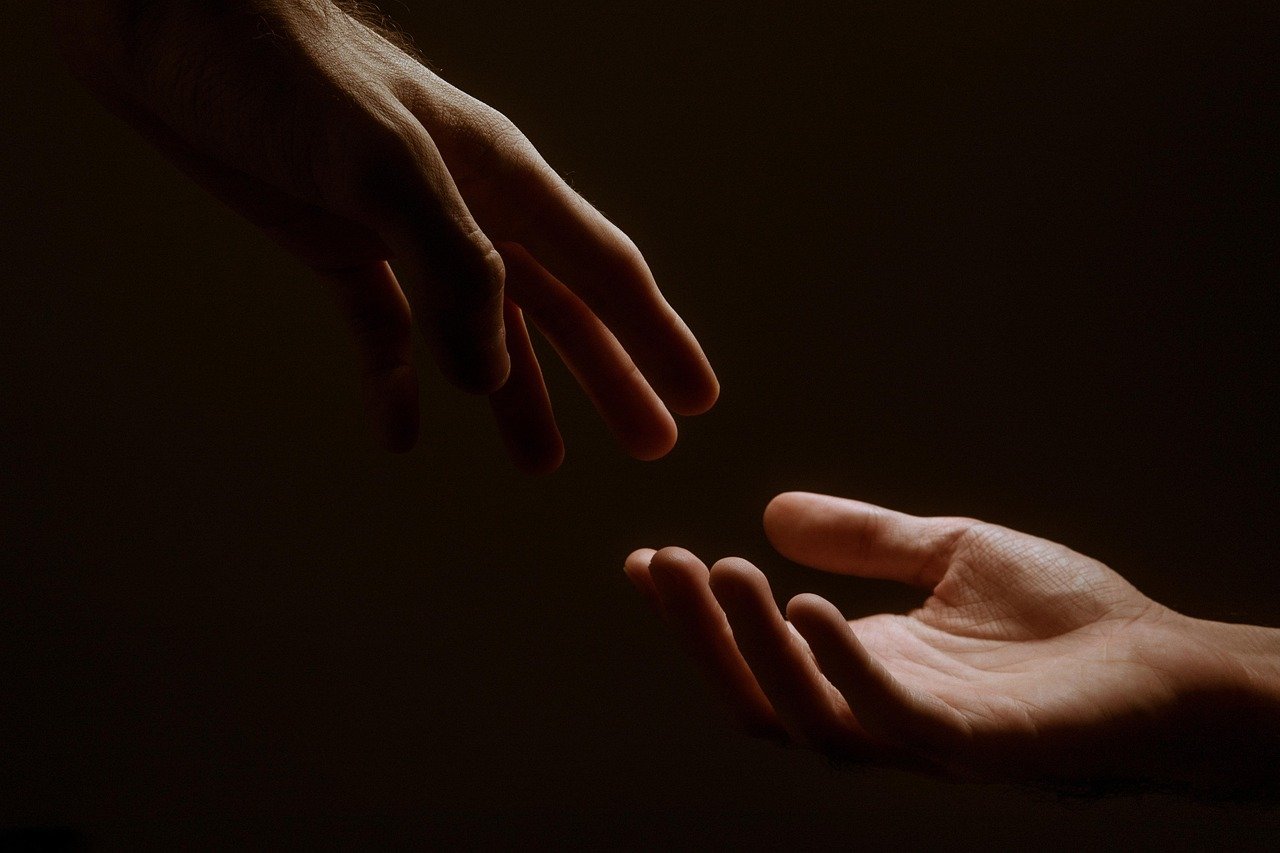
Empathy—that ability to put yourself in someone else's shoes—is much more than just a buzzword. It's a complex skill that allows us to understand and share the feelings of others, with deep biological and psychological roots. In a global context where divisions seem to widen, cultivating empathy becomes a powerful tool for building bridges.
What is Empathy Really?
Empathy is defined as the capacity to perceive, understand, and experience another person's emotions. It differs from sympathy, which involves feeling pity or compassion for someone without necessarily sharing their emotional state. Empathy allows us to connect on a deeper level, facilitating communication and mutual support.
According to psychologist and author Brené Brown, empathy is a courageous choice because it makes us vulnerable. By putting ourselves in someone else's place, we risk being affected by their emotions, but it's precisely that connection that strengthens human bonds.
The Science Behind Empathy
Neuroscience research has identified mirror neurons as a key mechanism in empathy. These neurons activate both when we perform an action and when we observe someone else doing it, suggesting a biological basis for our ability to understand others.
Additionally, studies in developmental psychology show that empathy begins to manifest at an early age. Young children already show signs of concern for others' distress, indicating that this ability is innate, though it can be shaped and strengthened throughout life.
Empathy in Everyday Life
In our daily interactions, empathy manifests in various ways: from actively listening to a friend going through a tough time, to understanding a coworker's perspective in a disagreement. Practicing empathy not only improves our relationships but also benefits our own mental health, reducing stress and increasing a sense of well-being.
On a social level, empathy is fundamental for community cohesion. It allows us to recognize others' needs and act accordingly, fostering solidarity and cooperation. In times of crisis, like those experienced during the pandemic, empathy became an invaluable resource for supporting one another.
Challenges and Opportunities
Despite its importance, empathy faces challenges in the modern world. The immediacy of digital communication can lead to misunderstandings and emotional disconnection. However, it also offers opportunities to connect with people from different cultures and realities, broadening our understanding of the world.
The good news is that empathy can be cultivated. Practices like active listening, loving-kindness meditation, and reading fiction have been shown to increase empathic capacity. By dedicating time to understanding others, we not only improve our relationships but also contribute to a more just and compassionate society.
“Empathy is seeing with the eyes of another, listening with the ears of another, and feeling with the heart of another.”
In short, empathy has these things: it challenges us, connects us, and humanizes us. In a world that often seems divided, it's a reminder of our shared humanity and a tool for building a more hopeful future.