


31/07/2026 15:53 - Tecnologia
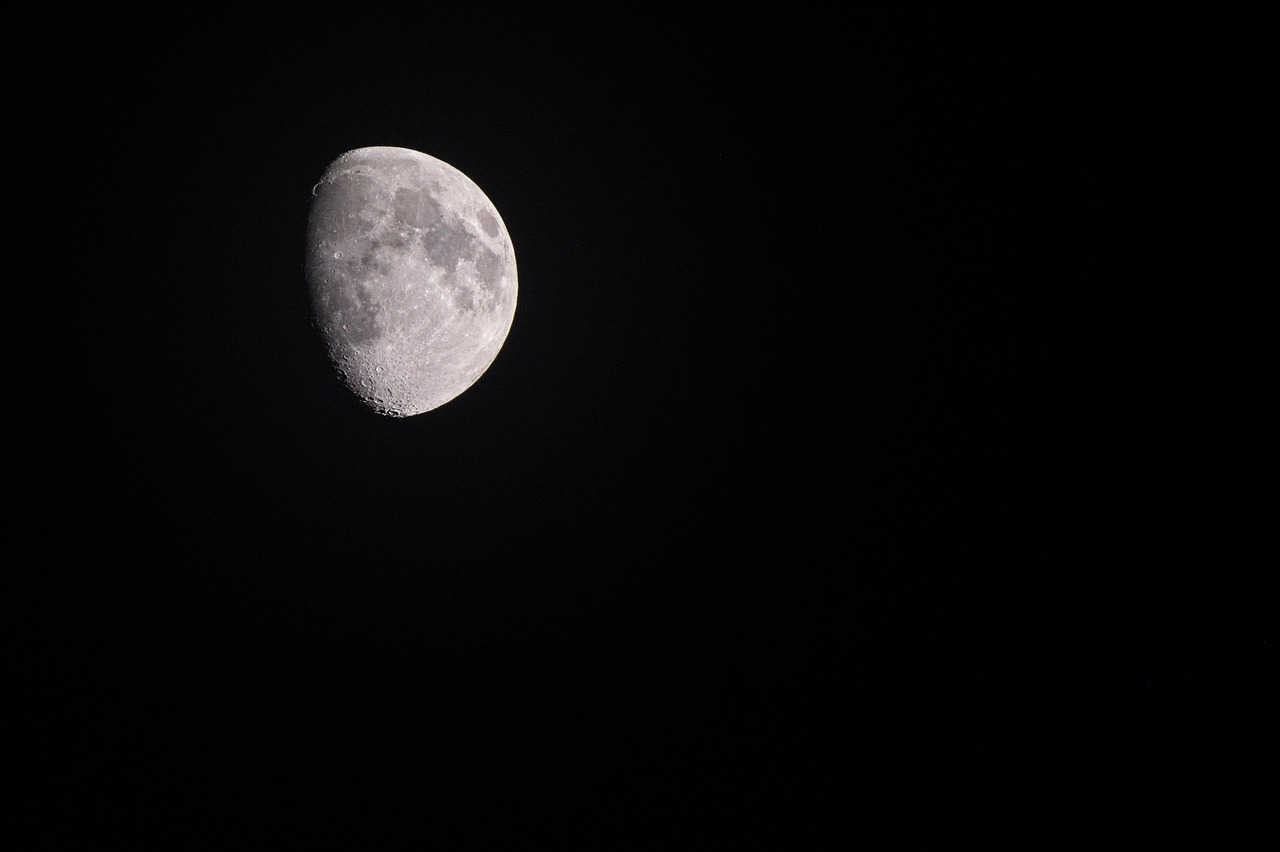
The African continent is on the verge of an unprecedented milestone in science. According to a report by Infobae (July 31, 2026), the Africa2Moon mission aims to achieve in 2029 the deployment of the first African radio astronomy network on the lunar surface.
Radio astronomy studies celestial objects by detecting radio waves instead of visible light. Earth’s atmosphere blocks many low-frequency waves, preventing us from hearing the oldest signals from the universe. The far side of the Moon, shielded from Earth’s radio noise and lacking an atmosphere, is the perfect location to observe frequencies below 20 megahertz—a window to the cosmic dawn.
The project, led by the Foundation for Space Development of Africa and directed by Carla Mitchell of the South African Radio Astronomy Observatory (SARAO), will install a trio of spherical probes at the lunar south pole. Known as BALLS (Bouncing African Lunar Low-frequency Spheres), these probes are designed to operate in temperatures below -200 degrees Celsius.
The extreme challenge: The lunar south pole not only offers craters with water ice for future bases, but its long lunar night provides unique protection from human and solar radio interference.
The BALLS probes were developed in Cape Town by Petrawell, together with universities from KwaZulu-Natal and Stellenbosch. The mission will rely on the Chinese Chang'e-8 lander module, which will relay data back to Earth. Key partners also include institutions from Kenya, Ghana, Botswana, and the South African National Space Agency.
The 2029 prototype is just the first step of a larger vision. The initiative plans to eventually install 55 antennas on the far side of the Moon—one for each African country. This would make Africa2Moon the largest lunar radio astronomy network in the world and a powerful symbol of intercontinental cooperation.
The project aims to inspire new generations in science, technology, engineering, and mathematics (STEM), demonstrating Africa’s potential to lead global scientific projects and generate frontier knowledge.

Alfredo S. Quiroga
