


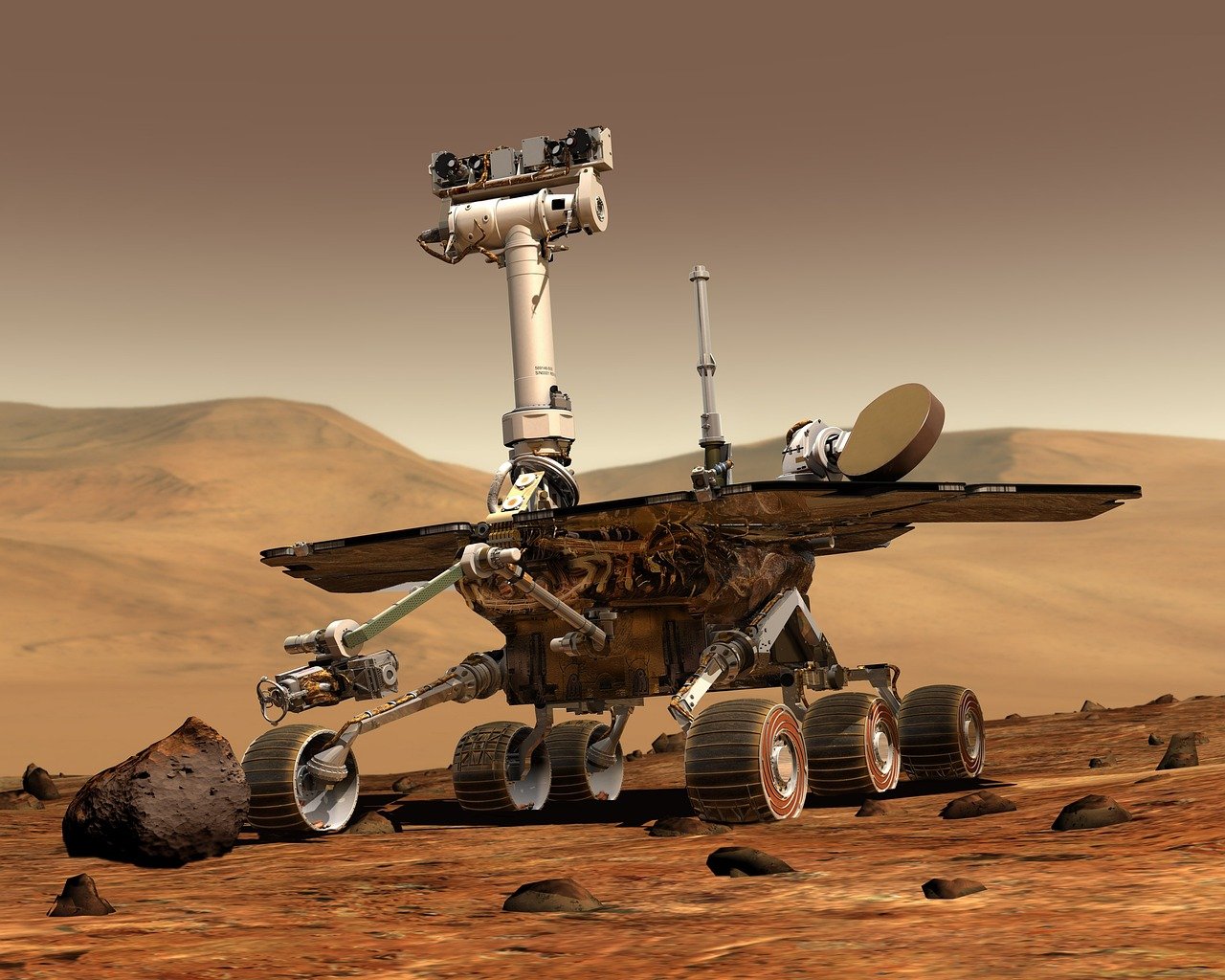
What initially appeared to be a simple ancient coastline of sand and silt has turned out to be a sophisticated geological archive. Using its powerful SuperCam instrument, the Perseverance rover analyzed over 185 targets within the Margin Unit of Jezero Crater, revealing that the zone is composed of igneous rocks that tell a story of a hydrothermally active Mars.
🚀 Mission Context: The Journey to Jezero
Since its landing in 2021, Perseverance was dispatched to Jezero Crater because of the high probability that an ancient river delta once existed there. While previous missions focused on surface water, this new finding shifts the focus toward underground chemical interactions and volcanic activity, suggesting that Mars hosted far more diverse habitable environments than previously imagined.
Three Acts of a Martian Water Drama
According to the study led by Candice Bedford and published in Communications Earth & Environment, the Margin Unit experienced three distinct water-based processes:
1. Carbonate Phase
CO₂-rich groundwater reacted with volcanic olivine, creating carbonate ridges within the bedrock fractures.
2. Lacustrine Phase
Direct interactions with the waters of the ancient lake, leaving silica deposits on rocks below the waterline.
3. Hydrothermal Phase
Hot water circulation deposited veins of fluorite and calcium sulfate, indicating later thermal activity.
🛠️ Tech Insight: The Power of SuperCam
This advanced instrument uses a laser to vaporize tiny amounts of rock and analyze their chemical composition from a distance of up to 6.5 meters. This allows for precise mineralogical mapping without the need for immediate physical contact.
The Carbon Mystery and the Quest for Life
This discovery has critical implications for astrobiology. On Earth, the reaction between water and olivine releases hydrogen—an essential fuel for extremophile microbes (organisms that thrive in extreme conditions). Furthermore, the research suggests that Mars' atmospheric CO₂ may not have entirely escaped into space but could be stored in underground carbonate reservoirs, particularly in feldspar-rich rocks.
🔭 Future Perspectives
The definitive analysis of these samples might only happen once the Mars Sample Return mission brings them back to Earth. If biosignatures are confirmed, it would be probable that NASA redefines landing targets for future missions, prioritizing hydrothermal activity zones over sedimentary deltas. Perhaps the secret to Martian life lies not on the surface, but in the volcanic heart of the planet.