


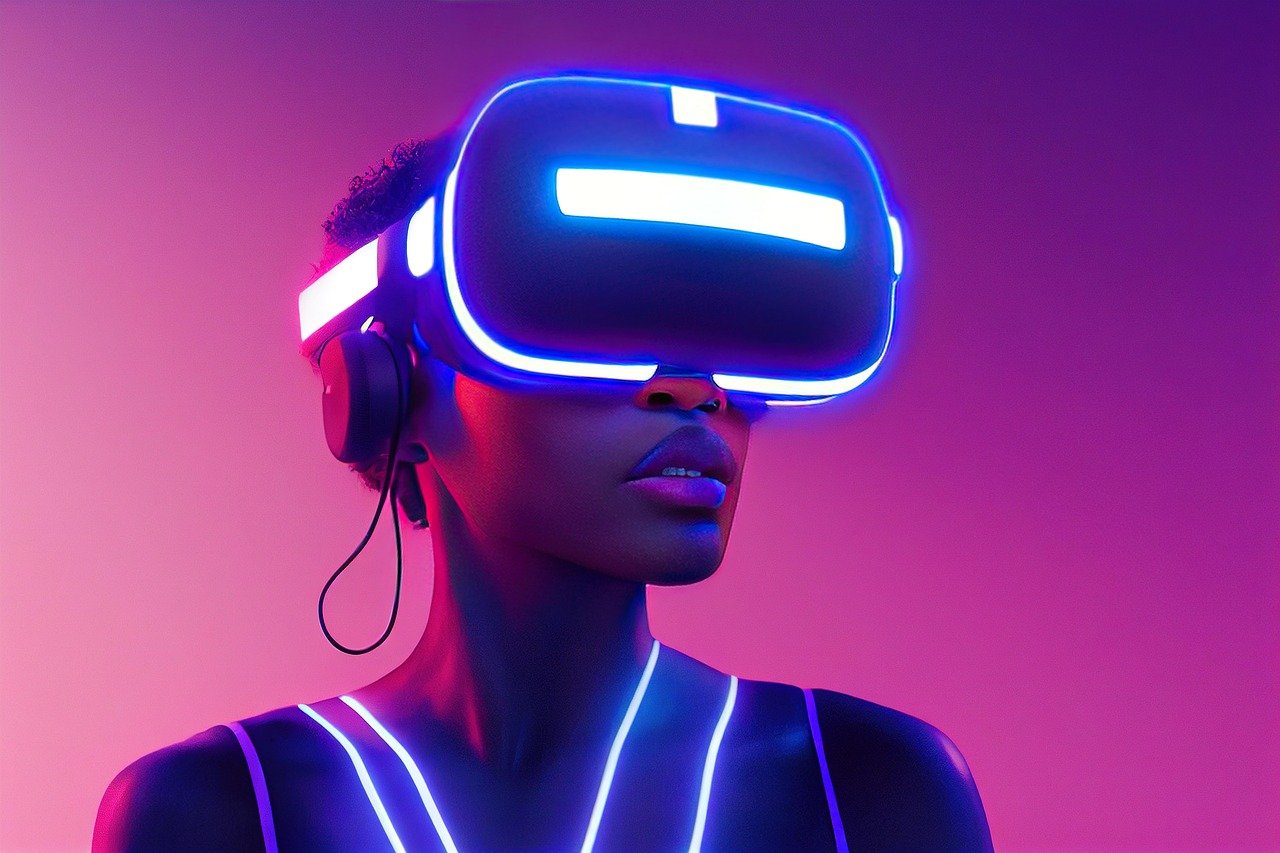
The era of the traditional video call may be coming to an end, making way for "synthetic presence." Meta has introduced the Muse Realtime Avatar, a sophisticated model based on Diffusion Transformers—a type of AI architecture that excels at generating high-quality data—capable of syncing voice tokens with lip movements and facial gestures in less than a second.
From Cartoons to Photorealism
For years, digital avatars were often seen as stylized, cartoonish figures. However, this new leap is powered by the Muse Spark Frontier architecture and a specialized distillation technique that reduces computational costs by 60 times. According to reports, this allows latency to drop to just 870 ms, creating an interaction that feels fluid and natural, closely mimicking a face-to-face conversation.
Two Devices, Two Revolutionary Experiences
Ray-Ban Display
$799 USDIn this version, the avatar is 100% voice-driven. There are no facial sensors; instead, the AI deduces the user's emotion and expression based on how they speak. This feature would reportedly begin rolling out in Autumn 2026 for WhatsApp users in the USA.
Meta VR Glasses
$1,299 USDScheduled for release in Spring 2027, these glasses offer full-body holograms. Unlike the Ray-Bans, these utilize internal cameras and sensors to track actual facial reactions, projecting life-sized avatars with spatial audio for a truly immersive experience.
The Technical Engine: Muse Realtime Voice
This is more than just a visual trick; it is a massive processing ecosystem. Running on GB200 servers, the model can support up to 12 simultaneous sessions, transmitting video at 448x768 resolution and 25 fps. To combat the risk of deepfakes (AI-generated deceptive media), Meta has implemented the Meta Video Seal, an invisible watermark certifying that the content is AI-generated.
Quick Setup Guide
| Initial Setup: | 5 min of photos/voice via Meta AI App |
| Visual Limit: | Predominantly front-facing view |
| Integration: | Native support for WhatsApp & Zoom |
A Hopeful Future for Connectivity
The ability to generate photorealistic avatars through voice alone could democratize virtual reality, providing a powerful tool for people with reduced mobility or those who prefer visual anonymity without losing emotional depth. It is probable that Meta would be integrating these avatars into the Muse Charm ecosystem for hands-free calls. Furthermore, the current limitation of front-facing views might be resolved by implementing real-time 3D generation, potentially allowing users to walk around a hologram without distortions.
Detailed information provided by Mixed News