


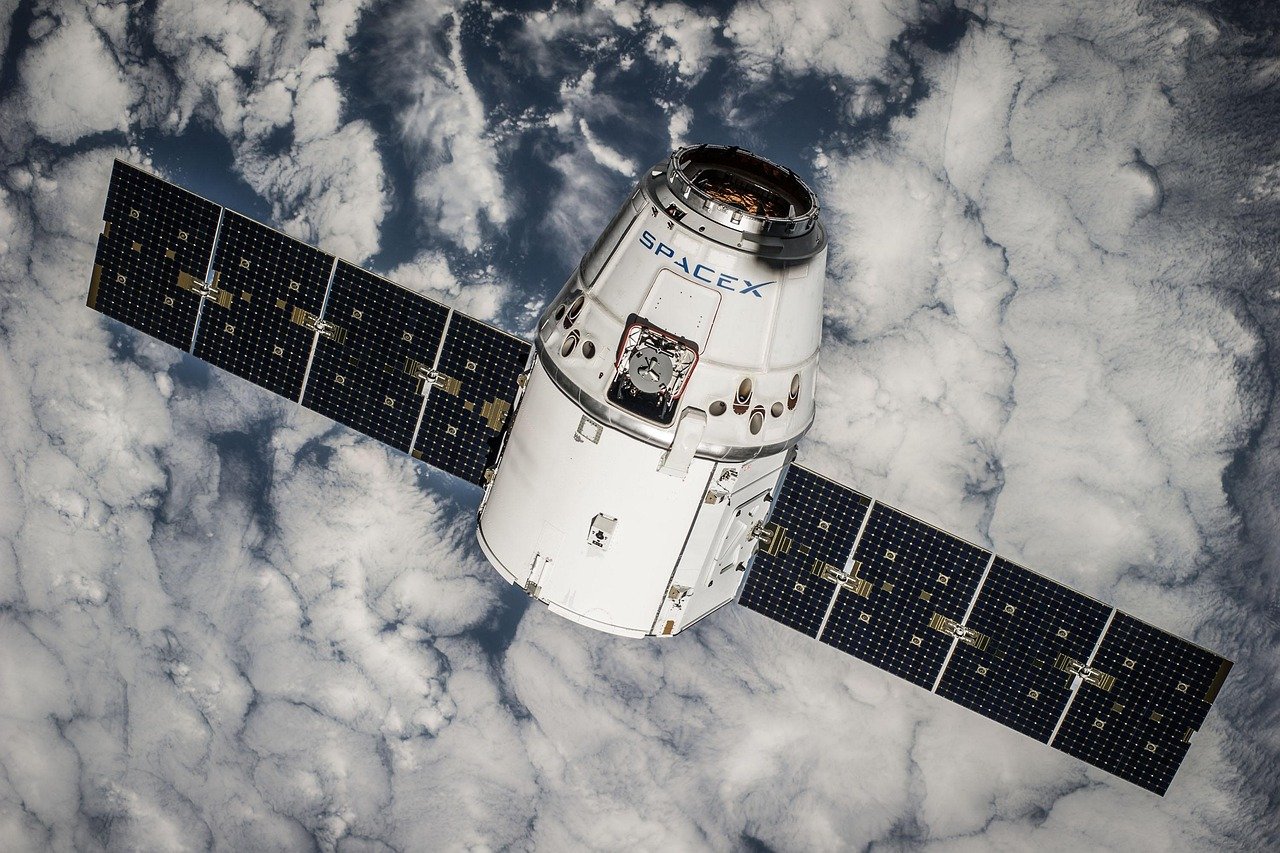
The International Space Station (ISS) — a massive habitable satellite in low Earth orbit that serves as a joint laboratory for several nations — is bidding farewell to one of its most productive crews. According to NASA, the SpaceX Crew-12 mission is scheduled to return to Earth in early October, closing a cycle of experiments that push the boundaries of medicine and physics.
The International Team
The mission was composed of a diverse group of experts: Americans Jessica Meir and Jack Hathaway, French astronaut Sophie Adenot (representing the European Space Agency - ESA), and Russian cosmonaut Andrey Fedyaev (representing Roscosmos).
Scientific Milestones
Work in space is not just about exploration; it is pure applied science. The crew focused on solving complex problems that can only be studied in the absence of gravity (microgravity), which allows materials to behave in ways impossible on Earth.
- Fight Against Cancer: Growing crystals to optimize oncological drugs for better effectiveness.
- Quantum Physics: Studying ultracold atoms at the Cold Atom Lab to pioneer next-gen technologies.
- Regenerative Medicine: Producing stem cells to treat leukemia and other blood-related diseases.
- Bioengineering: Developing cartilage tissue for medical implants and studying antibiotic-resistant bacteria.
Technical Innovations
Astronaut Sophie Adenot led key advancements in infrastructure and bone health, integrating tools that will allow astronauts to be more autonomous during long-duration missions to the Moon or Mars.
| Innovation | Objective / Application |
|---|---|
| Metal 3D Printer | On-demand part manufacturing in space. |
| Wooden Scaffolds | Bone regeneration to combat osteoporosis. |
| IV Fluid System | Serum generation for long-haul missions. |
| Particle Analysis | Optimizing pharmaceutical and 3D industries. |
Source: NASA