


13/06/2026 15:25 - Internacionales
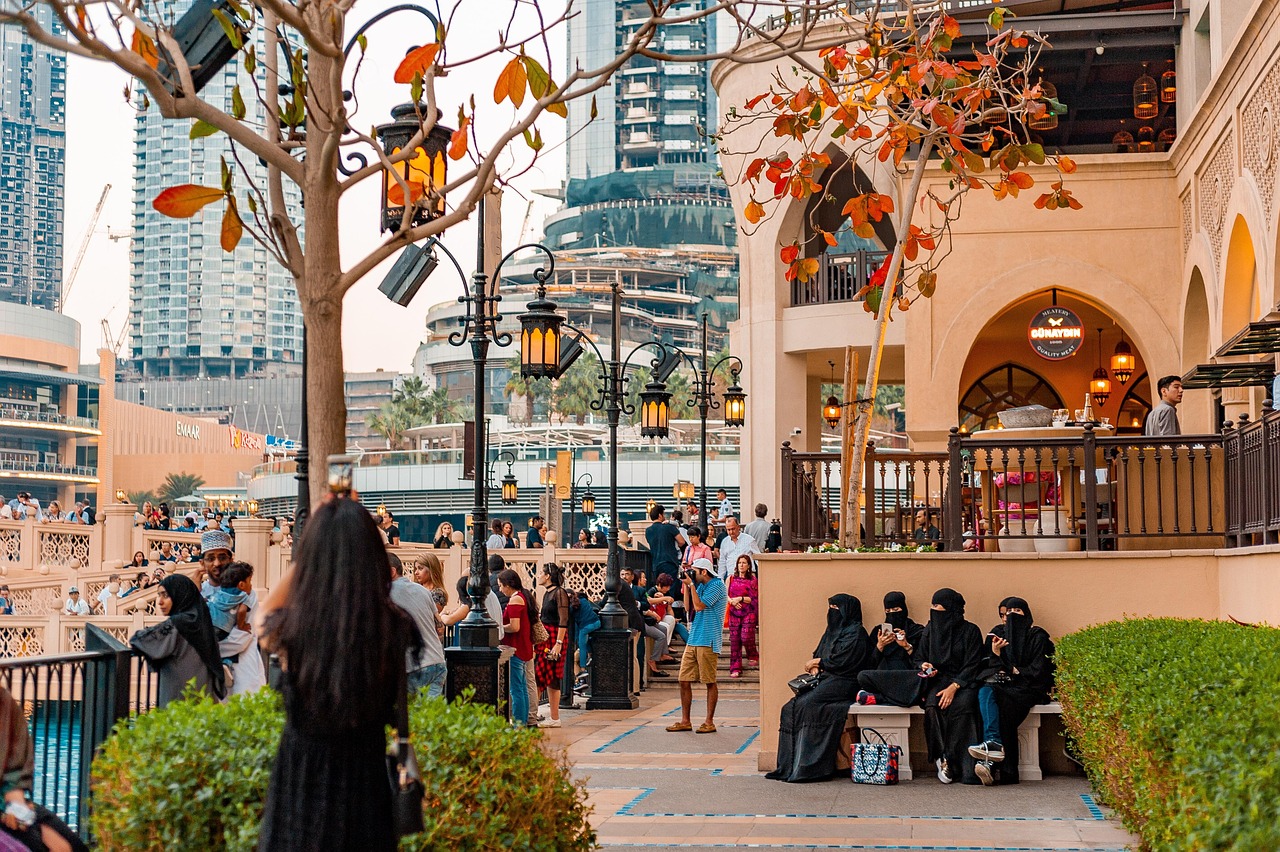
Vista panorámica de una ciudad suiza moderna con reloj histórico en torre, calles peatonales con comercios y restaurantes, montañas nevadas al fondo, diversidad de personas caminando, ambiente europeo cosmopolita
On Sunday, June 14, 2026, Switzerland is set to become the first country in modern history to hold a national referendum on imposing a strict ceiling on its total population. Swiss voters will answer "Yes" or "No" to a binding initiative that would mandate the government to ensure the national population does not exceed 10 million residents before the year 2050.
This groundbreaking vote, championed by the Swiss People's Party (SVP/UDC)—the country's largest political force—would trigger automatic restrictive measures once the nation reaches 9.5 million inhabitants. Currently, Switzerland has a population of approximately 9.1 million, with foreign nationals comprising about 27-28% of all residents.
Switzerland operates under a system of direct democracy, where citizens can force national votes on almost any issue by collecting 100,000 signatures. This mechanism gives Swiss voters extraordinary power to shape policy directly—something virtually unheard of in other democracies.
Over the past two decades, Switzerland's population has surged by 20%—climbing from roughly 7 million in 2002 to the current 9.1 million. This rapid expansion has sparked intense debate about infrastructure capacity, housing affordability, and national identity.
According to official statistics, Switzerland's population density has risen from 218.56 inhabitants per km² in 2020 to approximately 226 per km² today, placing it among the ten most densely populated nations in Europe.
Nils Fiechter, a parliamentarian from the canton of Bern and supporter of the initiative, declared: "We have lost control. Uncontrolled immigration is causing Switzerland to stop being Switzerland."
Unlike many European nations, Switzerland is not a member of the European Union. However, it participates in the EU single market through a complex web of bilateral agreements. The most significant of these guarantees free movement of people—allowing any EU citizen to live and work in Switzerland. This arrangement has been crucial for Switzerland's economy, but it's precisely what the initiative would dismantle.
The most explosive aspect of this referendum is its potential to rupture relations with the European Union. Switzerland maintains over 120 bilateral agreements with the EU, with the free movement of people being a cornerstone.
Brussels has been unequivocal: non-member countries cannot cherry-pick benefits of the single market while rejecting its core principles. If the initiative passes and Switzerland reaches the 10-million threshold, the government would be constitutionally obligated to terminate free movement—potentially triggering a cascade of treaty cancellations.
Rudolf Minsch, chief economist at Economiesuisse (Switzerland's largest business federation), warned: "The EU remains, by far, Switzerland's most important trading partner." Switzerland conducts approximately 52% of its trade with EU nations.
Swiss People's Party (SVP)
Slogan: "No to a Switzerland of 10 million"
The conservative-right party argues that immigration strains housing, transportation, schools, and healthcare. They claim current growth is unsustainable for a small Alpine nation.
Government + All Other Parties + Business + Unions
They've branded this the "Chaos Initiative" or "Termination Initiative", warning of economic catastrophe. Note: 50% of hotel employees are foreign nationals, and hospitals depend heavily on immigrant staff.
Campaign posters for "No" feature Donald Trump, Vladimir Putin, and Xi Jinping, asking: "Break with Europe, at a time like this?"
Switzerland currently faces 39% tariffs from Washington on exports, with negotiations ongoing to reduce them to 15%.
Recent opinion surveys reveal an exceptionally close contest, with a slight edge for the "No" vote:
| Position | Support |
|---|---|
| Against (No) | 52% |
| In Favor (Yes) | 45% |
| Undecided | 3% |
Notably, the 830,000 Swiss citizens living abroad are not counted in the population total—but they can vote. The Organization of the Swiss Abroad has urged rejection of the initiative, warning it endangers free movement that benefits expatriates.
While China famously implemented its one-child policy to curb population growth, no nation has ever attempted to impose a strict numerical cap on total residents through a popular vote. The outcome of this referendum could establish a powerful precedent for other European countries wrestling with immigration debates and questions of national capacity.
Whether Switzerland chooses to keep its doors open or draw a hard line on population growth, the world will be watching this historic democratic exercise.
Sources: BBC Mundo, El Litoral, Reuters, Swiss Federal Statistical Office, Economiesuisse.

Alfredo S. Quiroga
Conspiraciones