14/06/2026 12:41 - Tecnologia
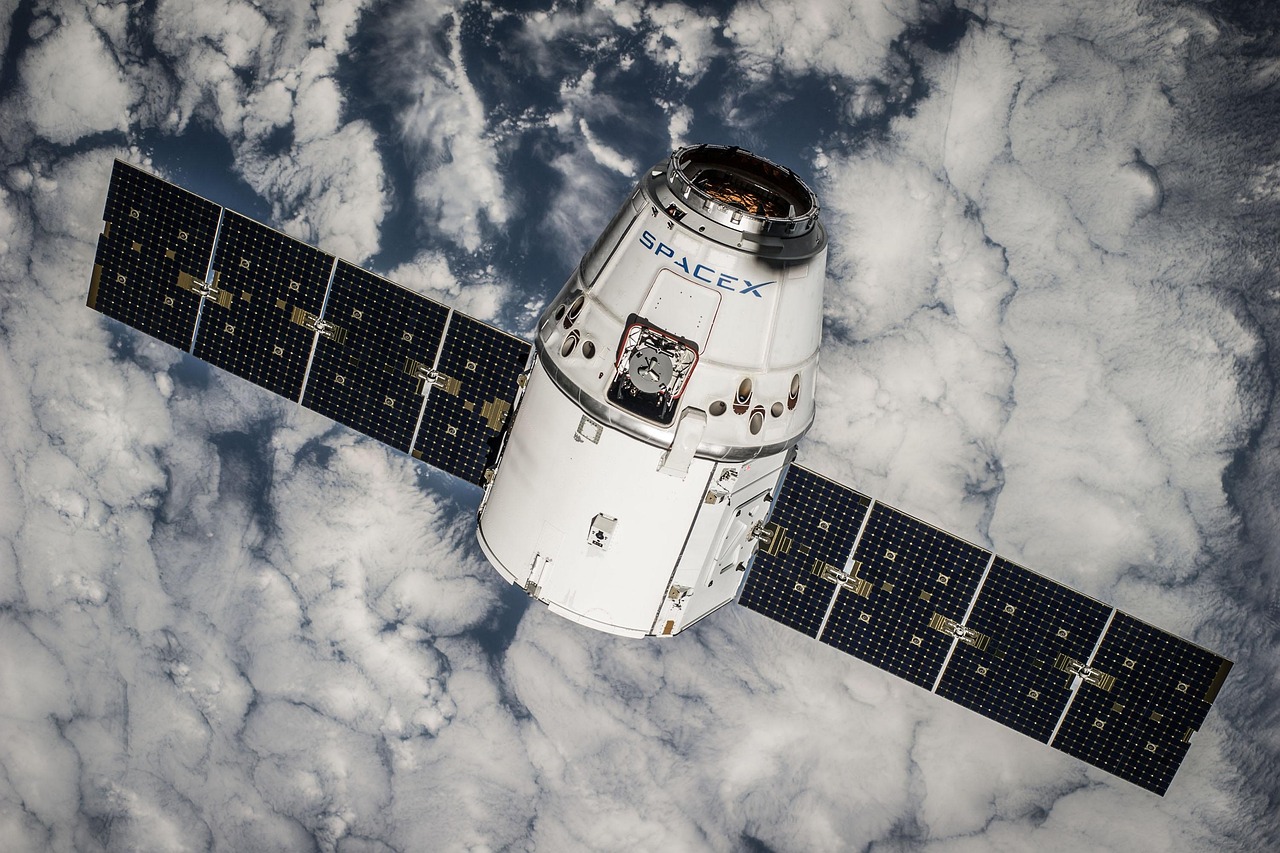
Vista espectacular de una nave espacial Orion acoplándose a un módulo lunar en órbita terrestre con el planeta Tierra visible en el fondo, representando la misión Artemis III de la NASA con iluminación cinematográfica y ambiente espacial realista.
NASA is preparing to execute the most complex launch campaign in lunar history with Artemis III, a mission that will require the coordinated liftoff of three of the world's most powerful rockets to validate rendezvous and docking maneuvers that will enable humanity's return to the lunar surface.
The plan, scheduled for late 2027, will transform lunar exploration into an unprecedented logistical and technological challenge. The mission will test hardware, software, communications, and interfaces between spacecraft, with the goal of preparing the next stage of human exploration beyond Earth's orbit.
The timeline calls for NASA's powerful Space Launch System (SLS) to launch the Orion capsule carrying its four crew members from Kennedy Space Center in Florida into low Earth orbit. There, an unprecedented sequence of tests will begin.
"Artemis III is an incredibly exciting, complex, and highly coordinated multi-launch campaign. It will take place over a short period of time with three of the most powerful rockets in the world," explained Jeremy Parsons, deputy manager of NASA's Exploration Ground Systems program.
| Estimated date: | Late 2027 |
| Crew: | 4 astronauts |
| Rockets: | 3 (SLS, New Glenn, Starship) |
| Objective: | Validate lunar dockings |
| Next: | Artemis IV (2028) |
For the first time, an astronaut from the European Space Agency (ESA)—the intergovernmental organization of 22 member states dedicated to space exploration—will be part of an Artemis mission, alongside three Americans with outstanding track records. The group consists of:
Veteran NASA astronaut selected in 2004. He was a combat pilot in the United States Marine Corps.
First ESA astronaut on an Artemis mission. Colonel in the Italian Air Force.
Physician and engineer, son of Salvadoran immigrants. Born in Los Angeles and raised in Miami.
The only space debutant on Artemis III. Mechanical engineer with a doctorate in systems engineering.
Bob Hines, a colonel in the US Air Force, was pilot of the SpaceX Crew-4 mission and has 170 days in space. If one of the primary crew members cannot participate, Hines will join the main team.
ESA will contribute its third European Service Module for this test flight in Earth orbit, a key component to test approach and docking functions in preparation for future lunar landing missions.
"The news from Houston represents a powerful recognition of ESA's role in making humanity's return to the Moon possible. Europeans can be proud to be part of this exciting journey," the European Space Agency stated.
Preparations are progressing at a good pace:
The central objective is to validate docking procedures and hardware, ensure interoperability between systems from different providers, and test next-generation extravehicular suits developed by Axiom Space.
According to NASA, the Artemis program aims to "explore the Moon further for scientific discoveries and economic benefits, establish a lasting human presence on the lunar surface, and lay the groundwork for the first crewed missions to Mars".
The success of Artemis III will set the course for the crewed lunar landing of Artemis IV in 2028 at the Moon's south pole, and will establish the foundations for future missions to the red planet and beyond.
• Infobae - "Three rockets, two orbital dockings and four astronauts: this will be NASA's Artemis III mission" (June 14, 2026)
• La Nación - "Artemis III: who are the four astronauts for NASA's new mission in 2027" (June 14, 2026)
• Diario Jornada - "Luca Parmitano, the first Italian astronaut on a NASA mission" (June 11, 2026)

Alfredo S. Quiroga
Conspiraciones