


14/06/2026 21:05 - Internacionales
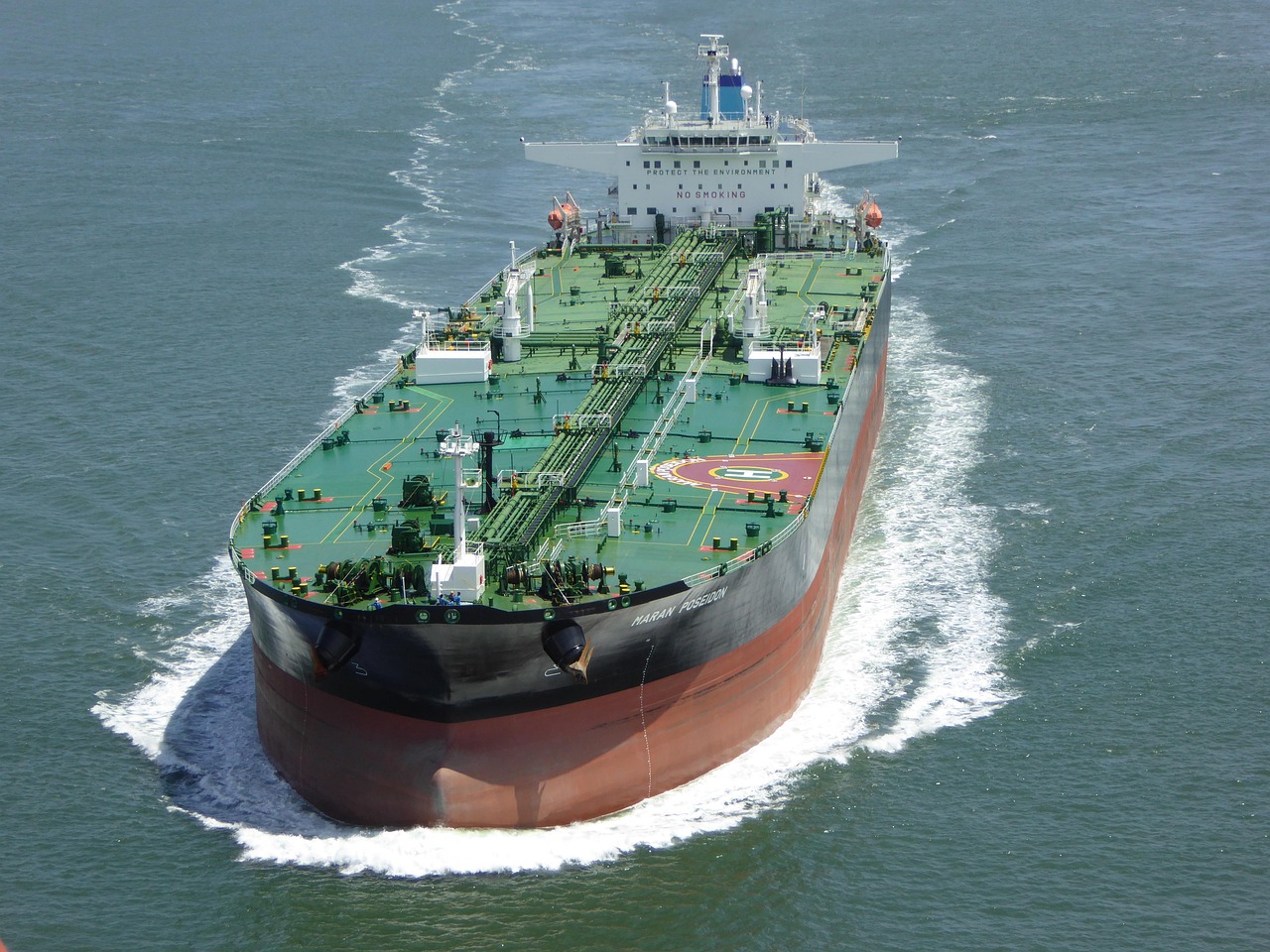
Vista aérea del Estrecho de Ormuz con buques petroleros y mapa de Medio Oriente mostrando los países involucrados en el acuerdo de paz
U.S. President Donald Trump announced that the peace agreement with Iran will be signed on Sunday, June 14, 2026 via virtual meeting, ending more than 100 days of conflict in the Middle East that left over 3,700 dead in Lebanon since the hostilities began on February 28, 2026.
The deal marks a significant diplomatic milestone with direct implications for the world economy, particularly for the oil market which faced an unprecedented crisis during what analysts dubbed the "Third Gulf War."
These nations served as intermediaries in negotiations that made the agreement possible.
The announcement triggered an immediate drop in international crude prices:
| Crude Type | Price (06/13/2026) | Change |
|---|---|---|
| Brent | USD 88.27/barrel | -2.3% |
| WTI | USD 85.81/barrel | -2.2% |
Open interest in Brent crude futures plummeted 17% in 2026, the worst performance since 2009. ING analysts warned that prices could surge to USD 120-130/barrel if oil flows do not resume before late July.
After more than 100 days of conflict, global strategic oil reserves reached critical levels:
Iran: Iranian Foreign Minister Araghchi stated that the nuclear program will be discussed during the 60 days following the agreement. Iran demands a ceasefire in Lebanon and warned that negotiations make no sense if the United States fails to honor its commitments.
Israel: The country warned it may act independently if it perceives its security is threatened. Hardline ministers Ben Gvir and Smotrich called for more attacks against Lebanon. Israel struck over 70 Hezbollah targets in southern Lebanon and bombed the Dahye neighborhood in Beirut, leaving at least 3 dead and 6 wounded.
United States: Trump will attend the G7 summit in France on Monday after signing the agreement. Negotiator Qalibaf criticized what he called the "good cop, bad cop" strategy.
The Strait of Hormuz is a strategic passage located between the Persian Gulf and the Gulf of Oman. Approximately 20% of the world's oil transits through this waterway, making it one of the most critical chokepoints for global energy supply. Its closure during the conflict triggered an unprecedented crisis in worldwide energy distribution.
Why It Matters: For readers unfamiliar with Middle Eastern geopolitics, the Strait of Hormuz is a narrow waterway only 21 miles (33 km) wide at its narrowest point. Iran's ability to block or threaten this passage has long been considered one of its most powerful leverage points in international negotiations, as any disruption immediately impacts global oil prices and energy security.
Hezbollah: A Lebanese Shia Islamist political party and militant group, considered one of the most powerful non-state actors in the world. Designated as a terrorist organization by several Western countries, Hezbollah operates as a proxy for Iranian interests in the region.
Ben Gvir & Smotrich: Israeli far-right ministers in the coalition government. Itamar Ben Gvir serves as National Security Minister, while Bezalel Smotrich is Finance Minister. Both are known for their hardline positions on security and settlement expansion.
Dahye (Dahiya): A southern suburb of Beirut, Lebanon, known as a Hezbollah stronghold. It has frequently been targeted in conflicts involving Israel.
Source: Infobae

Alfredo S. Quiroga
Conspiraciones