15/06/2026 22:21 - Internacionales
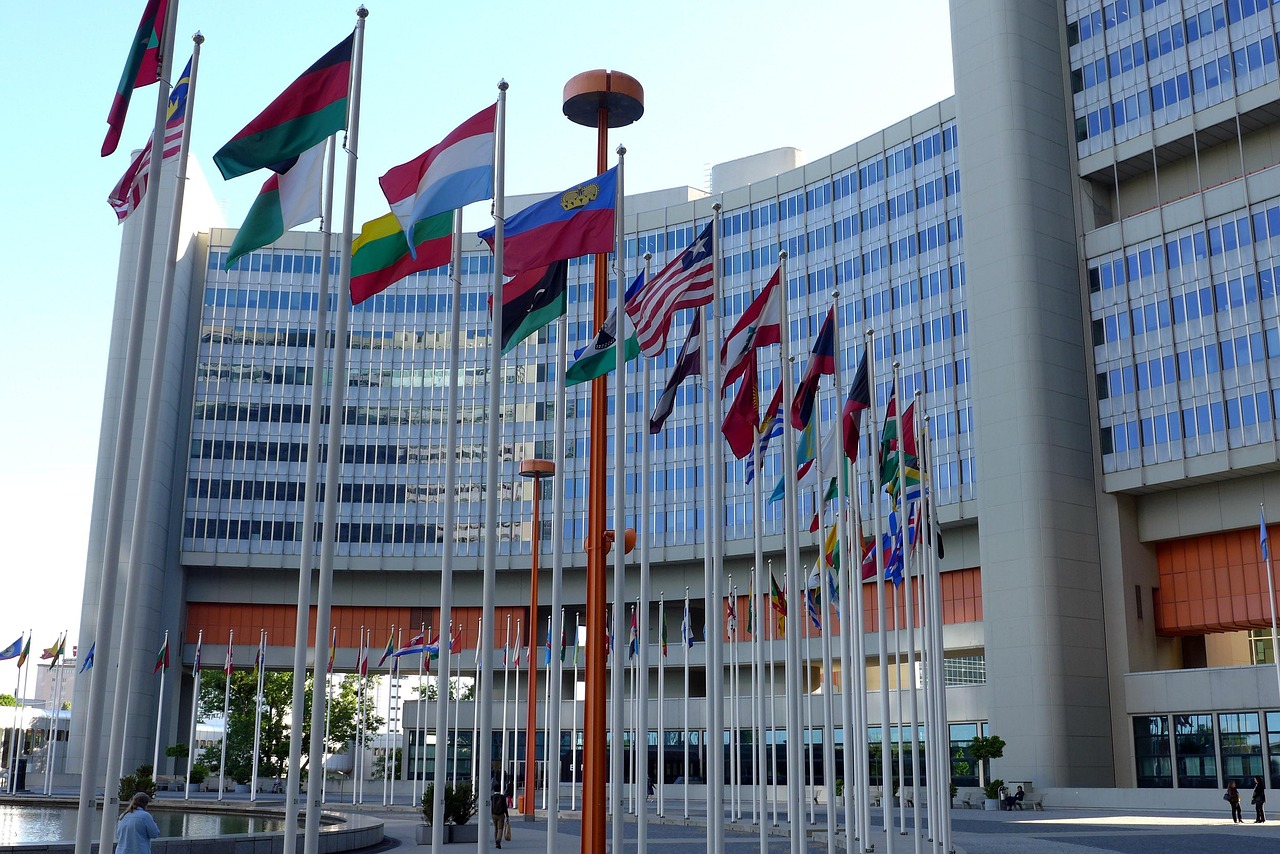
Representación simbólica de un acuerdo de paz internacional con banderas de Estados Unidos e Irán, documentos diplomáticos sobre una mesa, ambiente de conferencia de prensa oficial, iluminación profesional
U.S. President Donald Trump, Vice President J.D. Vance, and Iranian Parliament Speaker Mohammad Bagher Ghalibaf electronically signed the peace agreement between the United States and Iran on June 15, 2026, as confirmed by a senior U.S. government official during a conference call with journalists.
"The President wanted to sign it personally to demonstrate his dedication to achieving a successful resolution," the official explained, speaking on condition of anonymity. The official signing ceremony is scheduled for Friday, June 19, 2026, in Geneva, Switzerland.
Context: Mohammad Bagher Ghalibaf is the Speaker of Iran's Parliament (Islamic Consultative Assembly). He is a conservative politician and former commander of the Islamic Revolutionary Guard Corps (IRGC) Air Force. His participation in this agreement represents a significant diplomatic shift for Iran.
Trump announced that the strategic Strait of Hormuz will be "completely open" starting Friday, allowing the free transit of oil and gas from the Persian Gulf.
"Ships are beginning to sail through the Strait of Hormuz, many loaded with oil. They are traveling along the southern 'highway,' which is completely safe and pristine," Trump declared on his Truth Social platform while traveling to the G7 summit in Évian, France.
The Strait of Hormuz is a narrow waterway between the Persian Gulf and the Gulf of Oman. Approximately 20% of the world's oil passes through this strategic chokepoint, making it critical for global energy markets.
Iran warned it will charge fees for maritime services to vessels transiting through the strait, as confirmed by Iranian Foreign Ministry spokesman Esmail Baghaei.
"We have always stated that we do not seek to collect transit tolls, but fees will be charged for navigation services, environmental protection, maritime insurance, and other necessary services," Baghaei explained at a press conference.
Vice President Vance told CNBC that the United States hopes "there will be no long-term toll" and that they will negotiate this point during technical talks scheduled for the next two months.
Israeli Prime Minister Benjamin Netanyahu stated that the war freed Israel from the threat of "nuclear destruction." "Most importantly, we saved the State of Israel from the threat of nuclear destruction," he affirmed in his first public statements following the agreement.
However, Netanyahu clarified that Israeli troops will remain in Lebanon, Gaza, and Syria "for as long as necessary."
Background: Israel has been conducting military operations in Gaza since October 2023, in Lebanon since late 2024, and has maintained presence in parts of Syria. Netanyahu, Israel's longest-serving prime minister, has faced international criticism for civilian casualties but maintains strong domestic support on security issues.
The Iran-backed Islamist group Hezbollah issued a statement expressing "deep gratitude" to Iran for its support of Lebanon and for insisting on including the country in any ceasefire agreement. The Shia movement threatened not to accept "any aggression that violates its country's sovereignty."
Who is Hezbollah? Hezbollah is a powerful Lebanese Shia political party and militant organization, designated as a terrorist group by several countries. It has significant influence in Lebanese politics and has been a key ally of Iran in the region since its founding in the 1980s.
European Commission President Ursula von der Leyen stated that lifting European sanctions on Iran is conditional on "real change on the ground." The sanctions respond to human rights violations and Iran's nuclear and ballistic programs.
Deaths in Lebanon
Injured in Lebanon
Displaced in Lebanon
UN High Commissioner for Human Rights Volker Türk also reported that at least 18 protesters have been executed in Iran since January for "national security" reasons, as part of the crackdown on anti-regime protests.
European Central Bank President Christine Lagarde welcomed the agreement but remained cautious: "The story is not over," she warned, noting that the issue of uranium enrichment "remains to be debated."
Lagarde highlighted the importance of reopening the Strait of Hormuz to stabilize commodity prices, following months of instability caused by the conflict that began on February 28, 2026.
In a related development, the Eurosatory arms fair in Paris blocked Israeli company pavilions by order of the French government, which banned the promotion of offensive Israeli weapons. Israel's Defense Ministry called the measure "cynical and discriminatory."
The peace agreement was made possible through the mediation of Pakistan, Qatar, Saudi Arabia, and Turkey, countries that facilitated negotiations between Washington and Tehran during more than three months of conflict.
Sources: Deutsche Welle, AFP, Reuters, EFE, DPA
Alfredo S. Quiroga
Conspiraciones