19/06/2026 13:06 - Actualidad
Un imponente mástil de 60 metros de altura con una bandera argentina flameando al viento, ubicado en un parque verde con un anfiteatro de piedra al aire libre y cerros en el fondo, bajo un cielo azul celeste.
Flag Day (Día de la Bandera) is celebrated every June 20th across Argentina, commemorating the death of Manuel Belgrano, the founding father who created the iconic sky-blue and white flag. For foreign visitors unfamiliar with Argentine traditions, this date represents one of the most important patriotic holidays in the country—a time when schools, government offices, and businesses close to honor the national symbol.
The Historical Reclamation Monument to General Manuel Belgrano is located in Toro Negro, a rural area approximately 65 kilometers (40 miles) north of San Luis city, the capital of San Luis Province. The site sits at the intersection of National Route 146 and Provincial Route 45, making it easily accessible by car for visitors exploring central Argentina.
The monument's centerpiece is an impressive 60-meter (197-foot) flagpole, officially recognized as the tallest in all of Argentina—surpassing even the famous National Flag Monument in Rosario. For international visitors, this is roughly equivalent to a 20-story building, making it visible from kilometers away.
The structure is accompanied by four concrete standards, each 20 meters tall, representing the nearby municipalities of La Calera, Nogolí, Villa de la Quebrada, and Villa General Roca. These four pillars symbolize the unity of communities sharing the region's historical and cultural heritage.
The monument complex includes an amphitheater with capacity for 15,000 spectators, where patriotic ceremonies take place throughout the year. Every June 20th, thousands gather here for:
| June 20, 1820 | Belgrano's death |
| June 20, 2005 | Monument inauguration |
| June 20, 1957 | Rosario monument |
| June 20 | National Flag Day |
For those unfamiliar with Argentine history, Manuel José Joaquín del Corazón de Jesús Belgrano (1770-1820) was a lawyer, economist, and military leader who played a crucial role in Argentina's independence movement. He participated in the May Revolution of 1810, which marked the beginning of Argentina's struggle for independence from Spain.
Belgrano created the national flag on February 27, 1812, raising it for the first time along the Paraná River in what is now the city of Rosario. The colors—celeste (light blue) and white—were chosen from the cockade (a rosette worn on hats) he had designed earlier. Some historians believe the light blue represents the sky, while others suggest it honors the Virgin Mary's mantle. The flag was officially approved by the Congress of Tucumán on July 20, 1816, shortly after Argentina declared independence.
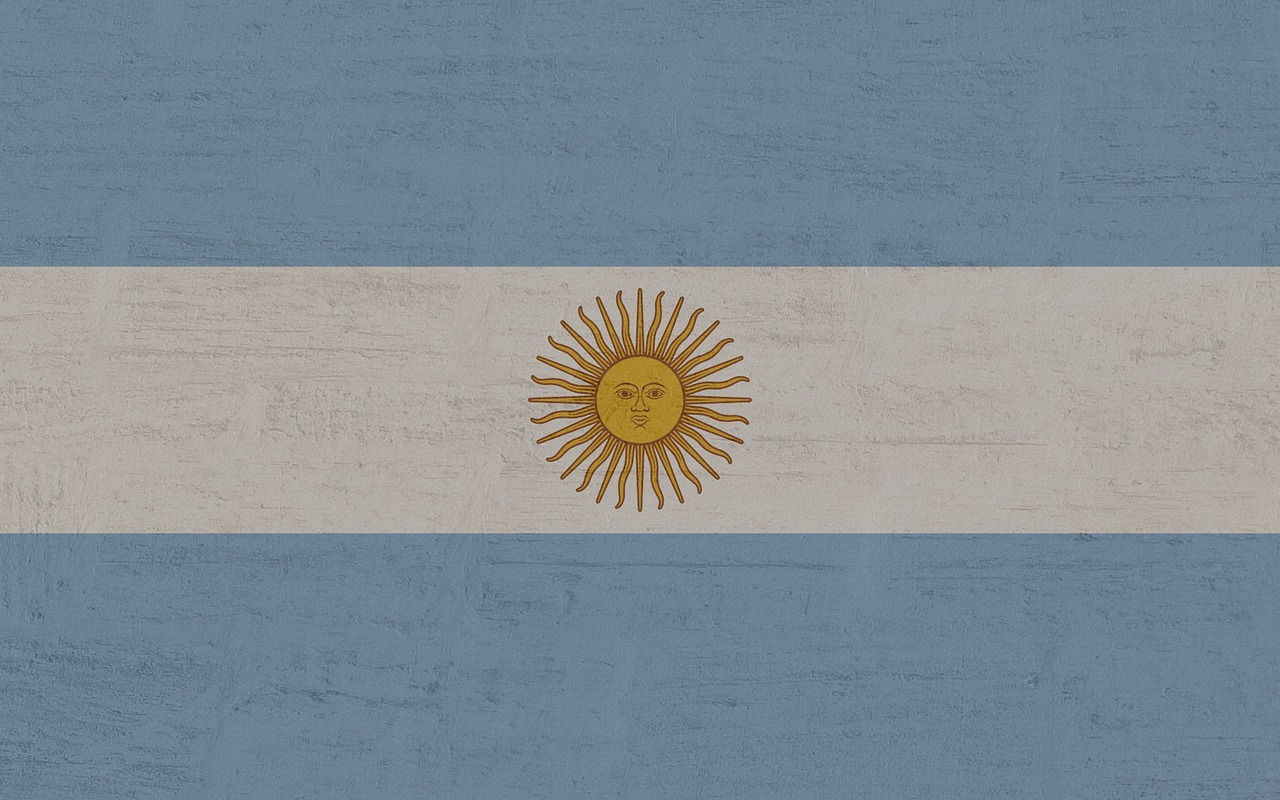
In 1818, the May Sun (Sol de Mayo) was added to the flag's white center stripe. This golden sun features 32 alternating straight and wavy rays and symbolizes the May Revolution of 1810. The image also connects to Inca sun worship, representing the dawn of a new nation. The complete flag is known as the "official ceremony flag" (Bandera Oficial de Ceremonia), while the version without the sun is used as the civil flag for everyday purposes.
Beyond its historical significance, the monument offers visitors a chance to explore the natural beauty of San Luis Province. The surrounding three-hectare park is perfect for:
The first Argentine flag was sewn by María Catalina Echeverría, a woman whose contribution to Argentine history is now celebrated alongside Belgrano's vision. The flag's design has remained essentially unchanged for over two centuries, making it one of the oldest national symbols in Latin America.
More than two decades after its inauguration on June 20, 2005, the Historical Reclamation Monument to General Manuel Belgrano remains one of the most important cultural landmarks in central Argentina. Its massive flag, visible from great distances, seems to unite sky and earth in a single message: a nation built on ideals of freedom, education, and civic commitment.
Sources: LA NACION | Agencia de Noticias San Luis

Alfredo S. Quiroga