


19/06/2026 15:59 - Economia
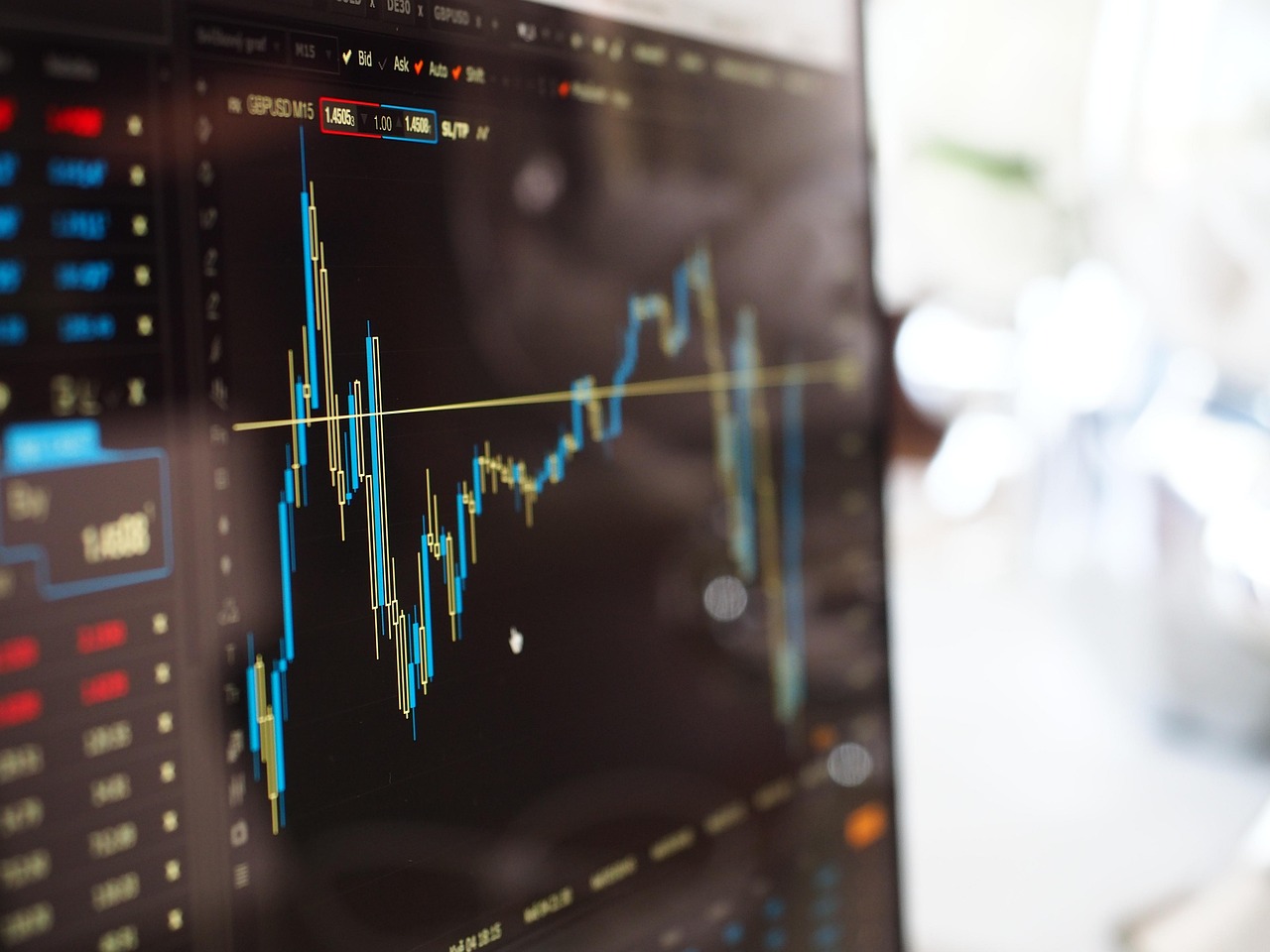
Piso de operaciones financieras con múltiples pantallas mostrando gráficos bursátiles verdes ascendentes, índices S&P Merval y riesgo país Argentina en paneles digitales iluminados
US stock markets closed on Thursday, June 18, 2026 with significant gains, driven by optimism surrounding the peace deal in the Middle East between the United States and Iran. This favorable backdrop offset concerns regarding a tighter monetary policy from the Federal Reserve under its new chair, Kevin Warsh.
All three major Wall Street indices traded in record-high territory, with advances ranging between 0.1% and 1.9%. The semiconductor sector led the surge, with Intel soaring nearly 10.6% after Donald Trump announced a collaboration with Apple to manufacture chips domestically in the US.
Brent Crude from the North Sea fell 0.2%, settling at USD 79.41 per barrel for August delivery. West Texas Intermediate (WTI) dropped 0.7%, ending at USD 75.51 per barrel.
The decline in oil prices is linked to the Middle East peace deal and the reopening of the Strait of Hormuz.
| Instrument | Variation | Notes |
|---|---|---|
| BBVA | +4.1% | Leading bank ADR |
| Globant | -11.2% | Biggest drop of the day |
| Nvidia | +3% | Semiconductor sector strength |
| SpaceX | -3.6% | Traded at USD 185 per share |
According to Emilio Botto, Head of Strategy and Investments at Mills Capital: "The recent compression of country risk was more linked to the improvement in credit ratings and the recognition of macroeconomic consistency than to a disconnect between fiscal and exchange rate fronts. The market is rewarding the combination of fiscal discipline, reserve accumulation, and greater predictability in economic policy."
The peace agreement between the United States and Iran, signed on June 17, 2026 at the G7 summit in Versailles, includes a cessation of hostilities, the reopening of the Strait of Hormuz (through which 20% of the world's oil transits), and a reconstruction fund of USD 300 billion.
The Argentine country risk spread at 429 basis points marks a historic low not seen since April 2018. For international investors, the 'country risk' spread measures the extra yield investors demand to hold Argentine debt compared to safe US Treasury bonds. This improvement adds to an S&P rating upgrade from CCC+ to B-, World Bank approvals for USD 2 billion, and IDB financing of USD 500 million, alongside the Central Bank's net purchase of over USD 10.6 billion in reserves during 2026.

Alfredo S. Quiroga
