


20/06/2026 03:42 - Internacionales
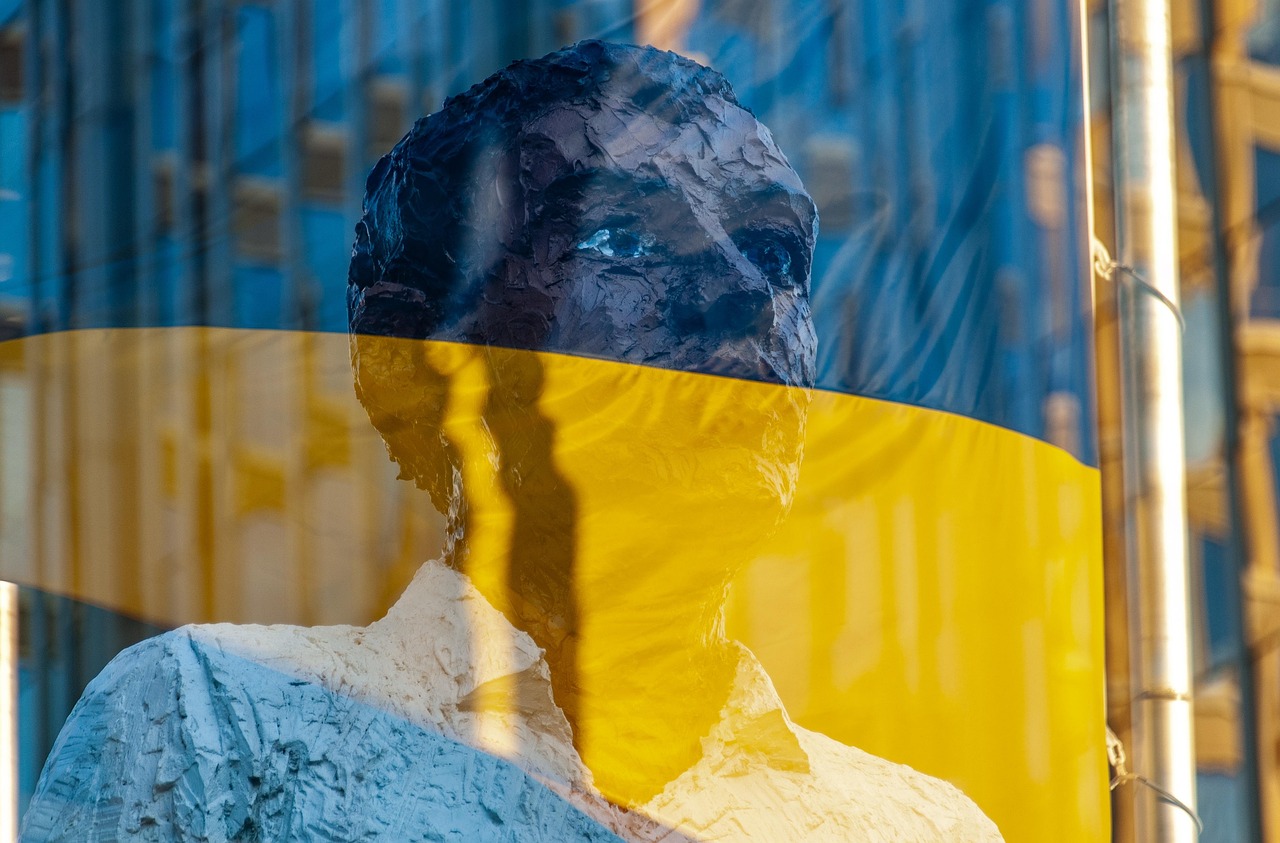
Dos banderas nacionales, polaca y ucraniana, enfrentadas con una medalla dorada del Águila Blanca suspendida entre ellas siendo retirada simbólicamente, ambiente serio de crisis diplomática
In a stunning diplomatic move, Polish President Karol Nawrocki announced on June 19, 2026 that he would withdraw Poland's highest state decoration from Ukrainian President Volodymyr Zelenskyy. The Order of the White Eagle, awarded to Zelenskyy in April 2023 as a symbol of Polish-Ukrainian solidarity against Russian aggression, will be revoked following what Poland considers an unacceptable historical provocation.
The controversy centers on Zelenskyy's decision to name a Ukrainian military unit after the Ukrainian Insurgent Army (UPA), a World War II-era organization that Poland holds responsible for the systematic massacre of approximately 100,000 Polish civilians in what is now western Ukraine.
— Polish President Karol Nawrocki, via X (formerly Twitter)
The Order of the White Eagle (Order Orła Białego) is Poland's oldest and highest state decoration, established in 1705. It is awarded to both Polish citizens and foreign nationals for exceptional merit. Previous foreign recipients have included monarchs, heads of state, and military leaders who demonstrated outstanding service to Poland or humanity.
Zelenskyy received this honor in April 2023 as recognition for his leadership during Russia's full-scale invasion and to symbolize the extraordinary support Poland provided to Ukraine—hosting nearly 1 million Ukrainian refugees (according to Eurostat) and serving as the primary conduit for Western military aid.
| Aspect | Details |
|---|---|
| Active Period | Approximately 1942-1950 |
| Primary Goal | Independence for Ukraine from all occupying powers |
| Main Opponents | Soviet Army, Polish resistance, German Nazi forces (selectively) |
| Polish Civilian Deaths | ~100,000 (Polish government estimate) |
| Key Operations | Volhynian massacres (1943-1945) |
Context for international readers: The Volhynian massacres represent one of the most painful chapters in Polish history. Between 1943 and 1945, UPA forces conducted what Poland describes as a systematic ethnic cleansing campaign against Polish civilians living in the regions of Volhynia and Eastern Galicia—territories that were then part of eastern Poland but are now in western Ukraine.
This diplomatic crisis arrives at a critical moment. Poland has been Ukraine's most steadfast ally since Russia's February 2022 invasion, providing military equipment, humanitarian corridors, and serving as the logistical hub for Western support. According to a poll by Onet.pl, 65% of Polish citizens believe Zelenskyy's decision to honor the UPA negatively impacts bilateral relations.
The withdrawal of Poland's highest honor sends a powerful message: historical memory remains deeply important in Eastern European politics, and even wartime alliances cannot override certain historical grievances. For Ukraine, however, honoring the UPA represents a claim to national sovereignty and resistance against centuries of foreign domination.
Despite this rupture, both nations face a shared existential threat from Russian aggression. The diplomatic challenge will be balancing historical truth with contemporary security needs. Poland and Ukraine have previously established joint historical commissions to address painful chapters from World War II—this incident may either reignite those efforts or further complicate an already fragile relationship.
Sources: Deutsche Welle, La Vanguardia, Agencia EFE, DPA, Reuters, Onet.pl, Eurostat.

Alfredo S. Quiroga
