


22/06/2026 03:53 - Actualidad
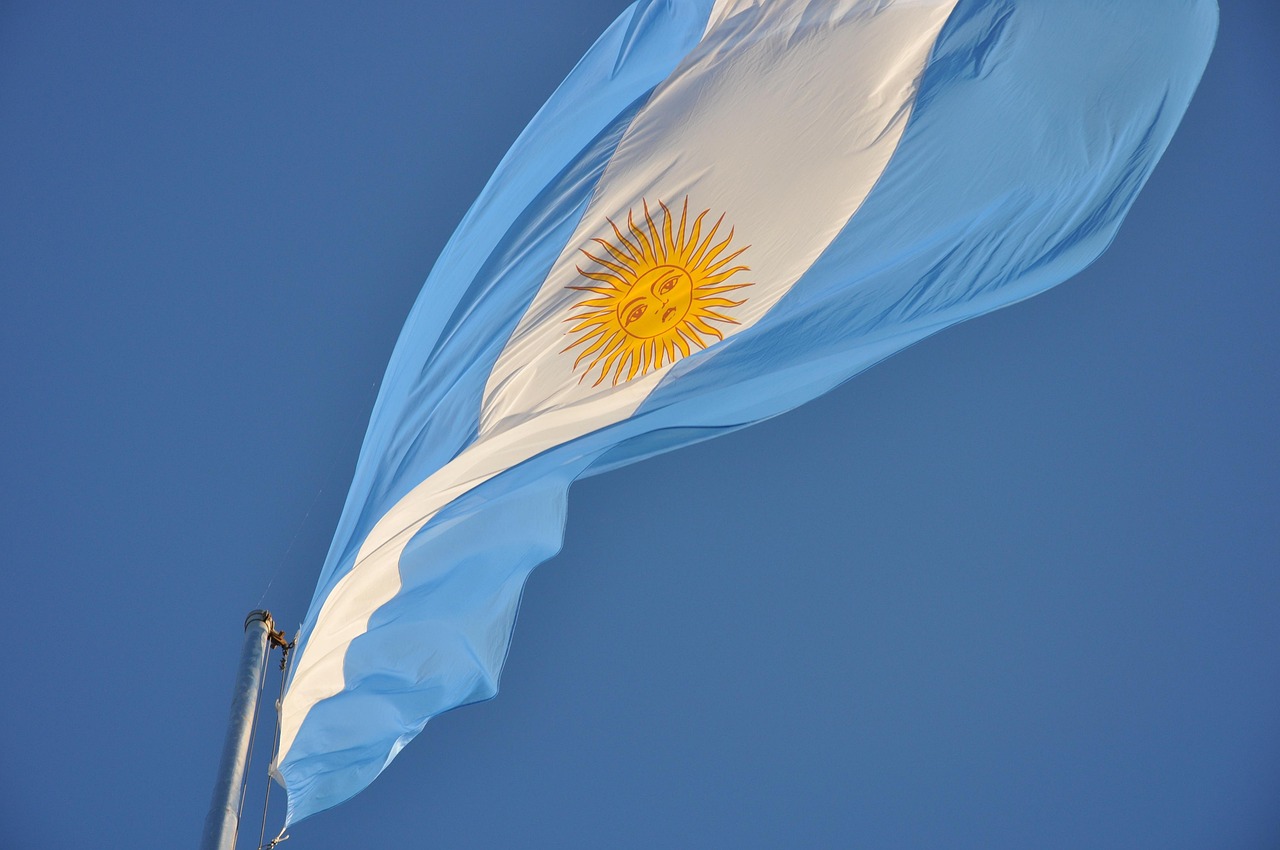
Bandera argentina ondeando al vuelta con cielo azul celeste y nubes blancas, niños de primaria en formación mirando la bandera durante ceremonia escolar al aire libre, ambiente patriótico y solemne
On June 20, 2026, Argentines across the country commemorated Flag Day (Día de la Bandera), marking the 206th anniversary of Manuel Belgrano's death. The creator of Argentina's national flag is honored each year through a beautiful tradition: thousands of fourth-grade students participate in the Pledge of Allegiance to the Flag (Promesa de Lealtad a la Bandera), a rite of passage for every Argentine child.
For international readers unfamiliar with this tradition, the pledge ceremony is a deeply emotional moment in Argentine culture. Children around 9-10 years old formally promise loyalty to the flag, similar to how other nations honor their symbols, but with a uniquely Argentine character that connects generations through shared civic values.
In this beloved coastal city (known as "La Feliz" or "The Happy One"), Mayor Agustín Neme led the official ceremony at the Polideportivo Islas Malvinas sports complex. The venue's name honors the Falkland Islands, reflecting Argentina's continued claim over the territory—a topic that remains central to Argentine national identity. Hundreds of students, teachers, and families gathered as the mayor emphasized respecting national symbols and avoiding verbal violence, linking historical tradition with contemporary values.
This northern province, known for its stunning colonial architecture and rich indigenous heritage, stood out for its massive participation: 674 students gathered at the historic Plaza 9 de Julio, while 320 students participated at the Casona de Castañares, a heritage building from the colonial era. Additionally, 260 Argentine Army soldiers took their oath at the Campo Histórico de la Cruz, adding institutional gravitas to the commemoration.
In this Cuyo-region province, more than 200 students participated in the ceremony at Toro Negro, with educational and municipal authorities present. The day focused strongly on civic formation for the youngest generation.
Mayor Damián Bernarte led the ceremony at Escuela Hipólito Bouchard (named after another Argentine naval hero). His speech highlighted Belgrano's advocacy for public education and gender equality, connecting the historical figure's values with modern social struggles—an approach that resonates with contemporary Argentine society.
Manuel Belgrano (1770-1820) was one of Argentina's founding fathers—a lawyer, economist, journalist, and military leader who played a crucial role in Argentina's independence from Spain. He created the Argentine flag on February 27, 1812, while stationed near the Paraná River in what is now the city of Rosario.
The flag's design is rich with symbolism: sky blue and white colors represent the Bourbon dynasty's colors (a nod to the independence movement's initial goals) and later came to symbolize the clear skies and white clouds of Argentina. The golden sun (el sol) in the center, known as the "Sun of May," commemorates the May Revolution of 1810 that began Argentina's path to independence.
Belgrano died on June 20, 1820, the same day as another independence hero, General Martín Miguel de Güemes—leading to the popular saying that Argentina's patriots are "united even in death."
Unlike countries where flag ceremonies might be occasional, in Argentina this is a mandatory and universal rite for fourth-graders. It creates a shared national memory that connects all Argentines regardless of their province, social class, or background. For visitors to Argentina, seeing these ceremonies is witnessing a genuine expression of Argentine identity.
| Location | Venue | Participants |
|---|---|---|
| Salta (Plaza 9 de Julio) | Civic center plaza | 674 students |
| Salta (Casona de Castañares) | Historic colonial building | 320 students |
| San Luis (Toro Negro) | Complex | 200+ students |
| Salta (Campo Histórico de la Cruz) | Military installation | 260 soldiers |
Note: These figures represent only a portion of nationwide participation, as ceremonies took place in every province.
The 2026 Flag Day ceremonies took on special significance, with messages emphasizing national belonging and the importance of passing civic values to younger generations. For tourists and expatriates in Argentina, these ceremonies offer a window into the Argentine soul—a blend of historical reverence and hope for the future that defines this passionate South American nation.

Alfredo S. Quiroga
