


25/06/2026 21:25 - Internacionales
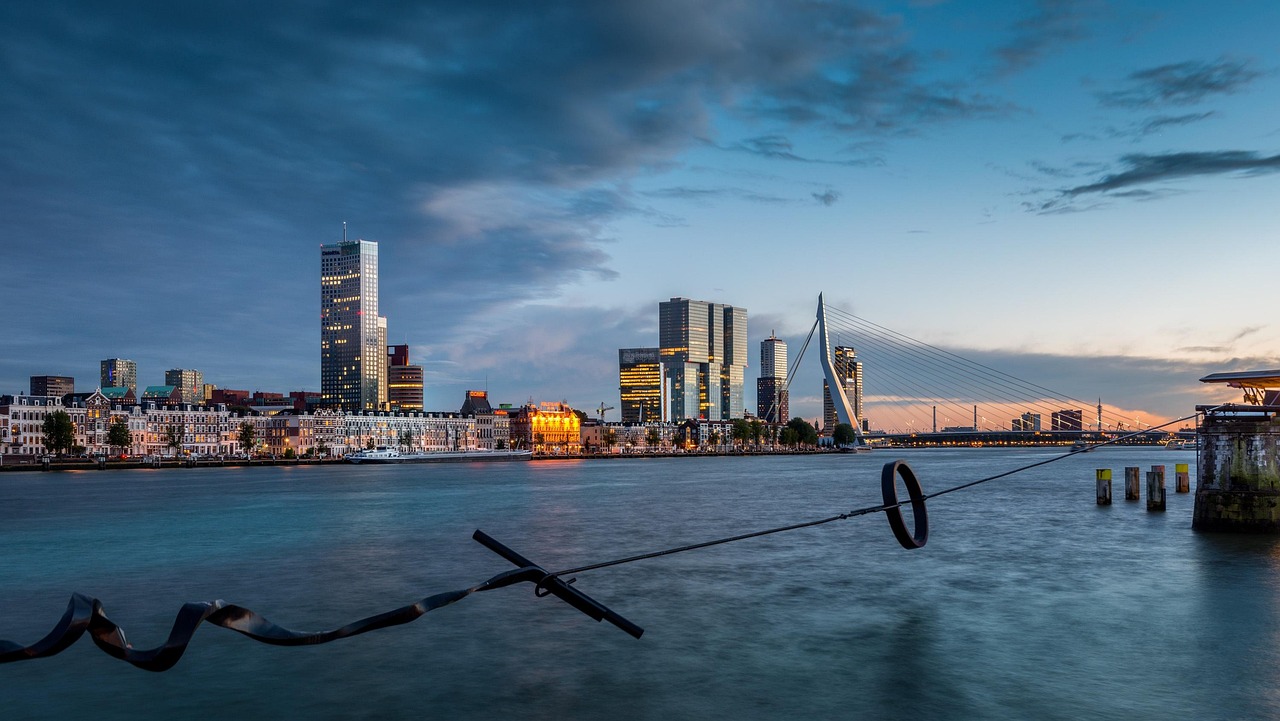
On June 21, Dutch Prime Minister Rob Jetten offered a formal apology for the mistreatment of thousands of Moluccan soldiers who served in the Dutch colonial army during Indonesia's struggle for independence. The ceremony took place during the inauguration of a national monument at the port of Rotterdam, the exact location where the last ship carrying this community arrived in 1951.
Moluccans (also known as Ambonese) are an ethnic group from the Maluku Islands in eastern Indonesia. When Indonesia gained independence from Dutch colonial rule in 1949, approximately 12,500 people — soldiers of the Royal Netherlands East Indies Army (KNIL) and their families — were transported to the Netherlands in 1951.
Context for international readers: The KNIL (Koninklijk Nederlands-Indisch Leger) was the colonial army maintained by the Netherlands in what is now Indonesia. Moluccan soldiers remained loyal to the Dutch Crown during the independence conflict.
The Moluccan community was told their stay would be a temporary evacuation of about six months, while they waited to form their own Moluccan Republic in the Indonesian archipelago. That republic never materialized, and many never unpacked their suitcases.
Upon arrival, soldiers were involuntarily discharged, prohibited from working or voting, and housed in former sites like Westerbork — ironically, a former Nazi transit camp used during World War II to deport Dutch Jews to concentration camps.
"For their heartless and dishonorable discharge as soldiers, for their inadequate reception and housing, for being ignored and abandoned, for the unfulfilled longing to return home, for the pain and suffering in so many Moluccan families... for this, I offer apologies today on behalf of the Dutch government."
Jetten emphasized that a future parliamentary investigation with community participation — which now includes 70,000 descendants — is essential for moving forward.
Arrival of 12,500 Moluccans in the Netherlands
Moluccan activism: hostage crises and train hijackings
First official agreement with Dutch government
The monument, financed through crowdfunding, was created by artists Jair Pattipeilohy and Maurice den Boer. It represents the bow of a traditional Moluccan ship. The project took 10 years of struggle, according to Yordi Tahamata, president of the monument foundation.
"I stand here as the grandson of my grandparents... part of a generation that arrived in the Netherlands under military orders and built a life in a foreign land, with no certainty about a future none of them had foreseen," Tahamata declared.
Eduard Latuheri, age 98, one of the few surviving soldiers, was invited to bless the monument. His grandson, Dennis van Peterson, expressed mixed emotions: "For my grandfather, it's the right thing, but the first generation is no longer with us. It's too late."
The apologies arrive after decades of demands from a community that suffered from the broken promise of being helped to return to their homeland. While some critics note that the words came too late for many, official recognition marks a historic moment for the Moluccan community in the Netherlands and represents a meaningful step toward healing wounds from a complex colonial past.
Rotterdam's Mayor Carola Schouten acknowledged: "They were treated cold-heartedly, their loyalty came at a high price, and frequently it was silent suffering."

Alfredo S. Quiroga
